Howard Lutnick’s Plan to Evict Pierre Residents Collapses After Buyer Misses Deadline
A $2 billion sale of the Pierre hotel backed by Commerce Secretary Howard Lutnick fell apart after the buyer missed a $100 million deposit deadline.
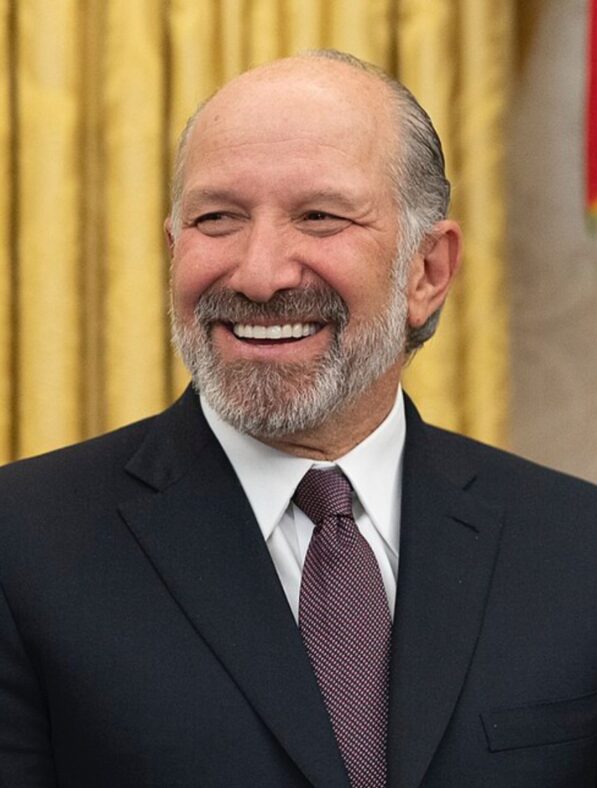
The White House/Wikimedia Commons
Howard Lutnick, President Donald Trump’s commerce secretary, spearheaded a controversial $2 billion sale of the Pierre, a renowned Manhattan hotel and co-op near Central Park, but the deal collapsed Tuesday after the buyer, Saudi investor Motasem Khashoggi, failed to meet a $100 million deposit deadline.
Failed Sale and Financial Stakes
The proposed transaction would have led to a comprehensive renovation of the Pierre building, forcing all residents to sell their units and move out. Lutnick, who owns the building’s three-floor penthouse, stood to gain approximately $60 million from his unit’s sale. Additionally, Newmark Group, the real estate firm Lutnick formerly led and where two of his sons are involved, was set to earn a $30 million advisory fee. The collapse of the deal ended these substantial financial prospects for Lutnick and his affiliated entities.
Controversial Deal and Insider Connections
According to chat records reviewed by The New York Times, Lutnick played a pivotal role in finding Khashoggi and shaping his bid for the Pierre. During negotiations, Lutnick agreed to provide Khashoggi’s son with an internship at a brokerage associated with Cantor Fitzgerald, the investment firm Lutnick once led. After his appointment to President Trump’s Cabinet in mid-December 2024, Lutnick switched their WhatsApp communications to disappearing messages, adding a layer of secrecy to their discussions.
Resident Opposition and Public Backlash
The overhaul plan faced fierce resistance from longtime residents, particularly elderly owners who wished to remain in the building during their remaining years. Notable residents such as singer Art Garfunkel and designer Tory Burch publicly opposed the eviction plan. The jobs of over 400 employees at the Pierre were also threatened by the proposed sale and renovation.
Tina Beriro, an 86-year-old resident who has lived at the Pierre for more than 20 years, was among the most vocal critics. She credited a coalition of “a group of old lady widows and divorcees” for the deal’s collapse, saying, “I am relieved. Look what we did!” at the outcome.
Conflict erupted during a July meeting where representatives of the buyer presented the renovation plan. After former Disney chief Michael Eisner expressed support for the sale, Burch responded sharply, “If you’re not happy here, leave.” Lutnick declined to comment through a spokesman when approached by The Times.
Impact on Community and Future Uncertainty
The failed sale preserved the status quo for the Pierre’s residents and employees, at least for now. The building remains a symbol of historic New York City luxury living, with its residents united in opposition to forced eviction. The controversy underscored tensions between real estate development ambitions and the desires of longtime tenants to maintain their homes.
With the deal dead, the future of the Pierre remains uncertain. The outcome marks a rare defeat for a plan driven by a Cabinet official and highlights the power of community resistance amidst high-stakes real estate transactions.