ICE to Launch Major Operation Targeting Haitians Losing TPS After Supreme Court Ruling
ICE plans a sweeping operation this week to arrest Haitian nationals losing TPS following a Supreme Court ruling.
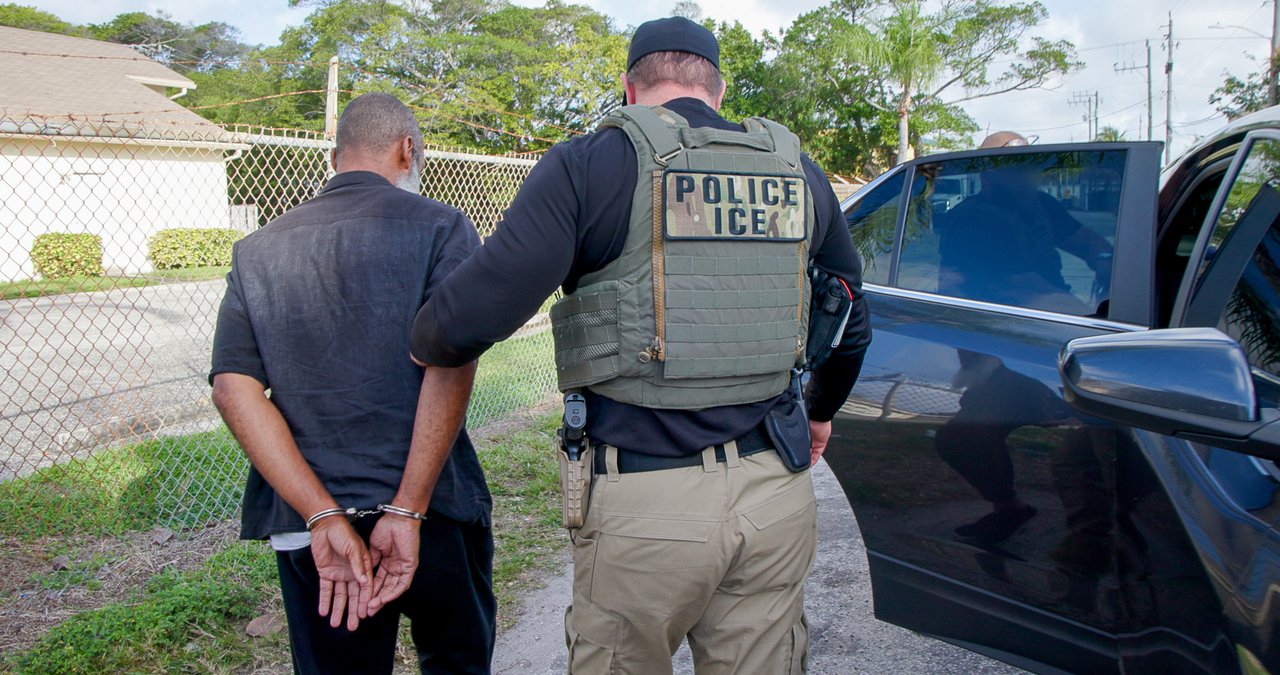
usicegov/Wikimedia Commons
The U.S. Immigration and Customs Enforcement (ICE) agency is set to launch a significant enforcement operation this week targeting Haitian nationals whose Temporary Protected Status (TPS) is ending after a recent Supreme Court decision. This move follows a ruling that cleared the way for the government to terminate TPS protections for over 300,000 Haitians, many of whom have lived in the U.S. for years under this humanitarian designation.
Supreme Court Clears Path to End TPS for Haitians
On Monday, the Supreme Court transmitted its certified judgment to lower courts, effectively reversing prior rulings that had delayed the termination of TPS for Haitians and Syrians. The court’s decision supports the Trump administration’s stance that TPS is inherently temporary and was never intended to provide a pathway to permanent residency. This ruling has paved the way for federal agencies to proceed with ending TPS for Haitian nationals, many of whom have resided legally in the U.S. since 2010.
ICE’s Expanded Enforcement Operation
According to multiple federal sources, ICE plans to intensify efforts to locate and detain Haitian nationals whose TPS protections are expiring. The operation is expected to begin immediately, with particular focus on regions with large Haitian communities. Springfield, Ohio, which has become a central hub for Haitian migrants and was spotlighted during the 2024 presidential campaign, is among the primary targets for this enforcement push.
ICE leadership has been briefed on the operation, which aims to enforce the government’s decision to end TPS for Haitians, a move officials describe as necessary to uphold immigration laws and address what they call abuses of the system. Details on the scale and tactics of the operation remain limited, though officials emphasize that it will be coordinated and comprehensive.
Background on Temporary Protected Status for Haitians
Temporary Protected Status was first granted to Haitians following the devastating 2010 earthquake that severely impacted the country. TPS allows eligible foreign nationals from nations experiencing extraordinary conditions such as natural disasters or armed conflict to live and work legally in the U.S. on a temporary basis. Over the years, the Haitian TPS designation has been extended multiple times due to ongoing instability in Haiti.
However, the Trump administration has consistently argued that TPS should not become a de facto permanent legal status. Officials claim that continued extensions undermine the immigration system and do not reflect the program’s original humanitarian intent.
Reactions from Government and Community Leaders
Following the Supreme Court ruling, White House spokeswoman Abigail Jackson praised the decision as a “tremendous win” for the administration, reinforcing the message that TPS is meant to be temporary. Department of Homeland Security General Counsel James Percival echoed this view, calling the ruling a victory for the “rule of law and common sense.”
Meanwhile, community advocates and some local leaders have expressed concern about the impact of the enforcement operation on Haitian families and communities, warning of possible disruptions and humanitarian consequences. The focus on Springfield, Ohio, highlights the challenges smaller cities face in accommodating growing immigrant populations while managing federal enforcement actions.
As ICE moves forward with this enforcement operation, the coming weeks will be critical in determining how the affected Haitian nationals and their communities respond to the end of their TPS protections and the new legal realities they face.