Judge Rules Trump’s $10B IRS Lawsuit Was Staged; Sanctions Survive Appeal
A judge found President Trump’s $10 billion suit against his own government collusive, with sanctions upheld by an appeals court.
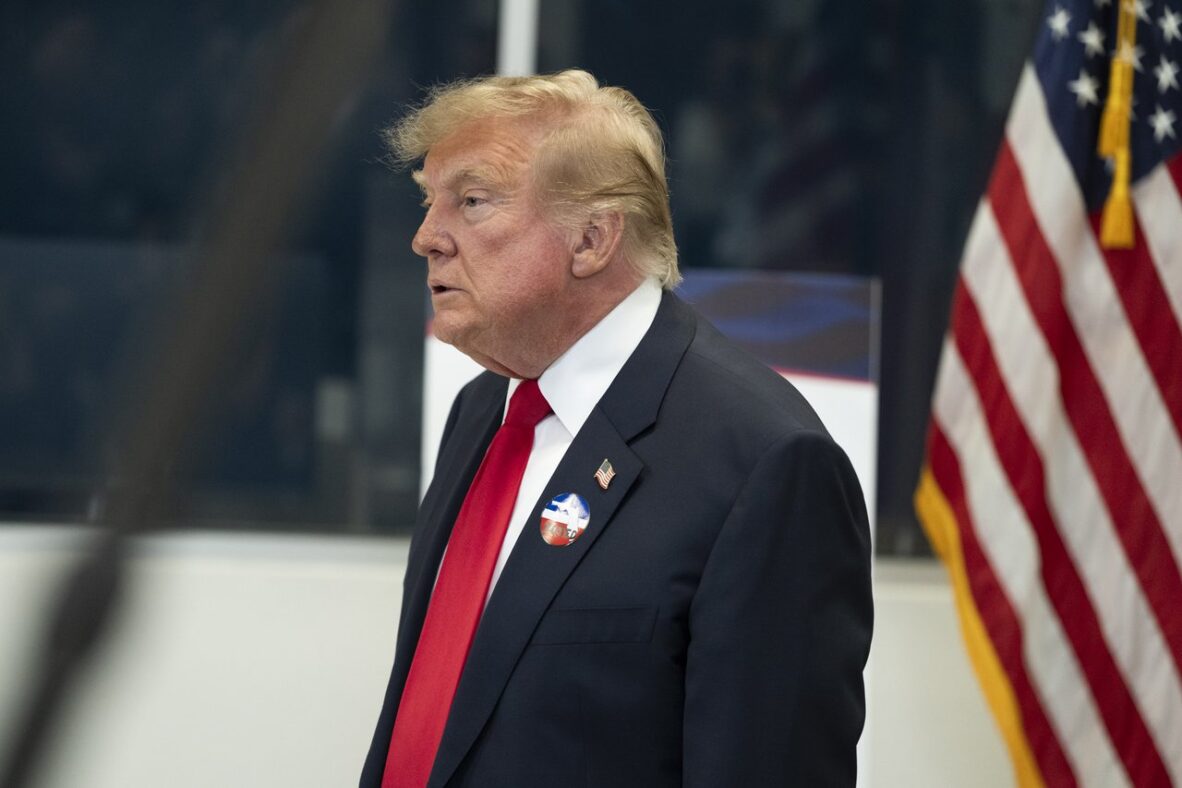
The White House/Wikimedia Commons
President Donald Trump’s $10 billion lawsuit against the Internal Revenue Service over leaked tax returns has been ruled collusive by a federal judge, with sanctions against two of his attorneys surviving a recent appeals court challenge. The case, which began in January and settled with the creation of a $1.776 billion fund, continues to raise questions about the legality and ethics of a president suing his own administration while benefiting personally and politically from the outcome.
How Trump’s Lawsuit Against His Own Government Unfolded
In January, President Trump, then back in office and wielding the power to dismiss officials connected to the tax return leak, filed a $10 billion damages claim against the IRS. The timing drew scrutiny from U.S. District Judge Kathleen Williams, who found it significant that the lawsuit was filed years after the leak and only after Trump regained control of the agencies involved. Although on paper Trump’s legal team and the Department of Justice appeared as adversaries, Williams concluded the dispute was staged, lacking genuine adversarial intent.
The Settlement Creating a $1.776 Billion Anti-Weaponization Fund
In late May, the lawsuit was dismissed following a settlement that led to the establishment of a $1.776 billion “anti-weaponization” fund designed to compensate individuals allegedly unfairly targeted by the previous administration. The agreement also barred the IRS from pursuing examinations of Trump and affiliated persons or companies indefinitely. Critics, including the Institute on Taxation and Economic Policy, condemned the arrangement as granting sweeping immunity from tax investigations. President Trump himself suggested the fund could benefit Jan. 6 Capitol rioters, stating, “They’ve been weaponized. Their lives have been destroyed, and they turned out to be right.”
Judge Williams’ Collusion Finding and Sanctions
In July, Judge Williams ruled the lawsuit was collusive, finding that the parties were not truly adversarial. She sanctioned two of Trump’s attorneys and restricted references to the arrangement as a “settlement” in certain settings. Williams emphasized the suspicious timing of the lawsuit and settlement, noting that Trump filed suit long after the leak, during a time when he had the authority to fire those involved, making a real dispute unlikely.
Appeals Court Decision Upholds Sanctions
On October 27, a three-judge panel from the 11th Circuit Court of Appeals declined to stay the sanctions while the appeal proceeds. The panel criticized Trump’s lawyers for failing to provide evidence justifying their litigation conduct or disproving collusion. The judges wrote, “The appellants did not submit or offer any evidence to explain their litigation conduct or demonstrate that the lawsuit and the settlement were not collusive,” and noted that Trump’s attorneys had not made “a strong showing” that Judge Williams erred in her findings.
Ongoing Legal Challenges and Broader Implications
The legal battle extends beyond sanctions. After retired federal judges petitioned for the case’s reopening, Judge Williams ordered Trump’s team to respond by June 12 to serious allegations of deception and fraud, questioning whether the case was dismissed to avoid judicial scrutiny and legitimize an unlawful settlement. Meanwhile, a separate federal judge temporarily barred the Justice Department from advancing work on the fund itself amid another challenge. This multi-front dispute highlights an unprecedented issue: a president acting as plaintiff, defendant, and beneficiary simultaneously, raising concerns about staged litigation and misuse of taxpayer funds.
This case tests fundamental legal principles regarding genuine adversity in lawsuits and the risk of settlements being used for political gain. Supporters argue the fund addresses legitimate grievances from those unfairly targeted by prior policies, while critics warn it allows taxpayer money to be directed toward political allies, with the IRS barred from auditing the president and his affiliates.
The controversy surrounding this lawsuit and settlement continues to unfold, with far-reaching implications for government accountability and the limits of presidential power.