Ilhan Omar Faces Political Attack Amid Unproven Age Allegations and Trump’s Hostility
Minnesota Rep. Ilhan Omar confronts efforts by President Trump’s administration to expel her over disputed age claims.
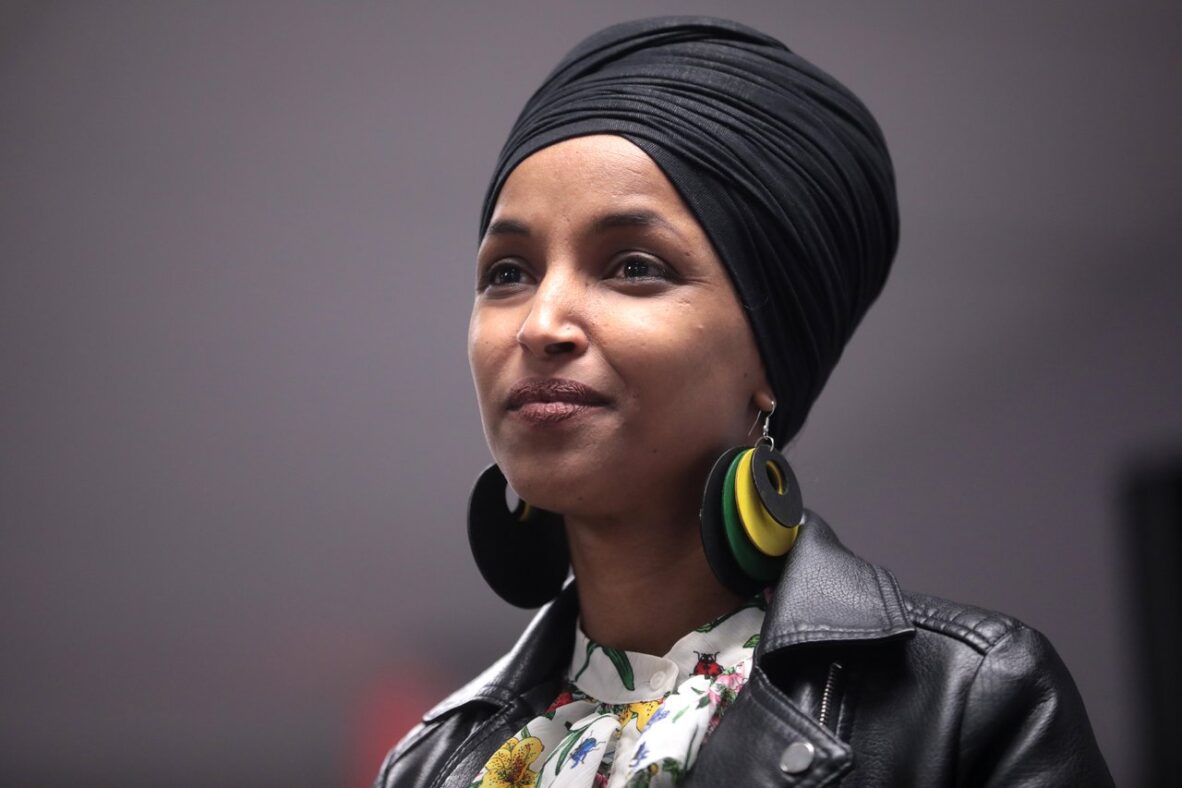
Gage Skidmore from Surprise, AZ, United States of America/Wikimedia Commons
On October 19, 2026, Minnesota Representative Ilhan Omar remains under intense political pressure as the Trump administration pushes to expel her from Congress and the United States, citing alleged discrepancies in her age at the time of citizenship application decades ago. This move, rooted in unproven claims, comes amid broader hostility from President Donald Trump toward Omar and the Somali community she represents.
From Refugee to Representative: Omar’s Journey
Ilhan Omar’s story is one of transformation and resilience. Her family fled Somalia’s civil war, seeking refuge in Kenya’s Dadaab camp, home to some 400,000 Somali refugees for 35 years. In 1995, the family was granted asylum in the United States. Omar was a teenager when she applied for citizenship, an age disputed by her political opponents but not conclusively proven to be inaccurate.
Despite these allegations, Omar has been repeatedly elected by her constituents since first winning office in 2018, including strong support from diverse communities in Minnesota. She won the 2024 Democratic primary handily and carried nearly 70 percent of the vote in St. Louis Park, a heavily Jewish enclave where opposition could have been expected to emerge.
Political Persecution and Racial Undertones
The efforts to remove Omar from office appear to extend beyond mere legal concerns about her age. President Trump and his allies have openly expressed hostility toward Omar, rooted in her identity as a Somali, Black Muslim woman who wears a hijab. Trump’s rhetoric includes frequent references to welfare fraud in the Minneapolis Somali community, which he uses to attack Omar despite no evidence linking her to such wrongdoing.
Trump’s words have often been incendiary. For example, on October 8, he posted on Truth Social: “The Somali community should not be allowed to get away with what they are doing. They view you as weak and stupid people. Fight back Minnesota, fight back! If you need, the Federal Government will come to your rescue.” This statement has been criticized for inciting racial animosity and suggesting federal intervention in ways that remain unclear.
Omar’s Criticism of Trump and Voter Support
Ilhan Omar is a vocal critic of President Trump and the MAGA movement, which has intensified the administration’s targeting of her. While she has made remarks that critics have labeled antisemitic, such comments have not disqualified her in the eyes of her voters, who have re-elected her three times since 2018.
The political attacks against Omar thus seem driven by both her outspoken opposition to Trump and her identity. Despite investigations, including one by the Biden Justice Department into Omar’s finances that stalled for lack of evidence, the administration’s campaign continues unabated.
Legacy of Somali Refugees and Ongoing Challenges
Omar’s narrative is intertwined with the broader history of Somalia, which has faced decades of turmoil since the assassination of President Abdurashid Ali Shermarke on October 15, 1969, and the subsequent rise of a socialist military junta. Years of civil war led to mass displacement, with hundreds of thousands of Somalis taking refuge in camps like Dadaab. Omar’s family’s journey from these hardships to elected office symbolizes both the promise and the challenges faced by immigrant communities in America.
Yet, despite this inspiring path, the current political climate has framed Omar as a target, with President Trump openly admitting his antagonism toward Somalis and using inflammatory language that many view as racist and divisive.
Ilhan Omar’s continued political survival rests on the support of her diverse constituency and the broader principles of democracy that allow voters, not political opponents, to decide who represents them. As these attacks persist, the stakes extend beyond one individual, touching on issues of race, identity, and the nature of American inclusion.