Trump’s UN Speech Met with Silence and Walkouts Amid Hostile Rhetoric
President Trump’s combative UN address drew silence and walkouts from Iranian and Cuban delegations over threats and harsh accusations.
U.S. Department of State/Wikimedia Commons
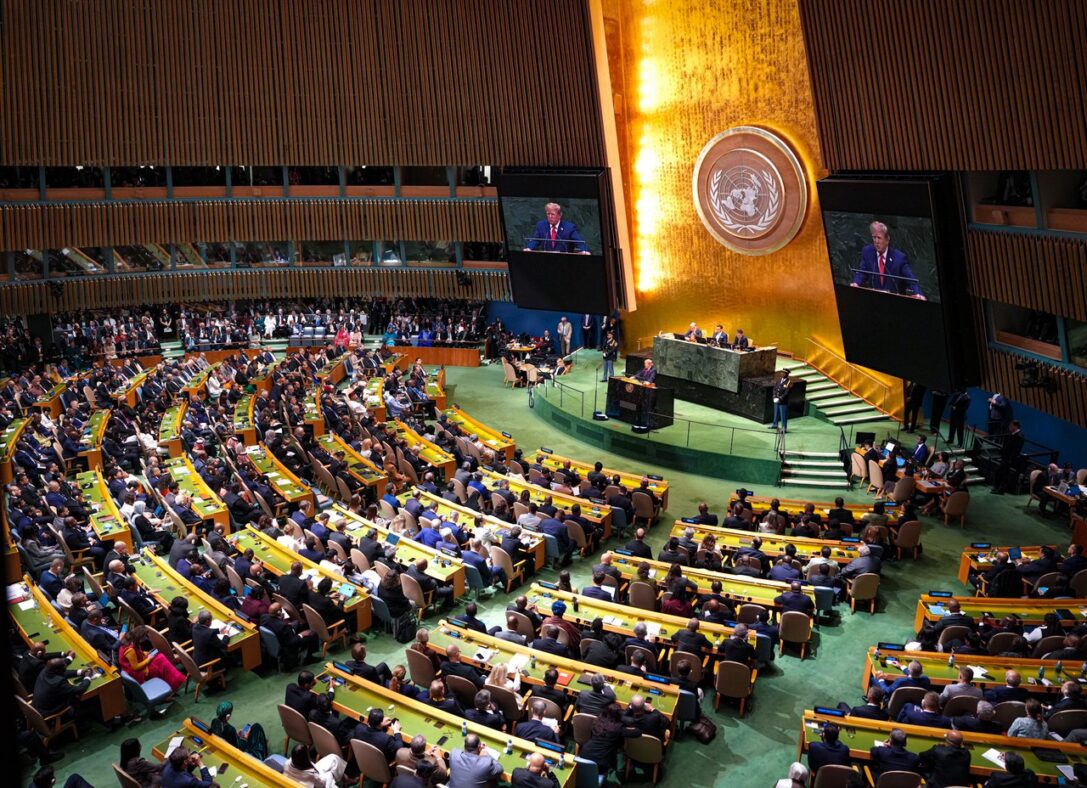
President Donald Trump’s address to the United Nations General Assembly on Tuesday in New York was marked by tense moments and sharp rebukes. His campaign-style speech, emphasizing American strength, was met with silence and protests including walkouts by the Iranian and Cuban delegations. The confrontational tone and explicit threats underscored the deteriorating diplomatic climate as global leaders gathered for the 2026 session.
Awkward Silence Greets Trump’s Opening Statements
As President Trump took the podium, he declared that “America is back and … stronger today than ever before,” expecting applause that never came. Instead, the hall was met with extended silence, an unusual response at the UN General Assembly where heads of state commonly receive polite diplomatic recognition. This reaction set the tone for a speech that was noticeably more combative than unifying.
Observers noted the stark contrast between Trump’s rhetoric and the typical diplomatic language expected at the UN. The lack of applause hinted at strained relationships and discomfort among many member states with the president’s aggressive posture.
Iran Walkout Over Annihilation Threats
The most dramatic moment came when President Trump turned his focus to Iran. He posed a chilling choice to the assembly: whether to swiftly “annihilate the Islamic Republic” or to pursue a deal. This stark ultimatum prompted the majority of the Iranian delegation to stand and exit the chamber, leaving only a low-level staff member behind. The walkout was a powerful symbolic rejection of the president’s speech and a rebuke of the hostile language.
Trump’s threats are the culmination of months of escalating tensions, as his administration has repeatedly warned of severe consequences should Iran continue its nuclear activities. However, the explicit mention of annihilation is a provocative departure from traditional diplomatic discourse, raising concerns about escalating conflict risks.
Cuban Delegation Walks Out After Failed State Accusation
Following the Iran segment, President Trump sharply criticized Cuba, labeling it an “absolutely failed state.” Reacting to this characterization, the Cuban delegation also chose to leave the assembly hall. The president’s comments ignored the long-standing U.S. embargo that has contributed to Cuba’s economic hardships, further alienating the Cuban representatives.
Trump’s rhetoric on Cuba reflects his administration’s hardline stance, which has doubled down on sanctions and diplomatic isolation. Yet at the UN, such unilateral condemnations have drawn widespread criticism from other nations advocating for engagement and dialogue.
Diplomatic Fallout and International Reactions
President Trump’s speech at the UN General Assembly is likely to deepen existing divides and complicate diplomatic efforts on key international issues. His approach, characterized by threats and dismissive rhetoric, contrasts sharply with calls from other world leaders for cooperation and multilateralism.
Experts warn that using the UN platform for aggressive posturing rather than constructive dialogue risks isolating the U.S. further on the world stage. The walkouts by Iran and Cuba delegations symbolize the limits of such an approach and highlight the challenges ahead in managing complex geopolitical tensions.
As the 2026 UN session continues, global attention will focus on how President Trump’s administration navigates the fallout from this speech and whether any diplomatic openings remain amid the heightened rhetoric and fractured international relations.