Iran Awaits U.S. Response to 7-Point Nuclear Proposal, Says Araghchi
Iranian official Araghchi confirms Tehran is waiting for a U.S. reply to its latest 7-point nuclear proposal amid ongoing diplomacy.
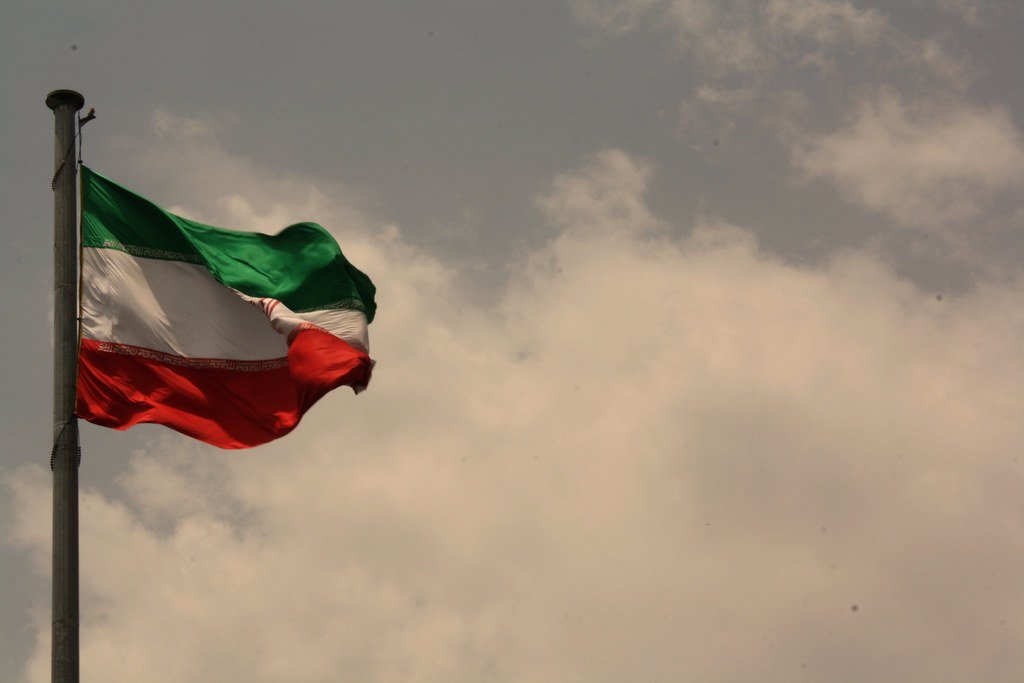
blondinrikard/Flickr
Iranian Deputy Foreign Minister Abbas Araghchi stated on September 29, 2026, that Tehran is currently awaiting a formal response from the United States regarding a seven-point proposal aimed at reviving stalled nuclear negotiations. The announcement comes amid heightened tensions and a critical diplomatic window as both nations weigh options for potential engagement after years of icy relations.
Details of Iran’s 7-Point Proposal
Araghchi revealed that Iran’s latest offer includes a comprehensive set of conditions intended to address key U.S. concerns about Tehran’s nuclear program. While the full text of the proposal has not been publicly released, sources close to the negotiations describe it as a pragmatic approach designed to restart constructive dialogue. The points reportedly cover:
- Limits on uranium enrichment levels and stockpiles.
- Verification and inspection measures by the International Atomic Energy Agency (IAEA).
- Phased lifting of U.S. sanctions tied to compliance milestones.
- Commitments on regional security and non-proliferation assurances.
- Mutual steps to normalize diplomatic relations.
- Mechanisms for dispute resolution to avoid future breakdowns.
- Timelines for gradual implementation with international oversight.
Iran’s proposal reflects an attempt to balance domestic political pressures with international diplomacy, signaling Tehran’s willingness to negotiate under terms that preserve its sovereign interests.
U.S. Response and Diplomatic Context
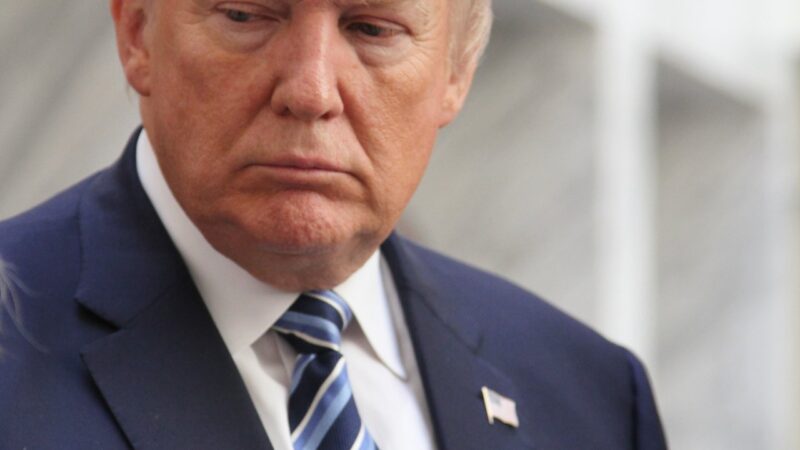
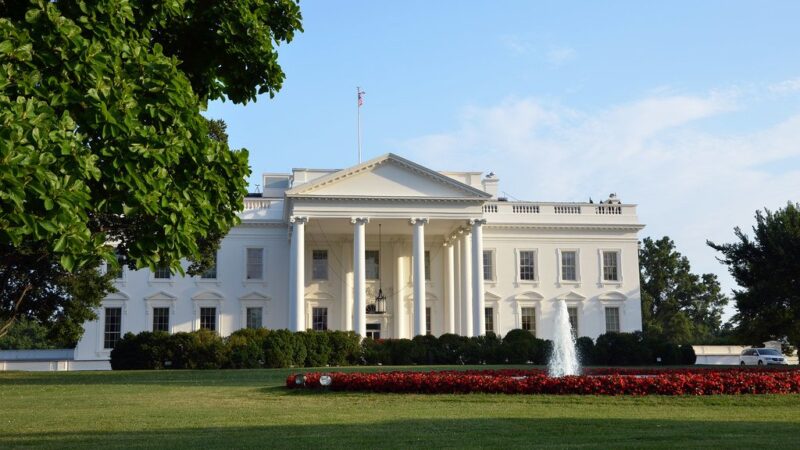
The Biden administration’s successor, President Donald Trump, who began his second term in January 2025, has maintained a firm stance on Iran, emphasizing maximum pressure through sanctions while leaving a door open for diplomacy under strict conditions. The White House has acknowledged receipt of Iran’s proposal but has not yet issued a formal response. U.S. officials are reportedly reviewing the terms carefully to assess whether the offer aligns with broader strategic goals and regional security priorities.
President Trump’s administration has prioritized curbing Iran’s nuclear ambitions while bolstering alliances with Gulf states and Israel. The current Republican-controlled Congress is also playing a role in shaping the administration’s approach, with many lawmakers advocating for a hardline posture against Tehran.
Regional and International Reactions
Iran’s neighbors and global powers are closely monitoring the situation. European Union foreign policy representatives have expressed cautious optimism about the proposal as a potential breakthrough after years of deadlock following the collapse of the 2015 Joint Comprehensive Plan of Action (JCPOA).
Meanwhile, countries like Saudi Arabia and Israel remain skeptical, warning that Tehran’s ambitions extend beyond peaceful nuclear development. The United Nations continues to call for restraint and diplomatic solutions to prevent escalation.
Experts note that the timing of the proposal coincides with increased U.S.-Iran tensions in the Persian Gulf and recent intelligence reports indicating continued clandestine nuclear activities by Iran.
Prospects for Future Negotiations
Analysts suggest that while the proposal signals Iran’s openness to dialogue, significant hurdles remain before a formal agreement can be reached. Trust deficits, verification challenges, and geopolitical rivalries complicate the path forward.
Key issues that will likely dominate future talks include:
- Ensuring robust and transparent IAEA inspections.
- Phased sanctions relief tied to verifiable compliance.
- Addressing Iran’s missile program and regional proxy conflicts.
- Establishing long-term security guarantees for all parties.
The coming weeks are expected to be critical as Washington evaluates its response, and Tehran gauges international receptiveness. Both sides face domestic pressures that may impact their flexibility in negotiations.
As the world watches closely, the outcome of this diplomatic effort could significantly influence Middle East stability and global non-proliferation efforts.
For now, Iran remains in a holding pattern, awaiting the United States’ next move in what could be a pivotal moment in nuclear diplomacy.