Iran-Backed Houthi Strikes Threaten Key Saudi Oil Facilities Amid Rising Global Energy Risks
Iran-backed Houthi missile and drone attacks on Saudi oil sites threaten two vital oil chokepoints, risking higher costs for US consumers.
Uploaded image
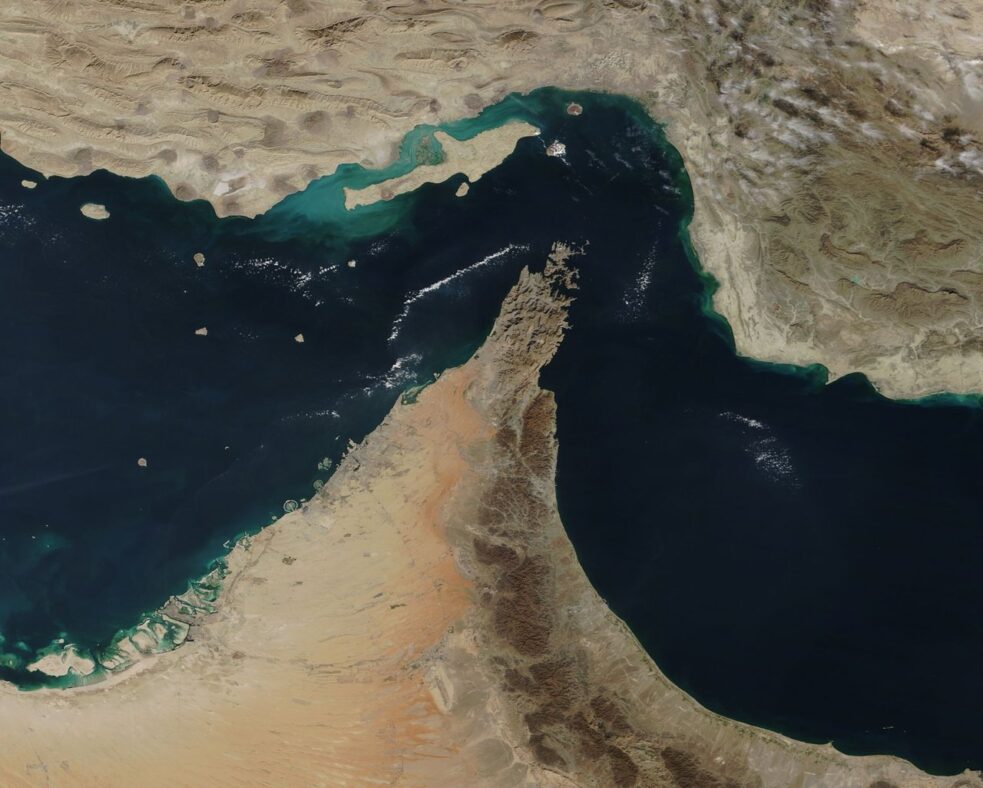
Iran-backed Houthi rebels launched a coordinated missile and drone assault against multiple energy facilities in southern Saudi Arabia on Tuesday, hitting critical infrastructure operated by Aramco, the world’s largest oil producer. The attacks come amid ongoing Middle East conflicts that have already severely restricted oil shipments through the Strait of Hormuz, and now threaten a second vital chokepoint at the Bab el-Mandeb Strait through the Red Sea. The new wave of strikes raises concerns about further disruptions to global oil supply and the potential for rising costs to U.S. consumers as the 2026 midterm elections approach.
Details of the Houthi Attacks and Impact on Saudi Energy Infrastructure
The Houthi forces claimed responsibility for the attacks using dozens of ballistic missiles and drones targeting the cities of Jazan, Najran, Abha, and Khamis Mushait in southern Saudi Arabia. The strikes damaged key energy installations, including an Aramco refinery in Jazan that processes approximately 400,000 barrels of crude oil daily. Saudi officials reported 73 people wounded and temporary halts to some operations due to fires and damage caused by the assaults.
Aramco produces around 10 million barrels per day, roughly 10% of the global oil demand, making the company’s facilities a strategic target. The attacks underscore the vulnerability of Saudi Arabia’s southern oil infrastructure amid ongoing regional hostilities and an intensified Houthi campaign aimed at disrupting energy exports.
Growing Threat to Dual Oil Chokepoints: Strait of Hormuz and Bab el-Mandeb
Since the outbreak of conflict in the region, oil shipments through the Strait of Hormuz have plummeted to approximately 4.9 million barrels per day in the second quarter of 2026, down sharply from the pre-conflict average of 21.6 million barrels. To circumvent this chokepoint, Saudi Arabia has rerouted more crude oil shipments through the Bab el-Mandeb Strait at the southern end of the Red Sea, where daily traffic now averages 8.1 million barrels.
This shift has exposed Bab el-Mandeb to increased risk, as the Houthi rebels have already threatened and attacked shipping in the area. The latest missile and drone strikes on Saudi energy infrastructure near this route heighten the possibility of simultaneous disruptions at both critical oil passages. Such a scenario could significantly tighten global oil supplies, pushing crude prices higher and escalating shipping and transportation costs on a global scale.
U.S. Response and President Trump’s Warning to Iran and Houthis
President Donald Trump has issued stern warnings to Iran and its Houthi proxies following earlier attacks on Saudi oil tankers in July 2026. Trump declared that the U.S. would hold Iran directly responsible for any further aggression from the Houthis, threatening “major military punishment” against both Tehran and the insurgents.
While Tuesday’s attacks focused on land-based energy infrastructure rather than maritime targets, the escalation tests the limits of U.S. tolerance and readiness to respond. The Trump administration has previously authorized strikes against Houthi weapons caches and infrastructure in Yemen to protect American forces and maintain freedom of navigation in international waters.
The White House continues to monitor the situation closely, maintaining advisories for commercial shipping and warning of ongoing threats posed by the Houthis in the Red Sea and Gulf regions.
Economic Implications for U.S. Consumers and Global Markets
Brent crude prices hovered near $99 per barrel following the latest attacks, reflecting market anxiety over potential supply disruptions. If the conflict escalates and further damages critical Saudi oil infrastructure or blocks shipping lanes, prices could spike higher, inflating fuel, shipping, and transportation costs worldwide.
For U.S. consumers, this could mean more expensive gasoline, increased costs for goods reliant on shipping, and broader inflationary pressures during an already politically sensitive period just ahead of the 2026 midterm elections.
Industry analysts emphasize the fragile state of global energy security, urging diplomatic efforts to de-escalate tensions while preparing for possible contingencies that could affect oil availability and pricing in coming months.
Outlook for Regional Stability and Energy Security
The ongoing conflict involving Iran-backed Houthis and Saudi Arabia’s military campaign in Yemen shows no sign of abating, with both sides continuing to exchange attacks and threats. The Houthis have openly threatened to intensify their strikes if Saudi air operations persist, indicating a protracted period of instability.
With two critical oil chokepoints—the Strait of Hormuz and Bab el-Mandeb—under threat, global energy security faces unprecedented challenges. The international community, including the United States under President Trump’s administration, remains vigilant in balancing military deterrence with diplomatic efforts to contain the crisis and protect vital energy supply chains.
The evolving situation demands close monitoring as any further escalation could have profound ripple effects on global markets and everyday consumers, underscoring the interconnectedness of geopolitics and energy economics in the 21st century.