Judge Orders Agriculture Secretary Brooke Rollins to Stop Sending Religious Emails
A judge ruled that Agriculture Secretary Brooke Rollins must cease sending religious emails from her official account, citing boundary issues.
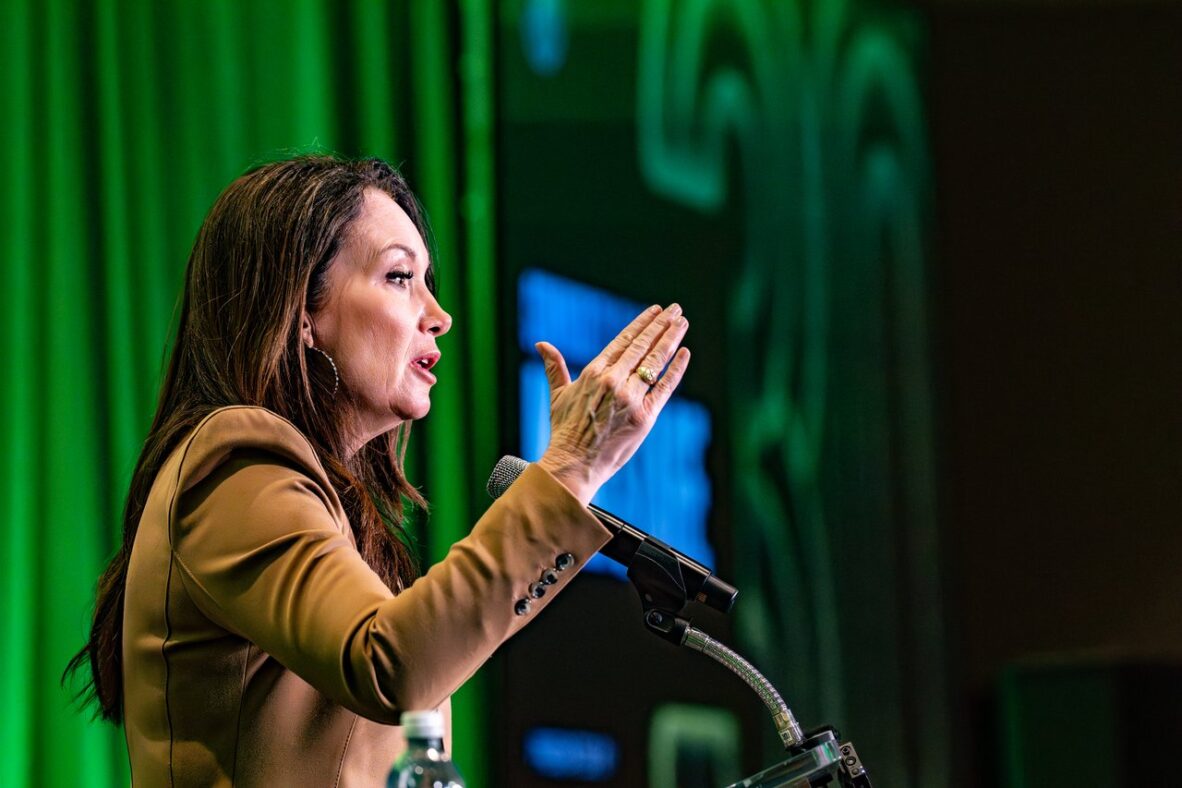
USDAgov/Wikimedia Commons
A US District Judge has ordered Agriculture Secretary Brooke Rollins to stop sending religious emails to employees from her official government email account, citing concerns about government-religion boundaries. The ruling came on November 19 in Washington amid a lawsuit from federal employees and religious freedom groups.
Details of the Court Order
US District Judge Trina Thompson issued the ruling on Thursday, specifying that Secretary Rollins “must recognize certain boundaries when communicating religious messages.” The judge noted that some of Rollins’ emails assumed recipients shared her Christian beliefs, which raised issues about inclusivity and the separation of church and state within the Department of Agriculture.
The court clarified it was not addressing what the Secretary may do in her personal capacity, focusing instead on the use of her official government communication channels.
Background and Controversy
Brooke Rollins, known for her devout Christian faith, frequently sent religious messages celebrating Christian holidays through her official email and social media accounts. This practice prompted complaints from some federal employees and religious freedom advocates, who argued that the messages pressured employees to conform to her beliefs or hide their own.
The complaint alleged that supervisors warned employees that objecting to these messages could lead to “trouble.” Judge Thompson highlighted the use of collective pronouns like “we,” “us,” and “our” in Rollins’ messages, which created an environment suggesting universal conformity to the Secretary’s beliefs within the USDA.
Reactions from the Department of Agriculture
The USDA responded to the ruling by stating it was “evaluating all options including a prompt appeal.” The department characterized the court’s decision as a “completely unprecedented attempt to muzzle a Cabinet Secretary.”
USDA officials had previously argued that Rollins’ emails were personal expressions regarding holiday celebrations and were not intended to coerce employees into religious conformity or participation.
Broader Context of Religion and Government
Civil rights advocates have expressed concern that officials in President Donald Trump’s administration have blurred the lines between government and religion, which does not reflect the diversity of the country. For example, Pentagon Chief Pete Hegseth openly integrates his Christian faith into his role, and President Trump has used Christian rhetoric to rally support for policies such as the US-Israeli war on Iran.
These practices, alongside campaign rhetoric targeting specific ethnic and religious groups, have heightened concerns among minorities. According to the Religious Landscape Study, approximately 62% of US adults identify as Christians, underscoring the importance of respecting religious diversity in government communications.
The ruling emphasizes the need for government officials to maintain clear boundaries when expressing personal beliefs in official capacities to foster an inclusive work environment for all employees.
As this legal process unfolds, the Department of Agriculture’s next steps, including a potential appeal, remain to be seen.