Justice Department Weighs Federal Charges Against ICE Agent in Minneapolis Shooting
The DOJ is reviewing potential federal charges against ICE agent Christian Castro over a Minneapolis shooting earlier this year.
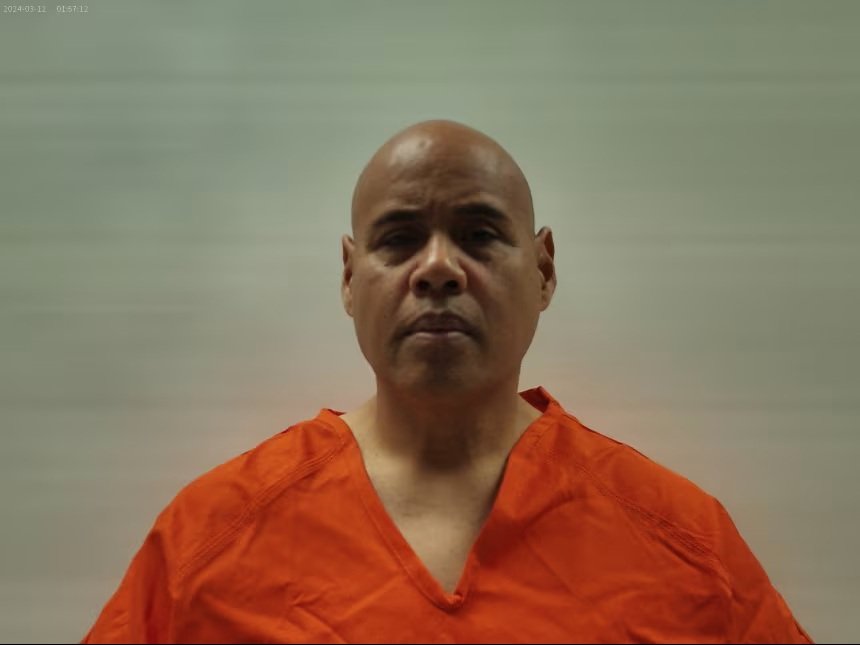
Cameron County Sheriff's Office
The U.S. Department of Justice is currently evaluating whether to bring federal charges against an Immigration and Customs Enforcement (ICE) officer involved in a shooting incident in Minneapolis earlier this year. Christian Castro, the ICE agent accused of shooting a Venezuelan immigrant, remains at the center of legal and political scrutiny as the situation unfolds in 2026.
Background of the Minneapolis Shooting Incident
On January 14, 2026, federal law enforcement agents, including ICE officers, were engaged in operations in Minneapolis that culminated in the shooting of Julio Sosa-Celis, a Venezuelan immigrant, who was wounded in the leg. The incident sparked protests in the city and raised questions about the conduct of federal agents during immigration enforcement actions. Sosa-Celis and another man initially faced federal charges following the shooting, but those charges were dropped weeks later amid revelations of false statements made by ICE agents.
Legal Proceedings and Extradition Dispute
Christian Castro was arrested in May after Minnesota state prosecutors charged him with second-degree assault and falsely reporting a crime related to the shooting. However, Texas Governor Greg Abbott has refused to extradite Castro to Minnesota, complicating efforts to bring him to trial in the state where the incident occurred. A federal judge in Texas is scheduled to hold a hearing on August 25, 2026, to consider Minnesota’s request for immediate extradition.
The dispute over Castro’s custody has intensified as Texas authorities may release him as early as August 26, 2026, placing pressure on both state and federal prosecutors to act swiftly to maintain custody and pursue charges.
Justice Department’s Deliberations on Federal Charges
The Department of Justice has confirmed it is reviewing whether to charge Castro at the federal level, but no final decision has been made. DOJ policy requires U.S. Attorneys’ Offices to collaborate with the Civil Rights Division when potential civil rights violations are involved. Emily Covington, the DOJ’s public affairs director, emphasized that charging decisions are made carefully and based strictly on the facts and applicable law.
Conversations between DOJ civil rights officials and Minnesota prosecutors are ongoing, forming part of a standard investigative process. The outcome remains uncertain, but federal charges would represent a significant step given the Trump administration’s previous resistance to prosecuting ICE officers for on-duty shootings.
Controversy Over ICE Conduct and Federal Investigation
Following the initial shooting, the Department of Homeland Security’s move to charge the injured men was reversed after the Justice Department disclosed that ICE agents had provided false statements under oath. ICE Director Todd Lyons announced that the agents involved were placed on administrative leave as the DOJ investigates potential misconduct and untruthful testimony.
This controversy has fueled public debate about federal immigration enforcement practices and accountability, especially as protests erupted in Minneapolis after the shooting. The unfolding legal developments in Castro’s case are closely watched by civil rights advocates and immigration reform supporters nationwide.
As the case progresses, North Carolina residents and officials will observe how federal authorities handle accountability in immigration enforcement, an issue that resonates beyond Minnesota’s borders. The DOJ’s forthcoming decisions regarding charges against Castro may set important precedents for the treatment of ICE agents implicated in use-of-force incidents.