Near-Total Lunar Eclipse to Light Up North Carolina Skies This Week
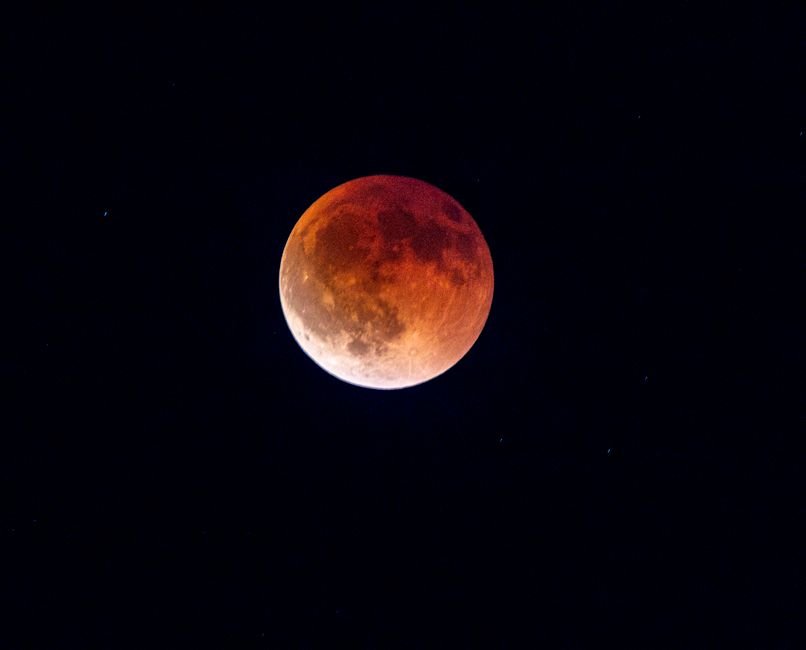
A near-total lunar eclipse will be visible across North Carolina late August 27 into early August 28, peaking just after midnight Friday.
Drinu Cutajar/Pexels
North Carolina residents will have a spectacular celestial show to watch this week as a near-total lunar eclipse graces the night sky on the night of Thursday, August 27 into early Friday, August 28. This rare event will see the moon pass deeply into Earth’s shadow, offering a striking view for stargazers across the state.
What to Expect During the Eclipse
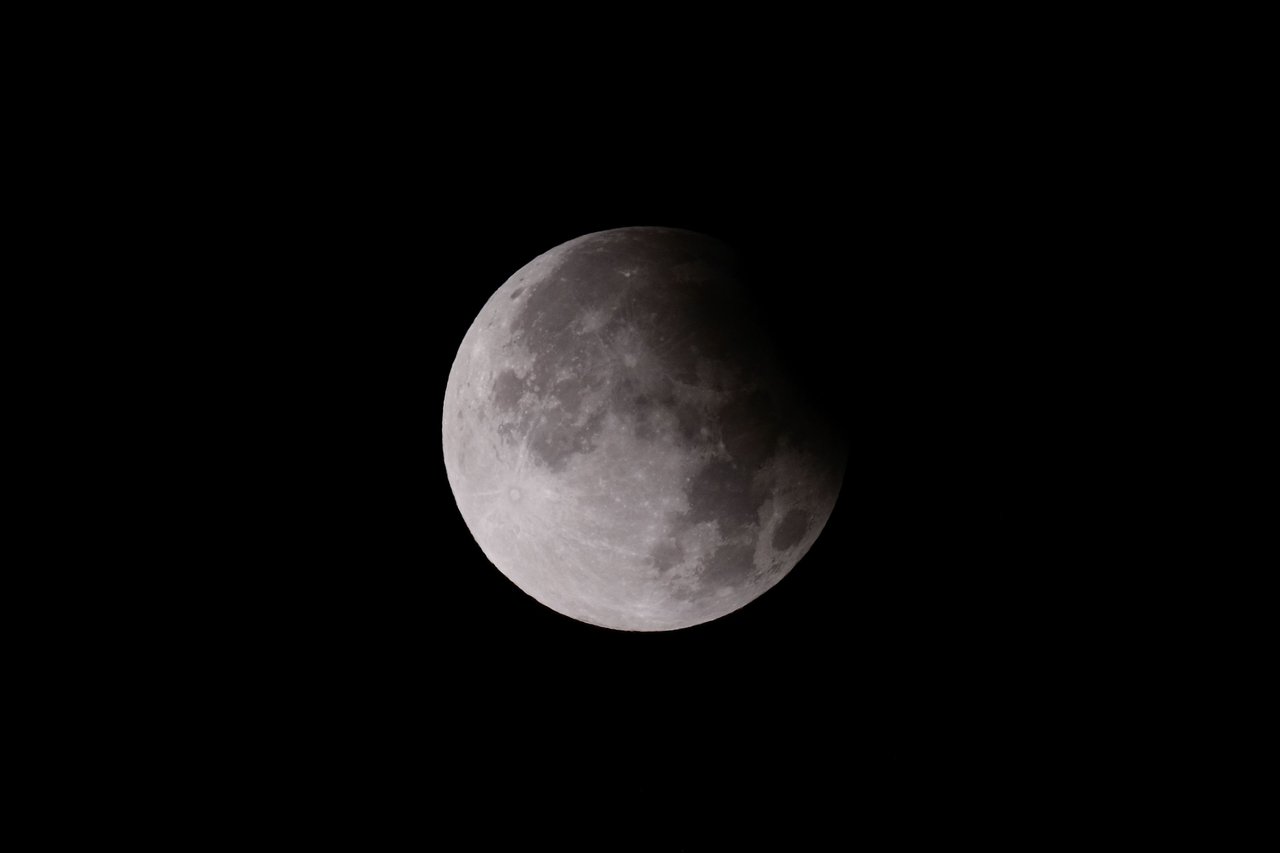
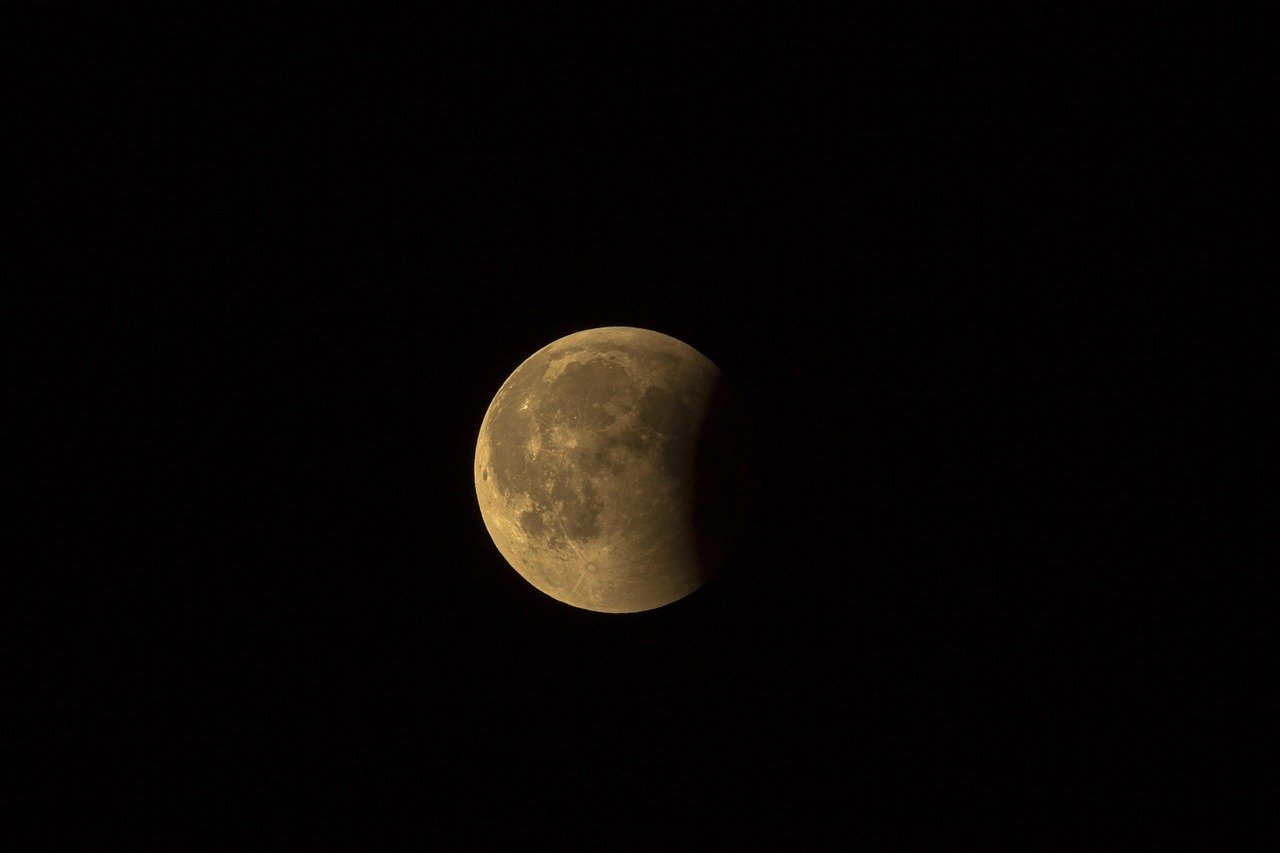
Unlike a total lunar eclipse where the moon is completely covered by Earth’s umbra, this event will be a very deep partial eclipse. According to Amy Sayle, Science Education Specialist at Morehead Planetarium and Science Center, about 96% of the moon’s surface will be immersed in the darkest part of Earth’s shadow at peak.
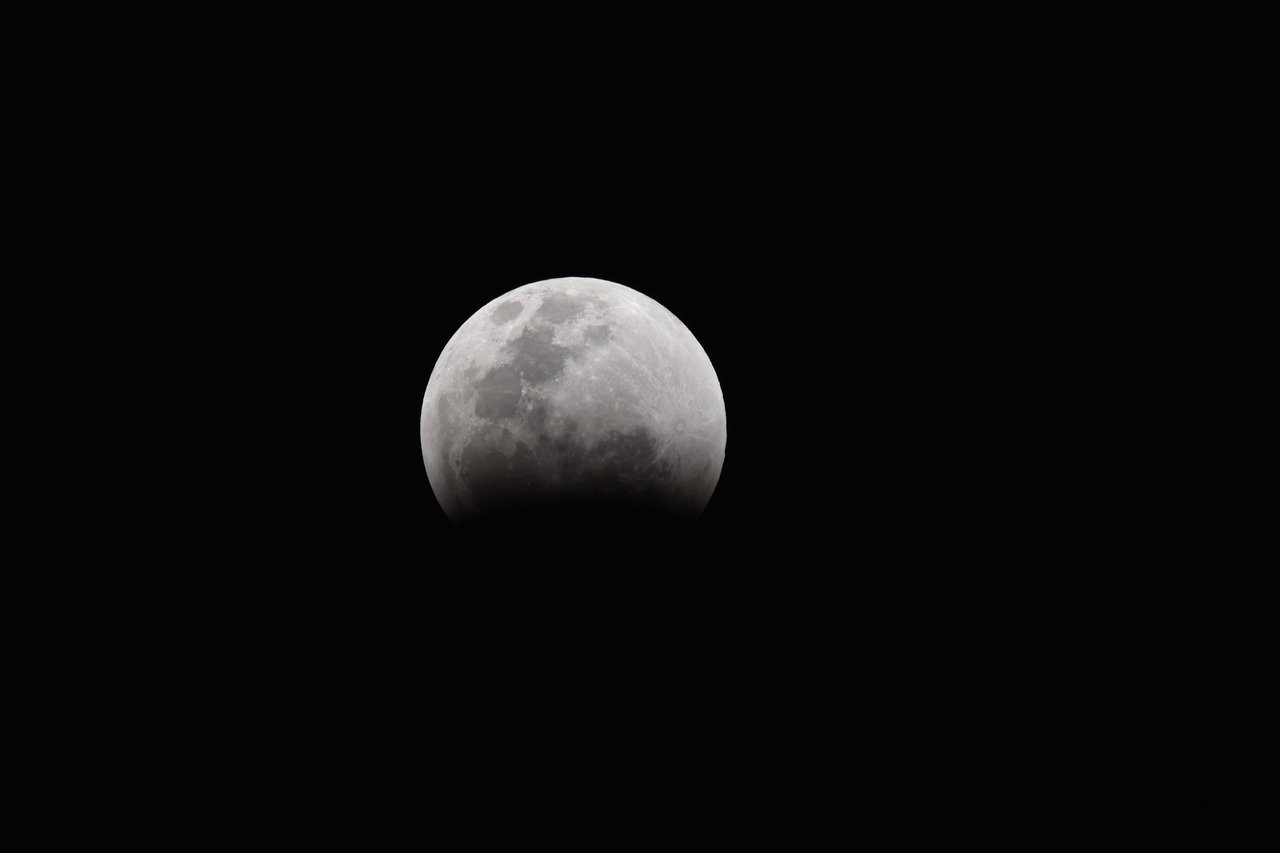
The eclipse begins with the penumbral phase at 9:23 p.m. on August 27, when Earth’s shadow subtly darkens the moon’s surface. The partial eclipse phase starts at 10:33 p.m., marked by a visible “bite” taken out of the lunar disk. The eclipse reaches its peak at 12:12 a.m. on August 28, with most of the moon cloaked in shadow, before the partial phase ends at 1:51 a.m. The final penumbral phase concludes at 3:01 a.m.
This near-total eclipse is notable because it will be the last significant lunar eclipse visible from North Carolina until 2029. The moon may appear with a reddish or coppery tint during the deepest shadow, a phenomenon caused by sunlight filtering through Earth’s atmosphere and scattering shorter wavelengths of light.
Viewing Tips and Where to Watch
One of the best aspects of a lunar eclipse is that it can be enjoyed safely with the naked eye—no special glasses or equipment are needed. For those in the Triangle area, Morehead Planetarium will host special events on the night of the eclipse. The ticketed “Carolina Skies: Lunar Eclipse” planetarium show will simulate the eclipse and provide a tour of North Carolina’s night sky from 9:30 to 10:30 p.m. Following the show, free skywatching will be available outdoors from 10:30 p.m. until 12:30 a.m., weather permitting.
Local bars in Glenwood South, including Hibernian Pub and Botanical Lounge, are organizing eclipse-themed gatherings with specialty drinks to encourage patrons to enjoy the event together.
Why Lunar Eclipses Look Red
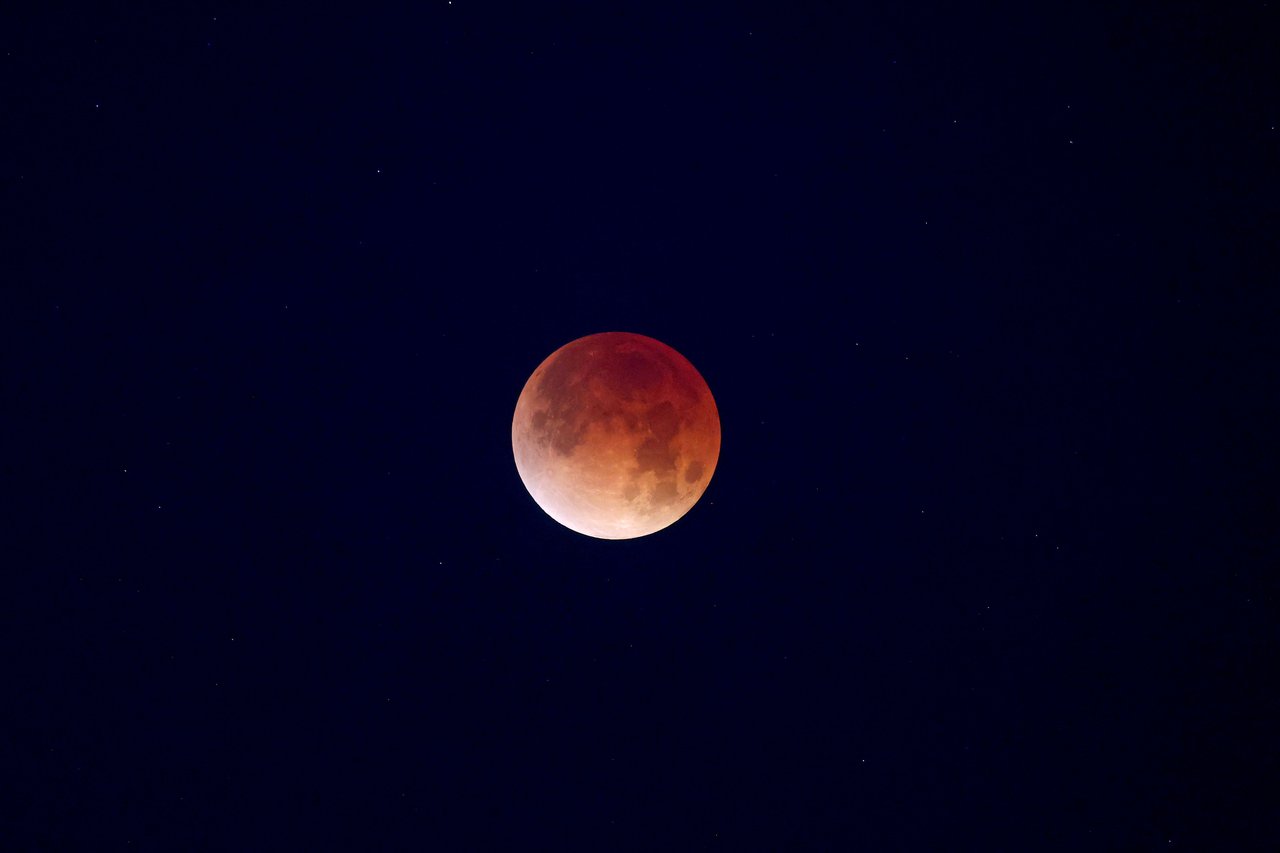
The reddish or orange hue often seen during lunar eclipses is caused by Earth’s atmosphere filtering sunlight. As Amy Sayle explains, Earth’s atmosphere scatters shorter wavelength colors like blue and violet, allowing longer wavelengths such as red and orange to pass through and cast a warm glow on the moon’s surface. This effect is sometimes poetically called a “blood moon.”
Observing the curved shadow Earth casts on the moon during the eclipse provides a simple but powerful demonstration that our planet is round, Sayle adds.
Upcoming Eclipses Visible from North Carolina
After this near-total event, North Carolina residents will have to wait for a few more eclipses, though they will be less dramatic. Two penumbral lunar eclipses—where the moon passes through the lighter outer shadow of Earth—will occur on February 20 and August 17, 2027. These are subtle and can be difficult to detect.
The next total lunar eclipse visible from the state will not happen until the night of June 25 into June 26, 2029. Additionally, a partial solar eclipse will be visible on January 26, 2028.
This week’s near-total lunar eclipse offers a rare and breathtaking opportunity for North Carolinians to connect with the cosmos, so be sure to look up late Thursday night into early Friday morning to catch the show.