Kennedy Center’s Finances Collapse After Trump Administration Takes Control
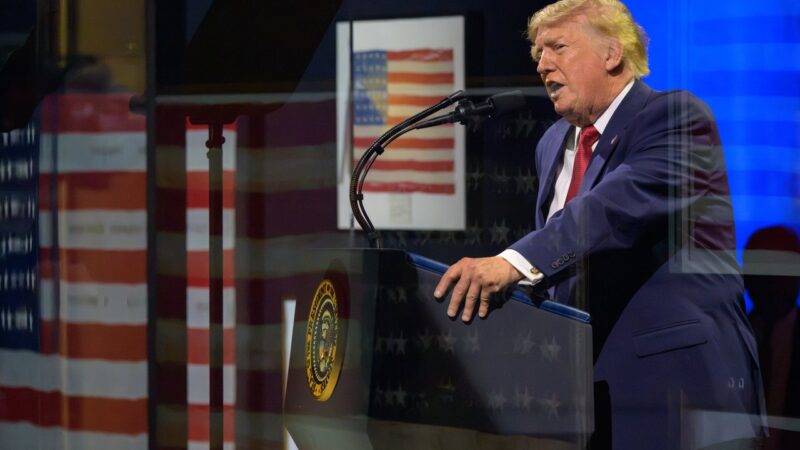
The Kennedy Center was financially stable before 2025, but its finances have sharply declined since President Trump’s administration took control.
Uploaded image
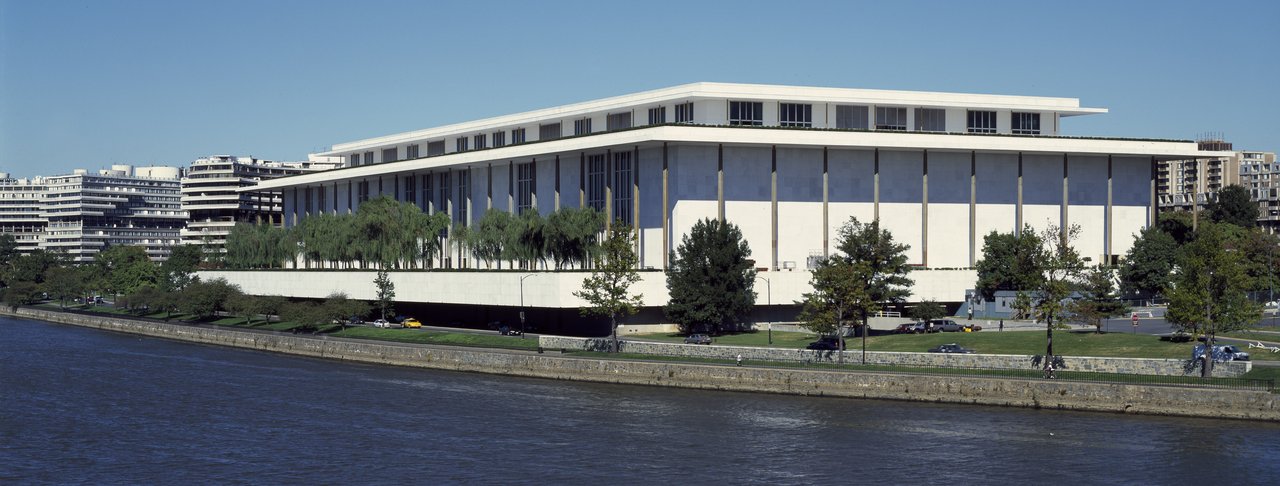
The Kennedy Center, a prestigious cultural institution once financially solvent, has faced a significant financial collapse since President Donald Trump’s administration assumed oversight in early 2025. This downturn has raised questions about management decisions and the future sustainability of the center’s programs and operations as of late 2026.
Financial Status Before Trump’s Administration
Prior to January 2025, the Kennedy Center maintained stable finances, supported largely by federal funding, private donations, and steady ticket sales. Annual reports from 2023 and 2024 showed a balanced budget and growing endowments. The center’s leadership attributed this stability to careful fiscal management and a diverse revenue stream, which helped it weather economic fluctuations.
Local arts advocates and government officials in North Carolina had praised the center’s ability to sustain operations without significant deficits. At that time, the Kennedy Center remained a cornerstone for cultural events both regionally and nationally.
Changes Following Trump Administration Oversight
With the inauguration of President Donald Trump’s second term in January 2025, the Kennedy Center experienced a shift in administrative oversight and federal funding priorities. Several budget cuts were implemented, and new management strategies were introduced that critics say lacked transparency and failed to prioritize the center’s fundamental mission.
According to internal documents obtained by the Mount Olive Chronicle, federal funding allocations to the Kennedy Center were reduced by approximately 25% during the 2025 fiscal year. This reduction coincided with cuts in grant programs that previously supported community outreach and educational initiatives run by the center.
Staff members who spoke on condition of anonymity described a challenging work environment marked by uncertainty, layoffs, and program cancellations. The financial strain has also affected maintenance and capital improvement projects, putting the center’s physical infrastructure at risk.
Community and Political Reactions
The financial collapse has drawn concern from community leaders and arts organizations throughout Wayne and Duplin counties. Local officials have voiced alarm over the center’s declining capacity to serve the public and maintain its role as a cultural hub.
Representative Mayra Johnson of North Carolina’s 7th congressional district called for congressional hearings on the Kennedy Center’s management under the current administration. “The arts are vital to our community’s identity and economy,” Johnson said. “We must ensure that the Kennedy Center is properly funded and managed to continue its important work.”
Meanwhile, supporters of President Trump argue that the funding cuts reflect broader fiscal responsibility measures taken across multiple federal agencies. They contend that the center must adapt to new economic realities and seek alternative revenue sources.
Looking Ahead: Sustainability and Recovery Efforts
As of September 2026, the Kennedy Center’s board of directors is reportedly exploring options to stabilize finances, including increased fundraising efforts and partnerships with private sponsors. However, experts warn that recovery will be difficult without restored federal support and clear strategic planning.
Arts economists suggest that the center’s survival depends on balancing cost-cutting measures with investment in programming that attracts audiences and donors. Failure to do so could lead to further cuts and diminished cultural offerings for the region.
The Kennedy Center’s financial crisis serves as a cautionary tale about the impact of federal policy changes on cultural institutions, highlighting the delicate balance between government support and operational independence.
While the future remains uncertain, stakeholders agree on the importance of preserving the Kennedy Center’s legacy and ensuring it continues to enrich the cultural landscape of North Carolina and the nation.