Trump Faces Near-Unanimous UN Rebuke as US Stands Isolated Globally
At the UN General Assembly, President Trump’s policies drew near-unanimous criticism, isolating the US on the global stage in 2026.
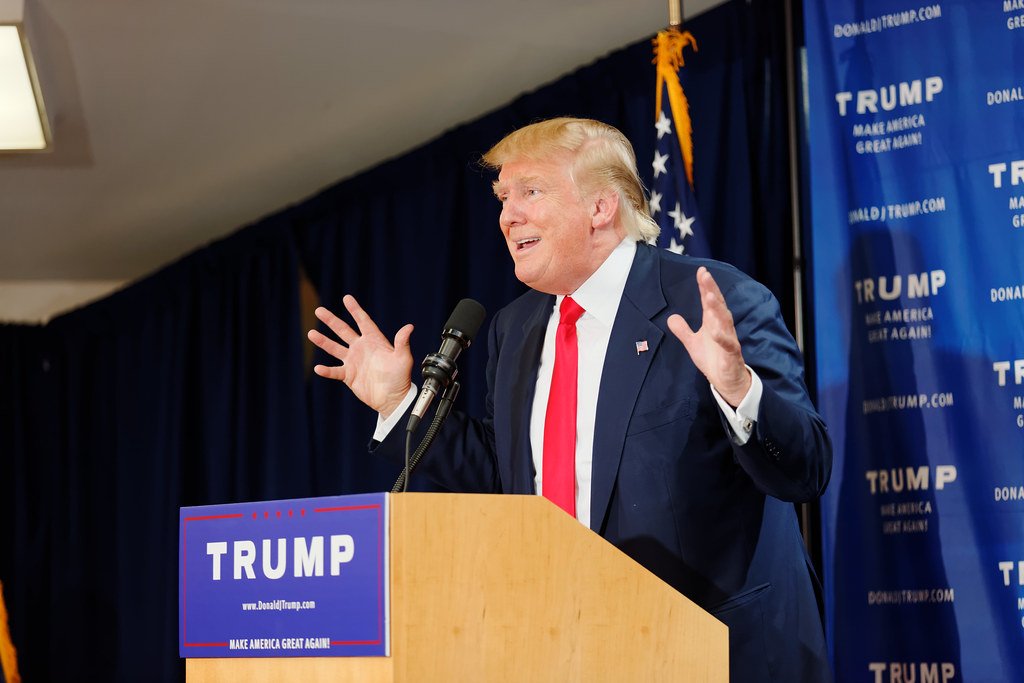
Michael Vadon/Flickr
The United States, under President Donald Trump’s administration, faced overwhelming criticism from nearly every member of the United Nations during the 2026 General Assembly this week. The near-unanimous rebuke highlights a growing international isolation for the US amid controversial policies and diplomatic stances that have sparked widespread condemnation from allies and adversaries alike.
UN General Assembly’s Strong Response to US Policies
During the 2026 session of the UN General Assembly held in New York City, President Trump’s policies were sharply criticized by the international community. Delegates from over 190 countries voiced concerns regarding the US’s approach to climate change, human rights, and international cooperation. The assembly saw one of the most unified rebukes in recent decades, with resolutions condemning various US actions passing with near unanimous support.
Many nations expressed frustration over the US withdrawal from critical global agreements and its unilateral decisions that have strained longstanding alliances. The rebuke underscored widespread dissatisfaction with Washington’s perceived disregard for multilateralism and the rules-based international order.
Key Issues Driving US Isolation
Several core issues have contributed to the United States’ growing isolation at the UN and beyond. These include:
- Climate Policy: President Trump’s administration has continued to resist international climate initiatives, rolling back domestic environmental regulations and refusing to commit to new global emission targets.
- Human Rights Concerns: Many countries criticized the US over its immigration policies, treatment of detainees, and perceived erosion of democratic norms.
- Trade and Economic Sanctions: Aggressive trade policies and sanction regimes have alienated traditional allies and complicated diplomatic relations.
- Military Posture: The US’s assertive military strategies, including troop deployments and arms sales, have fueled tensions in multiple regions.
These issues combined have left the US increasingly isolated within the UN framework and diminished its influence on the global stage.
Impact on Regional and Local Communities
The international fallout from US isolation at the UN has reached local levels here in North Carolina, including Wayne and Duplin counties. Experts warn that reduced global cooperation may impact economic sectors vital to the region, such as agriculture and manufacturing, which rely heavily on international trade agreements.
Local leaders have expressed concern that the ongoing diplomatic rifts could jeopardize federal funding for infrastructure and development projects that support rural communities. Additionally, the agricultural export market, a significant component of Duplin County’s economy, faces uncertainty amid potential trade retaliations and shifting tariffs.
White House Response and Future Outlook
The Trump administration defended its policies in response to the UN rebuke, emphasizing national sovereignty and prioritizing American interests. White House officials stated that the US will continue to act independently and reject international pressures that they believe undermine US prosperity and security.
President Trump reiterated his commitment to a “America First” agenda, signaling no immediate changes to the policies drawing international criticism. However, analysts predict that sustained isolation could force adjustments if economic or security consequences escalate.
As the world watches the evolving diplomatic landscape, the US stands at a crossroads where its future role in global governance and multilateral institutions remains uncertain. The near-unanimous UN rebuke in 2026 serves as a stark indicator of the challenges facing President Trump’s administration on the international stage.