MAGA Farm Owners Face Fallout as Deportation Policies Disrupt Workforce
MAGA-supporting farm owners confront labor shortages amid President Trump’s aggressive deportation enforcement, threatening agriculture supply chains.
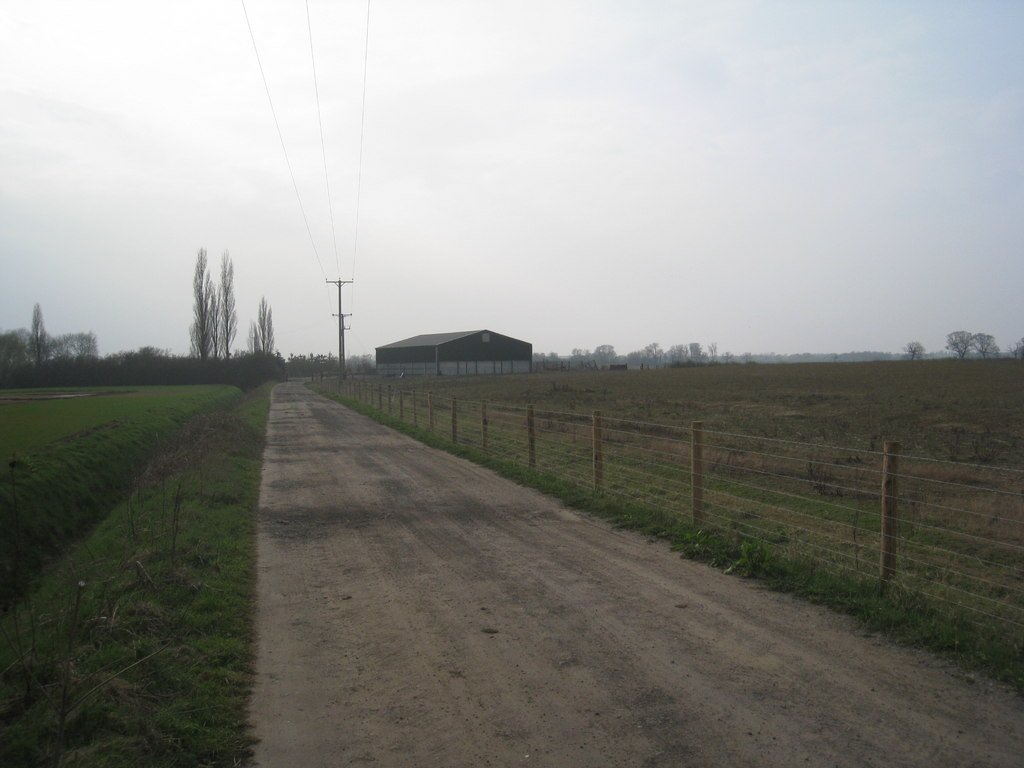
Jonathan Thacker/Wikimedia Commons
In rural farming communities across Nebraska and other red states, owners of large agricultural operations who supported President Donald Trump’s hardline immigration policies are now grappling with severe labor shortages triggered by intensified deportation efforts. As ICE teams crack down on undocumented farmworkers, many farms reliant on this workforce are facing operational disruptions that threaten production and profits in 2026.
Trump Administration’s Deportation Policies Hit Agricultural Backbone
Since President Trump’s second inauguration in January 2025, his administration has ramped up immigration enforcement, targeting undocumented workers across multiple sectors, including agriculture. Farms that once quietly depended on immigrant labor to fill critical roles are now caught in the crossfire. The Nebraska State Patrol’s partnership with ICE has led to mass detentions and deportations near large farming operations, including some owned by MAGA supporters.
This enforcement surge, praised by the White House as a crackdown on “criminal illegal aliens,” has had unintended consequences for the ag industry. Many farms, particularly large hog producers like Pillen Family Farms, have openly acknowledged using undocumented labor due to chronic shortages in the rural workforce. Now, with ICE raids intensifying, these farms face a dwindling labor pool.
Labor Shortages Disrupt Supply Chains and Farm Operations
Reports from Nebraska, Texas, Kansas, and Oklahoma reveal growing concerns among agricultural associations about the ripple effects of immigration enforcement on food supply chains. The Texas Cattle Feeders Association and Kansas Livestock Association have noted delays in shipping and processing livestock due to workforce gaps caused by deportations.
Farm owners in Wayne and Duplin counties in North Carolina, where agriculture remains a key economic driver, are watching these developments nervously. Many local farms that voted overwhelmingly for President Trump in 2024 now face a stark dilemma: the policies they supported threaten their ability to maintain a reliable workforce and keep production stable.
Political Irony Hits Home for MAGA Farm Owners
The irony is palpable as some MAGA-aligned farmers witness firsthand the fallout of policies championed by their preferred political leadership. The promise of strict immigration control now clashes with the practical needs of running a large-scale farm business. Economic realities are forcing a reckoning in communities that once prioritized cultural and political symbolism over operational sustainability.
Local labor experts and immigration advocates warn that unless the administration adjusts its approach, farms will face deeper crises, including increased costs, reduced output, and potential layoffs. This could further strain rural economies already vulnerable to global market fluctuations and climate impacts.
Calls for Policy Reconsideration Grow Louder
Some farm owners and industry groups are beginning to push for immigration reforms that balance enforcement with the critical labor needs of agriculture. They argue for guest worker programs and more flexible immigration policies that recognize the indispensable role of immigrants in sustaining America’s food supply.
However, with President Trump and his administration doubling down on immigration crackdowns as a key priority in 2026, the path to compromise appears uncertain. The political landscape remains sharply divided, leaving many farm owners caught between ideology and economic necessity.
As the harvest season progresses, the consequences of these policies become increasingly clear on farms across the heartland and in North Carolina. For MAGA farm owners, the cost of backing a president who seeks to deport their workforce is now more than theoretical—it is a daily operational challenge threatening their livelihoods and the wider agricultural economy.