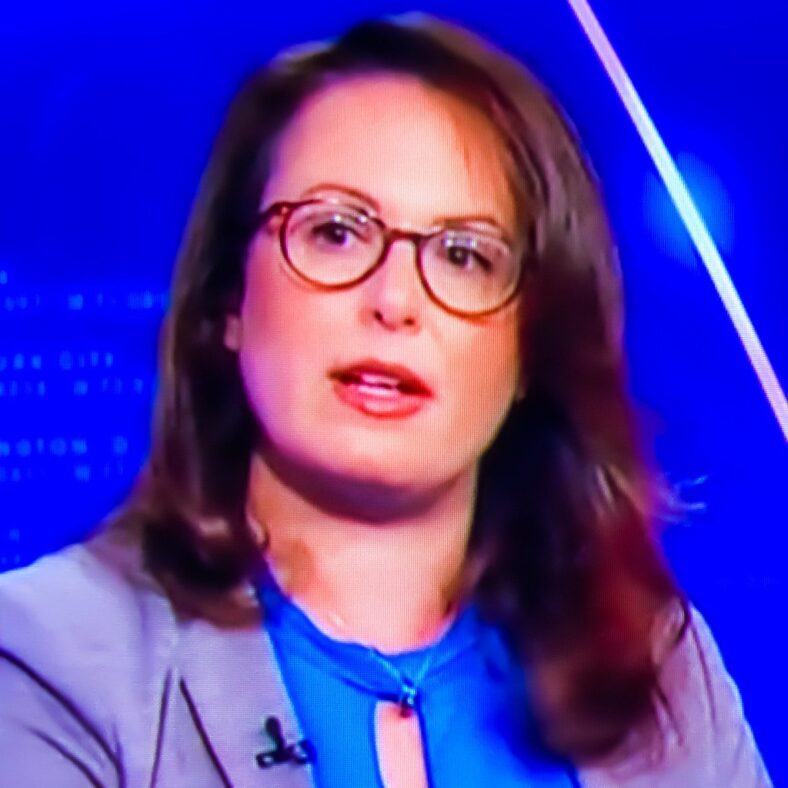
Maggie Haberman Pinpoints When MAGA Broke With President Trump
Veteran journalist Maggie Haberman reveals the exact moment the MAGA movement distanced itself from President Trump in 2026.
Thomas Hawk/Flickr
Veteran New York Times correspondent Maggie Haberman has identified the precise moment when the MAGA movement began to break away from President Donald Trump, marking a pivotal shift in Republican politics in 2026. Speaking at a political forum this week, Haberman detailed how the fracture unfolded amid evolving dynamics within the party and the broader conservative base.
Defining the Break: What Happened and When
According to Haberman, the turning point came during the summer of 2026, a period marked by increasing tensions between President Trump and key MAGA-aligned leaders and grassroots activists. The split was catalyzed by disagreements over Trump’s policy stances and public messaging, particularly regarding economic issues and foreign policy decisions that diverged from the movement’s priorities.
“That was the moment when the MAGA movement started to see President Trump less as a leader who embodied their ideals and more as a figure whose approach was out of step with their evolving agenda,” Haberman explained. The divergence was further amplified by MAGA figures who began promoting alternative candidates and narratives ahead of the 2026 midterm elections.
Context Within the GOP and National Politics
The MAGA movement, a dominant force within the Republican Party since 2016, has been known for its staunch support of President Trump’s style and policies. However, as the 2026 midterms approached, fractures became more visible, reflecting broader shifts in Republican strategy and ideology.
President Trump, now in his second term, has maintained a strong base of loyal supporters but has faced growing criticism from some factions within the party who argue for a recalibrated approach to governance and messaging. The movement’s break with Trump highlights the complexities of balancing populist appeal with institutional political realities.
Political analysts suggest that this split could reshape Republican dynamics in key battleground states, including North Carolina’s Wayne and Duplin counties, where MAGA influence has been significant but is now being tested by emerging local leaders.
Maggie Haberman’s Insights on Media and Messaging
Haberman, known for her in-depth reporting on Trump and the GOP, emphasized the role of media narratives in both reflecting and accelerating the MAGA-Trump split. She noted that the evolving portrayal of Trump—from an unchallenged leader to a more contested figure within his own movement—has influenced public perception and political alliances.
She also highlighted how digital platforms and conservative media outlets have played a dual role, at times supporting Trump’s messaging while simultaneously elevating dissenting voices within MAGA circles who advocate for new leadership or different policy focuses.
Implications for the 2026 Midterms and Beyond
The rift identified by Haberman has significant implications for the upcoming 2026 midterm elections. Republicans control the White House, Senate, and House, with President Trump and his administration pushing key priorities. However, a divided MAGA movement could complicate efforts to unify the party’s base.
Local political observers in North Carolina note that this division could impact voter turnout and candidate endorsements, especially in districts where MAGA support was once monolithic. The evolving landscape may also open opportunities for more moderate Republicans or new voices to gain traction heading into 2027.
As the GOP navigates this internal realignment, the relationship between President Trump and the MAGA base remains a defining factor in shaping the party’s future direction.
The moment Maggie Haberman pinpointed underscores the ongoing evolution of conservative politics in 2026, reflecting both challenges and potential shifts that will influence the national political arena in the months and years to come.