Marco Rubio Expected to Resign from Trump Administration Following Midterm Losses
Marco Rubio is reportedly preparing to leave his role in the Trump administration to launch a 2028 presidential campaign.
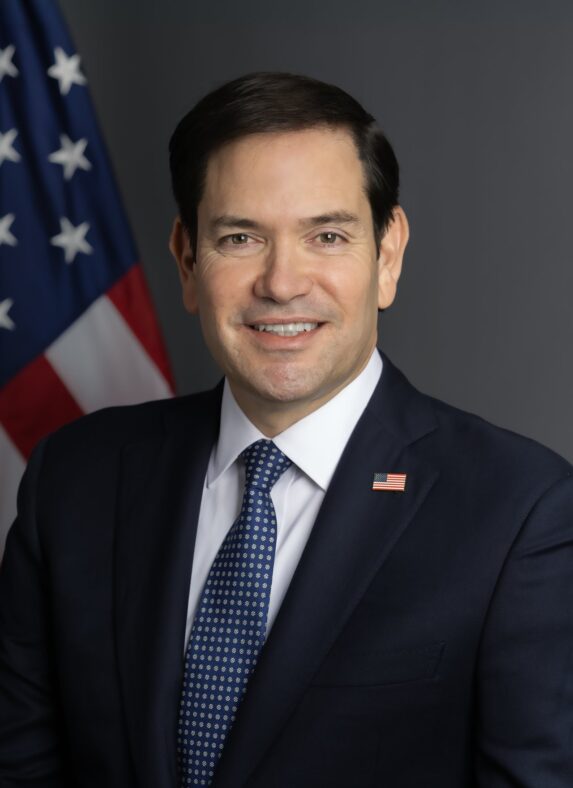
U.S. Department of State/Wikimedia Commons
Marco Rubio, currently serving as US secretary of state and White House national security adviser, is widely expected to resign from President Donald Trump’s administration following the Republicans’ significant midterm losses. Sources on both sides of the Atlantic reveal that Rubio is preparing to run for the Republican presidential nomination in November 2028, positioning himself as a leading candidate against Vice President JD Vance.
Midterm Defeat Spurs Resignations Within Trump Cabinet
Republicans suffered a crushing blow in the midterm elections, losing control of both the House and the Senate, with Democrats capturing traditional Republican strongholds like Kansas and Texas. This defeat has triggered speculation that up to five members of Trump’s cabinet, including Rubio, will soon resign. A senior Republican insider told The Independent that the public’s growing discontent, especially regarding the costly Iran war and rising gas prices, has made staying in the administration untenable.
Vice President JD Vance publicly blamed the war with Iran for the electoral setback, stating, “The real reason we lost is obvious to almost everyone … The reason we lost is the war. The president himself said so last night.” Observers believe Trump may direct blame toward Defense Secretary Pete Hegseth, Rubio, and White House Chief of Staff Susie Wiles for the fallout.
Rubio’s Role and Political Calculations
Despite being the face of US foreign policy as secretary of state, Rubio has reportedly taken a quieter stance on Iran, aiming to distance himself from the contentious conflict. UK officials note that he has maintained strong working relationships with successive UK foreign secretaries, including David Lammy, Yvette Cooper, and Ed Miliband, with Cooper describing him as “brilliantly intelligent” and “very good to engage with.”
An ally of Rubio explained the strategic rationale behind a departure: “Rubio is the leading candidate at the moment to be the [Republican] nominee. He’s definitely ahead of Vance. But he cannot run while he is still secretary of state, and being tied to the administration will only harm his prospects anyway.” This move would allow him to distance himself from the administration’s unpopular policies, especially the Iran war.
Rubio’s Closer Ties to Trump and Controversial Policies
Rubio’s political journey has seen him evolve from a Florida senator often at odds with Trump to one of the president’s closest advisers. Early in Trump’s second term, Rubio assumed multiple roles, including acting archivist of the United States and acting head of the US Agency for International Development before becoming acting national security adviser in May.
However, his influence has been limited in key foreign policy matters, with Trump’s informal envoys—Steven Witkoff and Jared Kushner—taking lead roles in the Middle East peace efforts and Ukraine conflict negotiations. Rubio’s tenure has also been marked by controversies, such as the administration’s aggressive campaign of airstrikes against suspected narcotics traffickers in the Caribbean and the opaque relationship with interim Venezuelan president Delcy Rodriguez following the ousting of Nicolas Maduro.
International and Domestic Perspectives on Rubio’s Future
Senior UK officials and Republicans alike expect Rubio to step down soon. One UK government source commented, “We are looking to see what he will do after the midterms. It seems unlikely that he will stick around. He would make a strong presidential candidate and we expect him to run.” A Republican insider echoed this sentiment, predicting “about four or five” cabinet members will seek to leave amid fears of impeachment efforts by the newly Democratic-controlled Congress.
Rubio’s resignation would mark a significant shift in the Trump administration’s composition and set the stage for a highly contested 2028 Republican primary, with Rubio and Vice President Vance as prominent contenders.
As political realignments continue, Rubio’s next steps will be closely watched by both domestic and international observers, given his influential role in shaping US foreign policy and his emerging presidential ambitions.