Smithsonian Head Receives Standing Ovation After Defending Institution Against Trump Attacks
Smithsonian Secretary Lonnie Bunch hit back at President Trump’s attacks, earning a standing ovation for defending the institution’s mission.
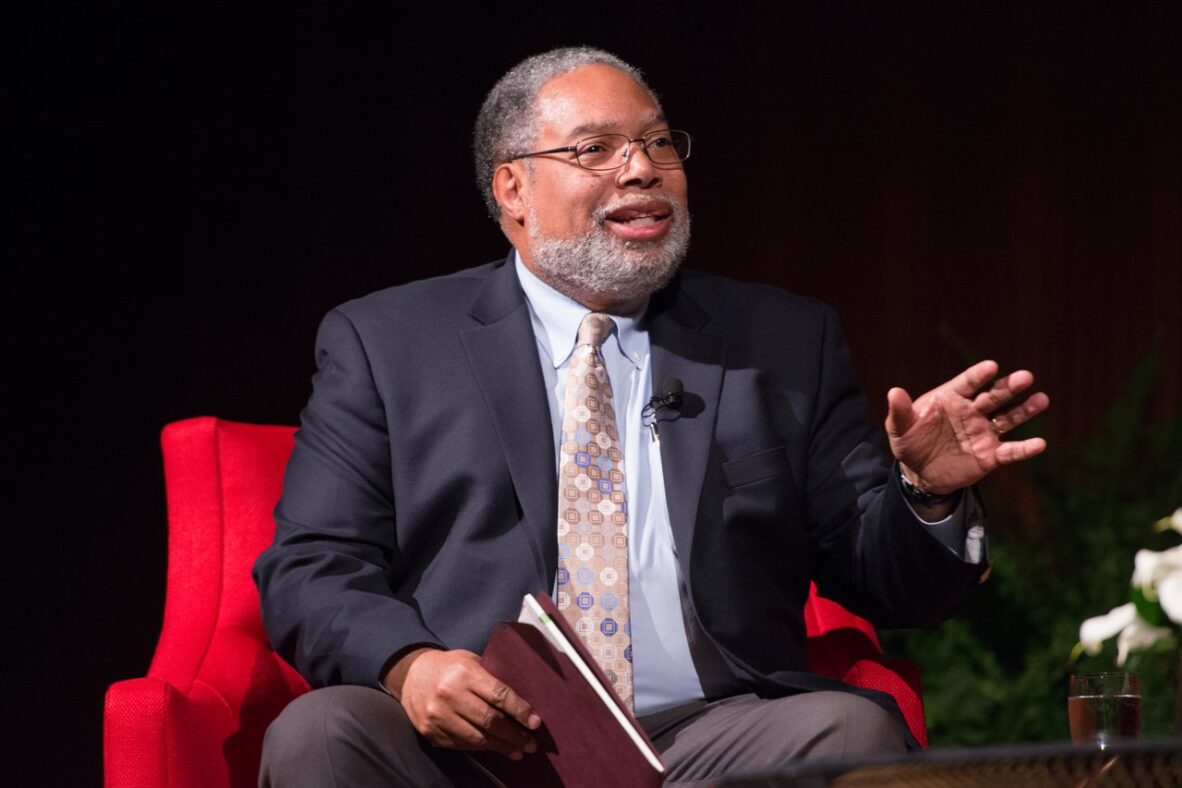
LBJ Library/Wikimedia Commons
Lonnie Bunch, the Secretary of the Smithsonian Institution, delivered a powerful response to recent criticisms from President Donald Trump during a keynote speech at the American Museum Association conference Thursday in Washington, D.C. Bunch’s candid remarks defending the Smithsonian’s mission and rejecting politically motivated attacks earned him a standing ovation from the audience, underscoring the tension between the nation’s premier museum complex and the current administration.
Context of the Trump Criticism
This summer, President Trump publicly criticized several Smithsonian exhibits, accusing them of promoting a “revisionist” view of American history and undermining patriotic values. The president’s administration has increased scrutiny on federal cultural institutions, demanding changes to how history, especially regarding race and social justice, is presented. These attacks have sparked debate nationwide about the role of museums in reflecting America’s diverse history.
Smithsonian leaders, including Bunch, have repeatedly emphasized the institution’s commitment to presenting history in a truthful and inclusive manner. Bunch’s remarks come amid growing concerns that political interference could jeopardize the Smithsonian’s independence and educational mission.
Lonnie Bunch’s Defense of the Smithsonian
In his speech, Bunch called for honesty and integrity in how history is conveyed, urging the audience to “tell the truth, even when it is difficult.” He highlighted the Smithsonian’s role as a national institution dedicated to educating the public through factual, evidence-based exhibits and programming.
“Our mission is not to please any political agenda but to illuminate the full spectrum of American history—its triumphs and its trials,” Bunch said. “We owe it to the American people to present authentic stories that reflect all voices, not just those convenient to the powerful.”
His remarks implicitly challenged the president’s narrative, emphasizing that the Smithsonian’s credibility depends on independence from political pressure. Bunch’s call for truth resonated strongly with museum professionals and advocates in attendance, who showed their approval with a sustained standing ovation.
Reaction from the Cultural and Political Communities
The speech drew widespread attention from cultural leaders, policymakers, and media outlets. Many praised Bunch’s courage and leadership amid a politically charged climate. Martha Stevens, president of the American Alliance of Museums, said, “Lonnie Bunch’s words remind us all why museums matter—they are guardians of history, not political tools.”
Conversely, some Trump supporters criticized Bunch’s remarks as partisan, arguing that museums should promote a more “unifying” narrative. However, experts note that the Smithsonian’s mission has long included presenting complex and sometimes uncomfortable aspects of history to foster understanding and dialogue.
Smithsonian’s Role in North Carolina and Beyond
While headquartered in Washington, D.C., the Smithsonian’s influence extends nationwide, including educational partnerships and traveling exhibits in North Carolina and the Southeast. The institution’s commitment to inclusivity ensures regional histories, such as those from Wayne and Duplin Counties, are preserved and showcased.
Bunch underlined that local communities’ stories are vital to the nation’s collective history. “From the rural South to the urban North, every American’s story deserves to be heard and honored,” he said, reinforcing the Smithsonian’s role as a unifying force through education.
As political debates over historical narratives continue, the Smithsonian Institution remains a central forum for dialogue under Bunch’s stewardship. His standing ovation signals strong support from the cultural sector for truth-telling and integrity in American museums.