Mitch McConnell Voted Against Sick Leave Measures in 1993, 2015, 2020, and 2022
Senator Mitch McConnell opposed or blocked sick leave bills in four separate years, with some exceptions during the 2020 pandemic.
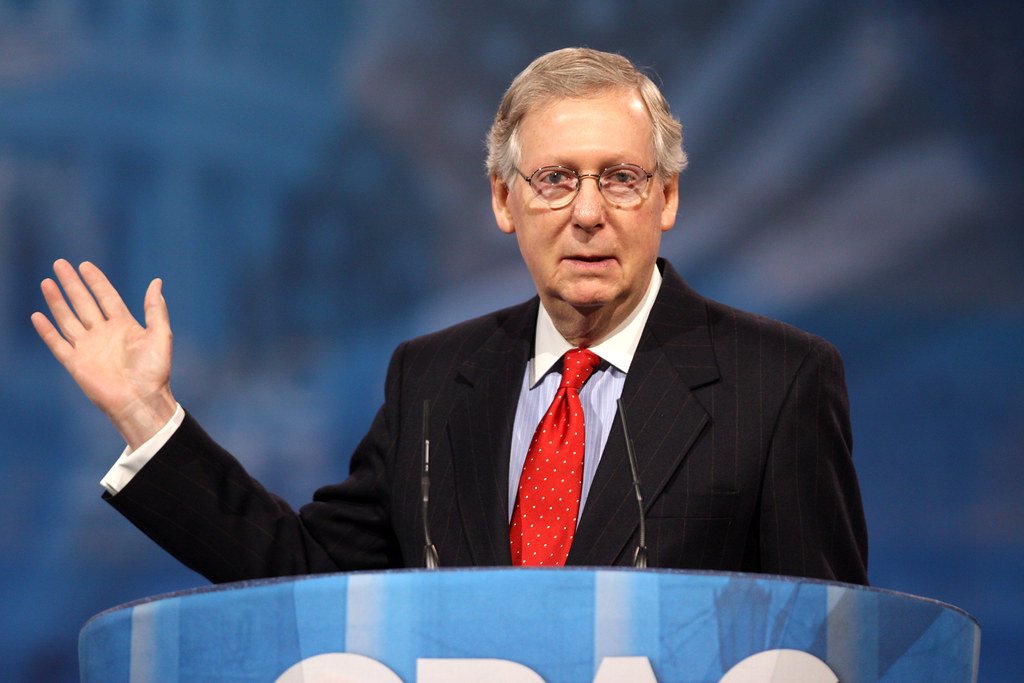
Gage Skidmore/Flickr
Senator Mitch McConnell, Republican of Kentucky and Senate minority leader, has a voting record that includes opposition to several sick leave measures spanning more than three decades. This history resurfaced recently as McConnell returned to the Senate on September 14, 2026, following a lengthy absence due to injury. Social media users highlighted that McConnell voted against or blocked sick leave legislation in 1993, 2015, 2020, and 2022. This article explores the context and nuances behind those votes.
McConnell’s 1993 Vote Against the Family and Medical Leave Act
In 1993, the Senate considered the Family and Medical Leave Act (FMLA), landmark legislation providing up to 12 weeks of unpaid leave annually for employees at companies with 50 or more workers to care for newborns or sick family members. President Bill Clinton signed the bill into law on February 5, 1993. Senator McConnell voted against the FMLA during the Senate roll call. It is important to note that the FMLA does not guarantee paid sick leave but rather unpaid leave, a distinction often misunderstood in online discussions. McConnell did not publicly explain his vote at the time, and no detailed statements have surfaced to clarify his reasoning.
Opposition to Paid Sick Leave Amendment in 2015
On March 26, 2015, the Senate voted on an amendment proposed by Senator Patty Murray aimed at funding paid sick leave provisions within the fiscal year 2016 budget resolution. This amendment passed 61-39 but did not itself create law; instead, it set a budgetary framework supporting paid sick leave policies. Senator McConnell voted against this amendment, aligning with other Republicans who expressed concerns about government mandates on employers and potential economic impacts. This vote is among those cited by critics as McConnell opposing paid sick leave expansion.
Mixed Votes on Sick Leave During the 2020 COVID-19 Pandemic
March 2020 was a pivotal moment as the COVID-19 pandemic swept the nation. On March 18, 2020, McConnell voted in favor of the Families First Coronavirus Response Act, which mandated emergency paid sick leave for workers affected by the crisis. Earlier that same day, however, he voted against an amendment that would have strengthened and extended the paid leave benefits through 2021. Subsequently, as Senate majority leader, McConnell reportedly blocked efforts to extend the paid sick leave provisions beyond the end of 2020, which led to their expiration on December 31, 2020. These actions demonstrate a more nuanced record, with McConnell supporting emergency relief but opposing longer-term paid leave mandates.
Votes Against Paid Sick Leave for Rail Workers in 2022
In 2022, McConnell supported legislation designed to prevent a nationwide rail worker strike, a bill that did not include paid sick leave provisions. That same day, he voted against a resolution that would have granted rail workers seven days of paid sick leave annually. This vote again underscores his resistance to expanding paid sick leave requirements despite supporting other labor-related measures.
Context and Public Response
The resurfacing of McConnell’s voting record on sick leave coincides with his return to the Senate after recovering from a serious fall in June 2026. Social media posts, particularly on Bluesky, X, and Facebook, have spotlighted the contrast between McConnell’s prolonged paid sick leave and his legislative history opposing sick leave expansion. While the claim that he voted against or blocked sick leave measures in four separate years is mostly accurate, it omits the complexity surrounding his 2020 votes during the pandemic emergency.
McConnell’s office has not issued a detailed public statement addressing these specific votes as of September 17, 2026. However, this record remains a focal point for discussions about labor rights and health protections for American workers.
In sum, Senator Mitch McConnell’s voting history reflects consistent skepticism toward expanding paid sick leave mandates, tempered by support for emergency relief during the COVID-19 pandemic. This nuanced record has become a point of debate amid ongoing conversations about workers’ rights in the U.S.