NC State Study Reveals Genetic Risks in Coastal Black Bear Population
NC State researchers identify genetic isolation and inbreeding risks in coastal black bears, aiding wildlife management and anti-poaching efforts.
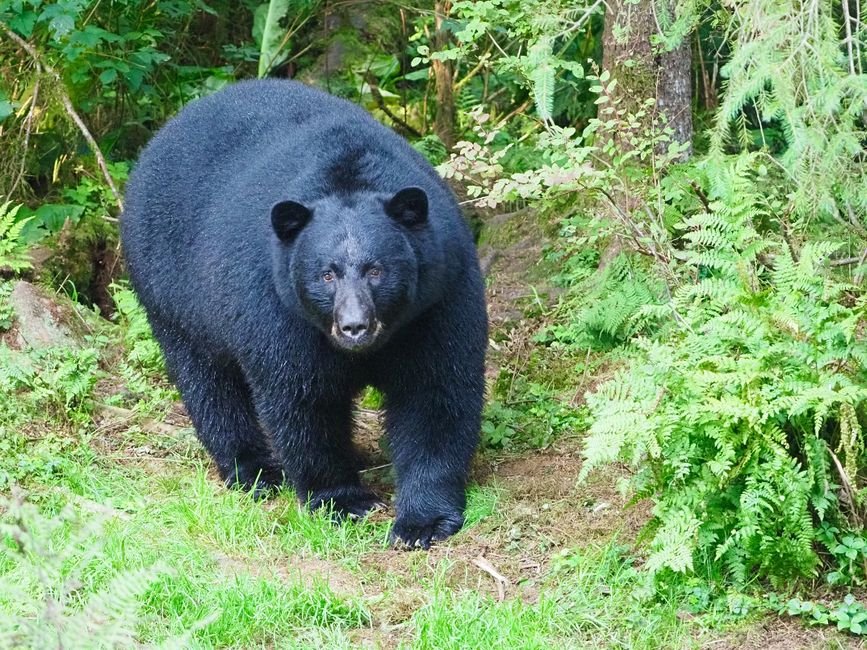
Jennifer Kardiak/Pexels
Researchers at North Carolina State University have uncovered significant genetic differences between mountain and coastal black bear populations in North Carolina, highlighting risks of inbreeding and habitat isolation in coastal regions. This discovery, published in the journal Genes, offers new tools to support wildlife management and combat illegal poaching.
Genomic Survey Unveils Population Differences
The study, led by postdoctoral researcher Isabella Livingston and genomics professor Matthew Breen at NC State’s College of Veterinary Medicine, involved analyzing DNA samples from 76 black bears across two state management units. The team sequenced whole genomes from 49 bears in the Mountain Bear Management Unit and 27 bears in the Coastal Bear Management Unit, revealing three distinct genetic clusters—two in the mountains and one along the coast.
Despite the coastal region having a larger overall bear population, researchers found coastal bears exhibit lower genetic diversity and higher levels of inbreeding compared to their mountain counterparts. This genetic fragility raises concerns about the long-term resilience of coastal bear populations.
Landscape Changes Drive Genetic Isolation
Livingston explained that habitat changes along the coast have restricted bear movement, leading to isolated breeding neighborhoods. “We then added landscape data for context – we looked at how the landscapes in each of these management units have changed and saw that there’s been more change in the coastal region compared to the mountains,” she said. “Coastal bears are running out of usable habitat, so there is evidence of potential isolation into breeding neighborhoods where they may not have access to every individual within the CBMU, resulting in inbreeding and genetic fragility.”
In contrast, mountain bears benefit from geographic features that facilitate broader movement across state lines, supporting greater genetic variation. Breen noted, “Bears don’t look at state borders and think, ‘Oh, well, better stop there.’ So it’s possible that the genetic diversity in that western part of the state might reflect a natural infusion and exchange with bears from other states, as opposed to the eastern population, which backs into an ocean.”
Genetic Tools Aid Wildlife Management and Law Enforcement
To apply their findings practically, the NC State research team developed a panel of single nucleotide polymorphisms (SNPs) that serve as genetic fingerprints. These markers enable wildlife officials to identify the exact origin of individual bears, enhancing population monitoring and anti-poaching investigations.
Livingston described the utility of the SNP panel: “Basically groups of SNPs act as genetic fingerprints that we can use to find out where a bear is from and who it is. It’s a tool that can be used by wildlife managers in sustaining a healthy bear population. It can also be useful to law enforcement in poaching investigations and other forensically relevant contexts in determining where a bear came from.”
Continued Collaboration to Support Bear Conservation
The study, funded in part by the Pittman–Robertson Federal Aid to Wildlife Restoration Grant, included contributions from Allison Dickey, Megan Dillon, Nicholas Gould, Jennifer Strules, Christopher DePerno, Michael Stoskopf, and Kelly Meiklejohn. The team plans to work closely with the North Carolina Wildlife Resources Commission and other agencies to integrate genomic data into field operations.
Breen emphasized the broader implications of the research: “This work shows that genome-wide data of wildlife populations can reveal population structure, demographic history and emerging connectivity concerns that may not be apparent from census size or management boundaries alone. We are delighted to be able to continue to work with the NC Wildlife Resources Commission and other constituents to explore how these data can be used to help them sustain a healthy, viable population of bears in our state.”
This pioneering study marks an important step in understanding and protecting North Carolina’s black bear populations through advanced genetic insights.