President Trump Calls for New Mexico to Be Renamed ‘New America’, Faces Legal Barriers
President Trump urges New Mexico to change its name to ‘New America,’ but legal and cultural hurdles stand in the way.
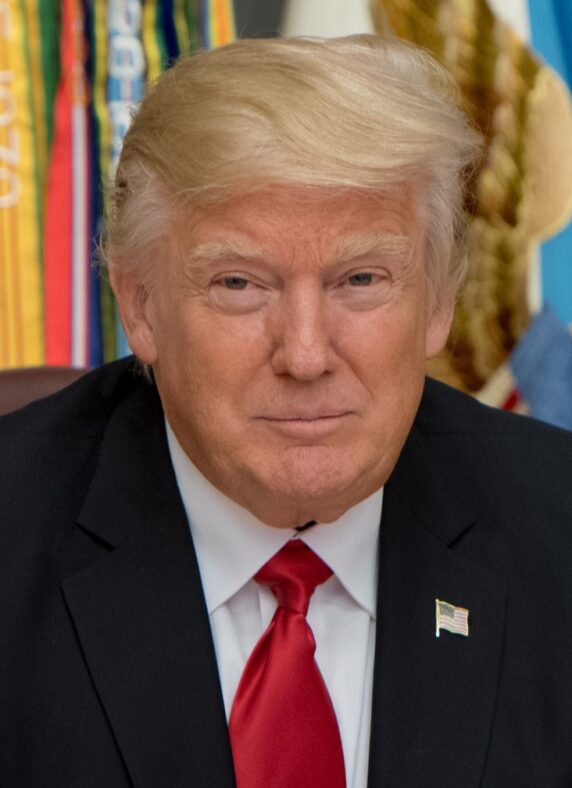
DOD photo by U.S. Air Force Staff Sgt. Jette Carr/Wikimedia Commons
President Donald Trump renewed his call for New Mexico to change its name to “New America,” making the proposal on October 19 via a Truth Social post. The president argued the new name would boost the state’s prestige and economic value, but legal experts and state officials have pointed out that renaming New Mexico is not within presidential power and would require a state-led constitutional process.
Trump’s Push to Rebrand New Mexico
In his October 19 post, President Trump wrote, “New Mexico should immediately change its name to New America. We are not Mexico, we are the United States of America!” He claimed the new name would “add great value and prestige to the State,” raising home values and incomes while fostering greater pride in saluting the American flag. This latest proposal follows a September 6 social media post where he shared maps depicting New Mexico as “New America.”
Trump’s push to rename New Mexico is part of a broader effort to rebrand U.S. geographic names that overlap with foreign countries. His administration previously ordered the Gulf of Mexico to be renamed the Gulf of America and Lake Ontario to be renamed Lake America. Additionally, Trump restored Fort Liberty’s original name, Fort Bragg, and reverted the nation’s highest peak from Denali back to Mount McKinley.
Historical and Cultural Resistance
Democratic Senator Ben Ray Luján responded to Trump’s suggestion by emphasizing the deep historical roots of New Mexico’s name. On October 19, Luján posted on X that the name “dates back hundreds of years, long before the United States even existed,” highlighting its cultural and historical significance. He said, “We are New Mexicans. We’re proud of our name, proud of our home, and we’re keeping both. Long after Donald Trump is out of office, we’ll still be New Mexico.”
New Mexico’s name originates from the 1500s, when Spanish settlers named the region Nuevo México. This predates the United States’ founding and even Mexico’s independence from Spain. The area was a U.S. incorporated territory until becoming the 47th state in 1912.
Resistance to the name change isn’t limited to Democrats. Republican congressional candidate Greg Cunningham, running against U.S. Rep. Gabe Vasquez in New Mexico, dismissed the idea during an October 16 debate, stating, “It’s not something that’s legislatively possible, so nothing’s going to change.”
Legal Limits on Presidential Renaming of States
Unlike his previous renaming efforts involving federal geographic features, President Trump cannot rename a state by executive order. According to USA TODAY reporting, the name of New Mexico is embedded in the state’s constitution, making it legally protected and subject only to state legislative processes for any change.
Experts note that while a president can direct federal agencies to use specific names for features under federal jurisdiction, states operate under their own constitutions and legal frameworks. This fundamental difference means that federal renaming efforts do not apply to states like New Mexico. Any change to the state’s name would require an official state-led amendment process.
Broader Context of Renaming Efforts
President Trump’s campaign to rename geographic locations with foreign country names aligns with his broader political messaging emphasizing American identity. His administration’s previous actions include renaming bodies of water and restoring historical names to military installations and landmarks, reflecting a pattern of symbolic rebranding.
However, the proposed renaming of New Mexico highlights the limits of presidential authority when state identity and constitutional law are involved. The push has met with significant opposition from political leaders and citizens who value the state’s long-standing cultural heritage.
Ultimately, despite President Trump’s vocal advocacy, the legal and political realities make renaming New Mexico to “New America” highly unlikely without substantial state approval. The name’s rich history and constitutional protection ensure it remains a defining feature of the state’s identity.