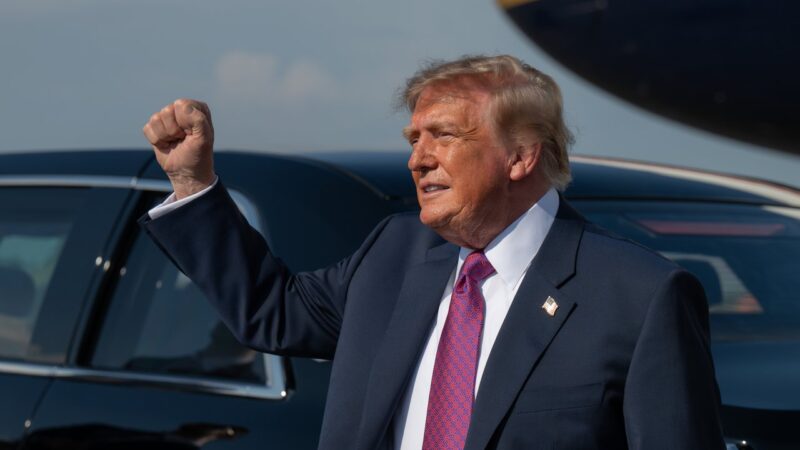
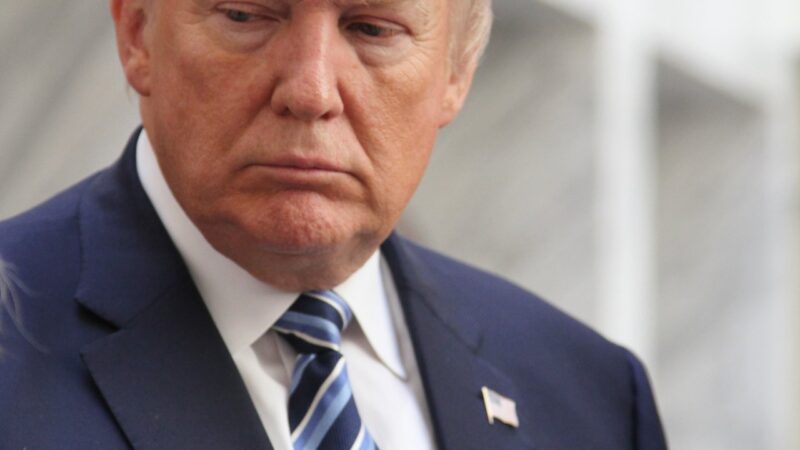
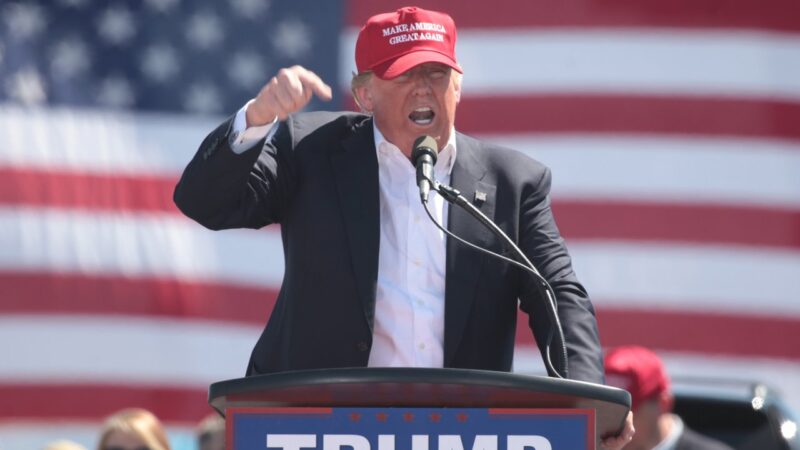
Obama’s Popularity Soars Ahead of Midterms as Trump Faces Sharp Backlash
New polls show Barack Obama far outpacing President Trump in popularity, fueling tensions in the final days before the midterm elections.
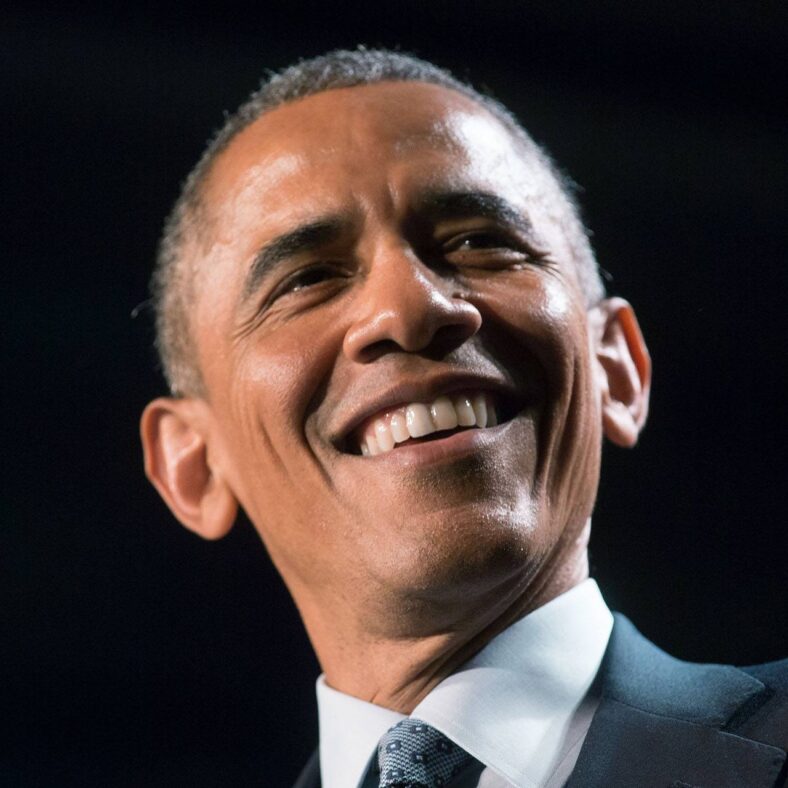
Lawrence Jackson/Wikimedia Commons
Barack Obama continues to dominate public favorability polls, presenting a stark contrast to President Donald Trump as the 2026 midterm elections approach. With just eight days before Election Day, recent surveys reveal Obama’s approval rating far surpassing that of the sitting president, highlighting the ongoing political divide across the nation.
Polling Data Highlights Obama’s Lead Over Trump
Polling results released this October underscore Obama’s strong standing among Americans. A YouGov/Yahoo poll cited by CNN on October 26 showed Obama’s approval rating at 55 percent compared to Trump’s 37 percent. Another survey conducted by CNN/SSN in June found Obama’s favorability rating at 57 percent, while Trump lagged at 34 percent. Additionally, an open-ended question from the same survey revealed that 30 percent of respondents admired Obama most, versus 19 percent for Trump, an 11-point difference. Earlier this year, a UMASS/YouGov poll also found Obama leading Trump by 23 percentage points in favorability.
Among independent voters, Trump’s support remains notably weak, with only 31 percent viewing him favorably and 68 percent unfavorably, according to the UMASS/YouGov poll. CNN’s data analyst Harry Enton remarked that this margin may have even increased as Trump’s popularity declined further throughout the year.
Obama’s Midterm Campaign Rallies Draw Massive Crowds
Obama’s reemergence on the campaign trail has energized Democratic voters. Over the weekend, he held rallies in key battleground states, including Ohio and Michigan. In Cleveland on October 24, thousands of supporters lined up for hours to attend a rally at the Cleveland Public Auditorium, which seats 10,000 people. Similarly, in Detroit, more than 4,300 attendees packed a school gymnasium to hear Obama speak.
During these events, Obama delivered pointed critiques of the current administration, accusing it of lawlessness, corruption, and failing the economy. He also defended Michigan Democratic Senate candidate Abdul El-Sayed against attacks calling him a “radical” and “jihadist,” phrases Obama noted echoed the smears he faced in his own campaigns. Obama’s rally remarks in Cleveland included a sharp jab at the White House, quipping, “He’s got the White House looking like Saddam Hussein opened a cheesecake factory!” which drew laughter from the crowd.
Trump’s Reaction: Midnight Tirade on Social Media
President Trump responded to Obama’s rising influence with a lengthy post on Truth Social just after midnight over the weekend. In the post, Trump labeled Obama a “grossly incompetent President” and resurrected criticisms of Hillary Clinton and Kamala Harris’s election losses, which he attributed to Obama’s campaigning efforts. Trump also attacked Abdul El-Sayed, calling him a “Fake Doctor” and “Jihadist” who supposedly harbors hatred for multiple groups.
Trump’s social media outburst reflects his frustration with Obama’s popularity and the impact it may have on the midterm races. The president’s post criticized Obama’s past endorsements and painted the Democratic candidates as radical threats, mirroring the language Obama warned against during his rallies.
Local Implications and the Road Ahead
The contrasting fortunes of Obama and Trump may influence voter turnout and sentiment in key states such as Michigan and Ohio, both battlegrounds for Senate and gubernatorial contests. Democratic candidates, buoyed by Obama’s support, are fighting back against MAGA-aligned attack ads, as seen in Ohio with gubernatorial candidate Amy Acton and Senate hopeful Sherrod Brown.
As Election Day nears, the widening gap in popularity between Obama and Trump underscores the turbulent political landscape and highlights the challenges facing the Republican Party despite controlling the White House and Congress.
With enthusiasm high among Democrats and independent voters leaning away from Trump, the final days of the midterm campaign could prove pivotal in shaping the balance of power in Washington.