Supreme Court Blocks Trump Administration’s New Mail-In Voting Restrictions
The Supreme Court halts Trump administration’s attempt to limit mail-in voting, preserving current ballot delivery rules before November 2026 elections.
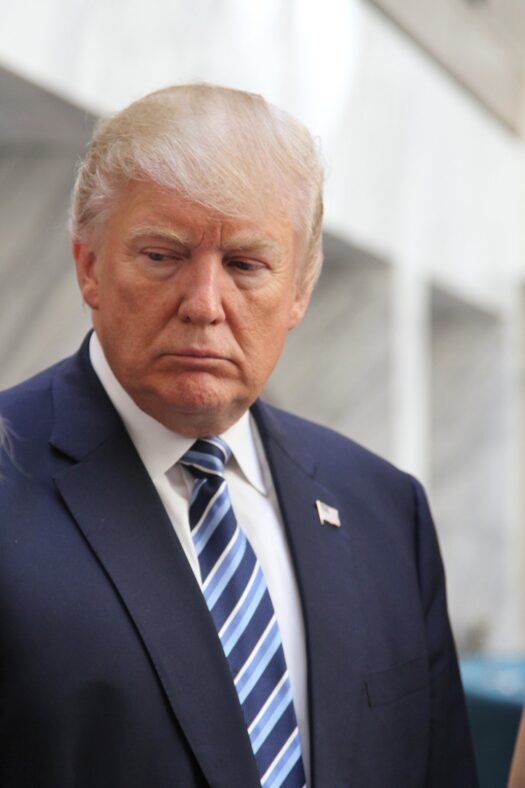
Gedalia Vera/Wikimedia Commons
The U.S. Supreme Court on Monday rejected the Trump administration’s effort to impose new restrictions on mail-in voting, allowing states to continue sending out ballots by mail as planned ahead of the November 2026 midterm elections. This decision keeps in place a lower court injunction that barred the U.S. Postal Service (USPS) from implementing new rules requiring states to submit detailed voter information tied to mail ballots.
Supreme Court Majority Upholds Lower Court Injunction
The Court’s majority found that the government was unlikely to succeed on the merits of its challenge to the preliminary injunction issued by the District Court. The ruling ensures that states retain the ability to distribute mail-in ballots without the additional information-sharing requirements pushed by the Trump administration. This means states can maintain their usual mail ballot procedures during the critical run-up to the midterms.
Justice Brett Kavanaugh, while agreeing with the majority, based his vote primarily on the proximity of the midterm elections, noting that implementing the new USPS rules less than two months before Election Day would be arbitrary and capricious. Kavanaugh acknowledged that the Postal Service might have the authority for such regulations in the future but emphasized the timing made enforcement impractical for 2026.
Trump Administration’s Push for Tighter USPS Regulations
President Donald Trump’s administration sought new USPS regulations requiring states to provide a voter’s name, home address, and a unique barcode for every mail-in ballot. Postal workers would then be instructed to only deliver ballots addressed to voters appearing on these state-provided lists. The administration framed the rules as modest ballot design and review measures intended to secure mail voting.
However, Democratic-led states and voter advocacy groups criticized the rules as an unprecedented federal intrusion into election administration—a process traditionally managed by states. They argued these changes aimed to complicate mail-in voting access for ordinary voters and could suppress turnout in key states.
Dissenting Justices Favor Trump Administration’s Position
Justices Samuel Alito and Clarence Thomas dissented, expressing support for the Trump administration’s authority to impose the new USPS mail-in voting rules. In an eight-page dissent, Justice Alito wrote that the Postal Service has broad regulatory powers over mail delivery and is exempt from the usual administrative law challenges that states raised.
They contended that plaintiffs opposing the rules lacked legal standing and that the injunction blocking the policy was unlikely to succeed in the long run. The dissent described the legal challenge as a “Hail Mary pass” unlikely to be completed successfully, signaling openness to reconsidering the issue in future cases.
Implications for 2026 Midterms and Future Elections
Monday’s ruling clears the path for states to proceed with mail ballot distribution ahead of the 2026 midterm elections without disruption. Still, the legal dispute over mail-in voting restrictions remains unresolved and is expected to return to the courts, possibly the Supreme Court again, before the 2028 elections.
Observers note that at least three justices appear receptive to the Trump administration’s arguments, which could shape future rulings on USPS election regulations. For now, voters can expect mail-in voting procedures to remain consistent with past elections, avoiding last-minute changes that could complicate voter participation.
As the nation approaches the November 2026 midterms, this decision underscores the ongoing tension between federal election oversight and states’ traditional authority over voting processes.