Oil Tanker Disabled Near Strait of Hormuz Amid Rising Iran-US Tensions
An oil tanker was struck near the Strait of Hormuz amid escalating Iran-US tensions following new sanctions and threats of retaliation.
Scott Tobin/Unsplash
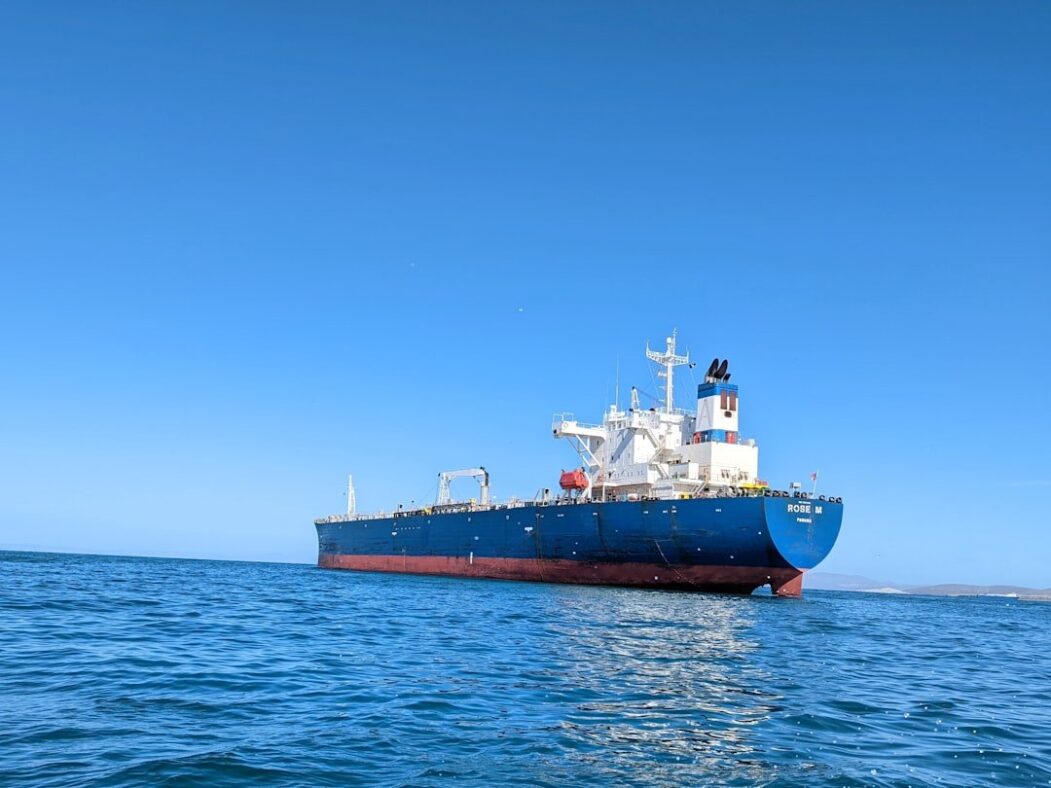
An oil tanker was attacked and rendered inoperable near the Strait of Hormuz late Tuesday night, escalating tensions between Iran and the United States following recent sanctions and Tehran’s vow of retaliation. The vessel, operating near the coast of Oman under US protection, was hit by an unknown projectile, damaging its engine room but causing no casualties, according to the UK Maritime Trade Operations (UKMTO).
Details of the Attack and Immediate Aftermath
The tanker was navigating a US-protected route off Oman when it was struck, leaving it disabled in strategic waters that funnel roughly one-third of the world’s oil shipments. The attack caused significant damage to the engine room but did not result in injuries among the crew. Maritime analysts note that this incident is part of a recent surge in hostile actions against vessels attempting to bypass Iran’s control of the Strait of Hormuz, with at least six tankers attacked in recent weeks.
Iran’s Position and Regional Security Proposals
While Iran has not officially claimed responsibility for the attack, Tehran has previously targeted maritime traffic in the area and blacklisted 45 tankers accused of violating its transit protocols. Hours after the incident, Iran and Oman jointly proposed establishing a “temporary navigational corridor” aimed at clearing sea mines and ensuring safer passage. However, the proposal includes a reference to “provision of relevant navigational and security services,” widely interpreted as a push to enforce a toll system on the vital waterway—a move the US has firmly rejected as illegal under international law.
Escalating Economic Pressures and Iranian Retaliation Threats
The attack follows recent warnings from Iran’s Economy Minister Ali Madanizadeh, who vowed Tehran would shift from a defensive stance to an offensive posture in response to tightened US sanctions. State news agency IRNA quoted Madanizadeh saying, “Our enemies want to launch an economic terrorist attack against us… They should also expect an attack from us.” This rhetoric comes as the US launched “Operation Economic Outcast,” aimed at isolating Iran economically by pressuring secondary nations to cut trade ties, intensifying the regime’s economic hardships amid rising inflation and sanctions.
Broader Impact on Maritime Security and Global Oil Markets
Since the war began, at least 68 attacks on shipping vessels have been reported in the Persian Gulf and near the Strait of Hormuz, resulting in over 20 deaths and dozens of injuries among seafarers. The growing instability threatens the security of a major global oil transit route, with the potential to drive up oil prices amid ongoing war-driven uncertainty. Iran appears to be leveraging these disruptions to increase pressure on the US and its allies, betting that economic strain and geopolitical risks will force a recalibration of policy.
The latest tanker attack underscores the fragile security environment in the Strait of Hormuz and the complex interplay between military actions and economic sanctions. As diplomatic efforts and regional proposals unfold, the international community remains watchful of further escalations that could destabilize this critical maritime chokepoint.