Pentagon Criticizes Canada’s Defense Spending and Military Readiness in New Fact Sheet
Pentagon highlights Canada’s NATO defense spending shortfalls and reports Defense Secretary Hegseth circulated memo restricting some U.S.-Canada military collaboration.
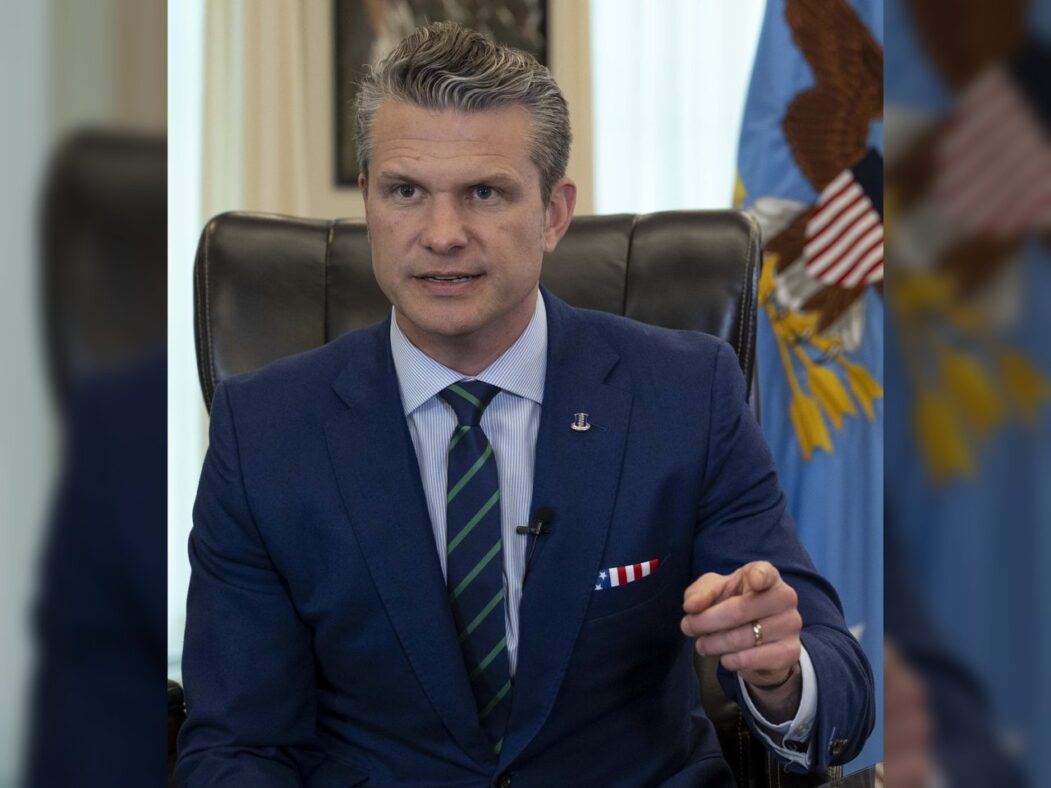
U.S. Secretary of Defense/Wikimedia Commons
The Pentagon issued a critical fact sheet on Monday accusing Canada of underfunding its military and failing to meet NATO defense spending commitments, coinciding with reports that Defense Secretary Pete Hegseth circulated a secret memo restricting some U.S. military collaboration with Canada. The move highlights tensions as Canada reviews its defense partnerships amid concerns over its military readiness.
Pentagon Fact Sheet Highlights Canada’s Defense Shortfalls
The U.S. Department of Defense released a two-page document condemning Canada’s defense spending and military capabilities. The fact sheet stated that Canada was not “a credible partner” and that its military had become “atrophied.” It called on Canada to “get serious and focused,” emphasizing that “Canada’s defense shortfalls speak for themselves.”
The Pentagon criticized Canada for not meeting NATO pledges, noting that Ottawa had yet to present a convincing plan to reach NATO’s goal of spending 5 percent of GDP on defense by 2035. The report recalled that Canada first agreed to spend 2 percent of GDP at the 2006 Riga Summit and recommitted at the 2014 Wales Summit but only reached that target in 2025, nearly 20 years after its initial commitment.
Secret Memo Limits U.S.-Canada Military Collaboration
Reports surfaced that Defense Secretary Pete Hegseth circulated a secret memorandum imposing new limits on military ties between the United States and Canada. The Washington Post reported the memo restricts U.S. military personnel’s participation in Canadian social events and think tank engagements. U.S. Senator Mike Rounds confirmed the focus of these restrictions.
Despite these limits, Pentagon spokesperson Sean Parnell stated that sharing of defense intelligence, NATO cooperation, and North American air defense activities through NORAD were unaffected. Canadian officials said day-to-day military operations with the U.S. had not changed. Canadian Defense Minister David McGuinty, speaking at the Halifax International Security Forum, said he was unaware of the directive.
Canada’s Military Ties and Equipment Review
Canada’s armed forces remain closely integrated with the U.S., particularly through NORAD, which jointly defends North America against threats such as intercontinental ballistic missiles. However, Canada is reconsidering defense purchases, including a plan to buy 88 F-35 jets from the U.S. While Ottawa has committed to the first 16 jets, it is exploring options for a mixed fleet that could include Swedish-made Gripen fighters, which some argue would support Canadian jobs.
The Pentagon warned that a mixed fleet would “compound existing personnel shortfalls.” The F-35 remains the only viable fifth-generation fighter available outside the U.S., but some officials have expressed concerns about relying heavily on the U.S. for supply chains, updates, and weapons systems control.
Broader U.S.-Canada Relations and NATO Expectations
The Pentagon’s criticism comes amid strained U.S.-Canada relations since President Donald Trump’s return to office in 2025, characterized by trade disputes and repeated references to Canada as the U.S.’s “51st state.” The U.S. has chastised several NATO members, including Canada, for relying on American military capabilities instead of adequately funding their own forces.
The Pentagon noted that successive Canadian governments have “failed to adequately resource” the military and pressured Canada to meet NATO’s defense spending goals. The Office of the Parliamentary Budget Officer in Canada has also reported that Ottawa has not published detailed plans to achieve NATO spending targets on schedule.
Amid these dynamics, Canada continues to assess its defense posture and military partnerships as part of its evolving national security strategy.
While the Pentagon’s fact sheet and the secret memo underscore current challenges in U.S.-Canada defense cooperation, officials from both countries maintain operational ties remain intact for shared continental defense.