Pete Hegseth’s Latin America Trip Cut Short After Colombian President Snubs Military Deal
Colombian President Abelardo De La Espriella rejects joint U.S. military operations, forcing Defense Secretary Pete Hegseth to alter his Latin America tour.
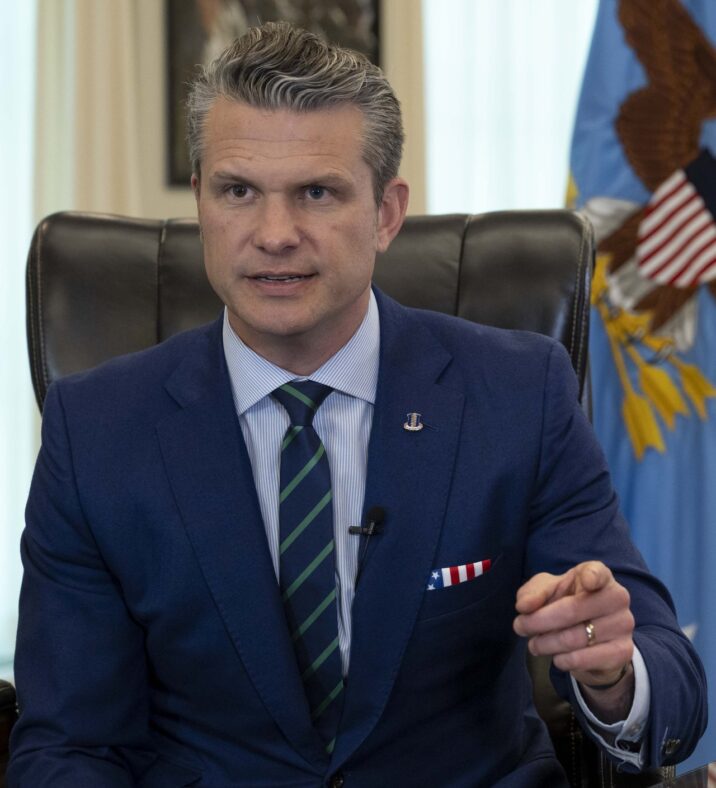
U.S. Secretary of Defense/Wikimedia Commons
Defense Secretary Pete Hegseth was forced to shorten his Latin America trip after Colombian President Abelardo De La Espriella declined a U.S. plan for joint military operations in Colombia. The rejection marks a setback for the Trump administration’s efforts to expand Pentagon influence in the region.
Colombian President Rejects Title 10 Agreement
According to a New York Times report published Wednesday, President De La Espriella, a right-wing leader aligned with President Donald Trump since taking office this year, refused to approve a Title 10 agreement. This deal would have authorized American troops to operate within Colombia, including conducting joint airstrikes and ground missions targeting drug organizations. U.S. officials told The Times that De La Espriella supports working with the Pentagon on counterdrug efforts but lacks the necessary votes in Colombia’s Congress to finalize the agreement.
Impact on Hegseth’s Latin America Tour
De La Espriella’s refusal forced Hegseth to revise his itinerary. The Defense Secretary had planned to meet with Colombian officials in Bogota on Wednesday to discuss the deal’s details. Instead, he made only a brief stop in Bogota after visiting Caracas, Venezuela. While in Caracas, Hegseth signed an agreement with Venezuela’s interim president, Delcy Rodriguez, describing it as part of an “increased defense partnership.” The Colombian snub abruptly curtailed what was intended to be a broader four-country tour.
Significance of Colombia in U.S. Defense Strategy
The Pentagon responded to the setback by emphasizing Colombia’s status as “a longstanding defense partner of the United States,” according to a statement shared with The Times. Colombia, one of Latin America’s largest nations, boasts one of the region’s most capable militaries. It has been central to Pentagon plans to expand U.S. military operations throughout the Western Hemisphere. The rejection of the Title 10 agreement thus represents a significant blow to the Trump administration’s ambitions in the region.
Expert Reaction: A Reality Check for the Administration
Brian Finucane, a former State Department lawyer specializing in the laws of war, told The Times the refusal should serve as a “reality check for the administration.” He noted, “Unlike with the boat strikes, they aren’t going to have a free hand to do strikes willy-nilly in the territory of other states.” The setback highlights the complexities of securing congressional approval in partner countries and the limits on U.S. military operations abroad.
The White House and Colombia’s government did not immediately respond to requests for comment regarding the deal’s rejection and Hegseth’s altered schedule.