Poll Shows Rising Republican Concern Over Trump’s Self-Enrichment
A new poll finds a significant increase in Republicans who say President Trump is enriching himself while in office.
NASA/Bill Ingalls/NASA
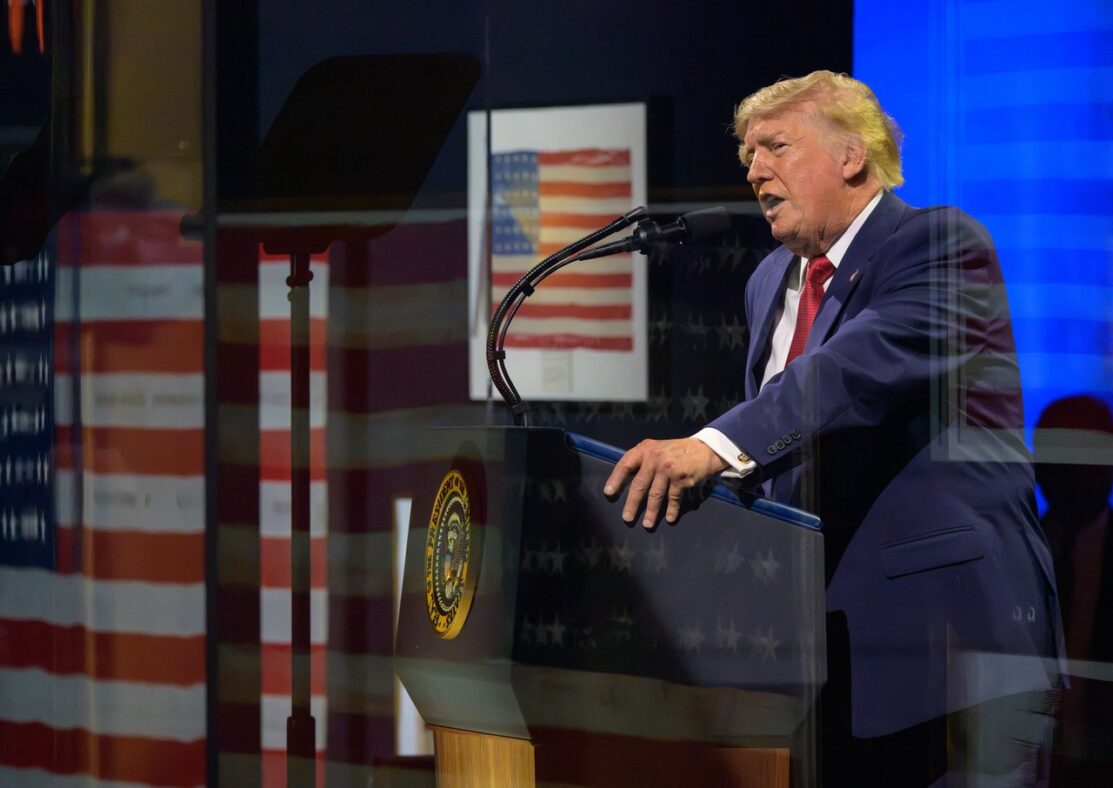
A recent Washington Post-ABC News-Ipsos poll reveals that nearly two-thirds of Americans believe President Donald Trump is using his position to enrich himself, with a notable increase coming from Republican-leaning voters. This shift emerges less than three weeks before the midterm elections, highlighting growing concerns about corruption and self-dealing linked to the Trump administration.
Growing Republican Skepticism on Trump’s Financial Gains
The poll indicates that among Republicans and independents who lean Republican, 34 percent now believe Trump is enriching himself, a significant rise from 22 percent recorded in September. Meanwhile, Democrats and Democratic-leaning independents continue to hold this belief overwhelmingly, with 92 percent agreeing Trump is benefiting financially from the presidency, up from 88 percent a year ago. Independents without party leanings showed no change in opinion.
This shift among Republicans comes amid a heated political climate, as Democrats intensify their focus on corruption themes in key congressional and gubernatorial races. Despite the concern, only 1 percent of corruption-related ad spending in battleground areas directly accuses Trump of enriching himself, according to a Washington Post analysis of ad data through October 12.
Corruption as a Central Issue in the Midterm Campaign
With the midterms approaching, Democrats have amplified messaging linking Trump and Republican corruption to economic issues like the high cost of living. They have targeted Trump’s ties to wealthy individuals, the affluent Cabinet, and his family’s cryptocurrency and foreign business dealings that have reportedly increased his wealth during his second term. However, few ads explicitly accuse Trump of self-enrichment.
On the Republican side, Vice President JD Vance leads a task force aimed at rooting out fraud in government programs. GOP advertisements on corruption portray Democrats as out-of-touch career politicians rather than focusing heavily on Trump’s financial controversies.
Voter Impact and Political Strategists’ Perspectives
Matthew Brumbaugh, a 42-year-old independent leaning Republican from Ohio, exemplifies the shifting voter mindset. Having supported Trump in 2024, Brumbaugh now questions his decision, citing concerns over the war with Iran and rising living costs. He is considering voting for a Democrat in a competitive Senate race to limit Trump’s influence, stating, “He’s using his power to extremes.”
Republican strategist Matthew Bartlett acknowledged the difficulty the GOP faces in addressing corruption while President Trump frequently discusses topics like White House renovations and business ownership. Bartlett commented, “Every single day the president is talking about vanity projects, he’s talking about ownership of companies? How do you message around that? The short answer is you don’t.”
Democratic strategist Adam Bozzi advised tailoring anti-corruption messages to specific audiences, linking affordability concerns with corruption issues. Bozzi stressed the importance of promising to tackle corruption impartially, whether it involves Trump or others, and noted the advantage Democrats have in pointing to numerous examples of alleged corruption related to the president.
Polling Reflects Broader Distrust and Political Consequences
The Post-ABC-Ipsos poll also highlights widespread distrust, with over 40 percent of respondents saying neither party can be trusted to reduce government corruption. Despite this, Democrats hold a narrow edge regarding which party voters believe would better address corruption, with about one-third favoring Democrats compared to one-quarter for Republicans.
Senator Chris Murphy, campaigning in Tennessee, observed increasing doubt even among Trump’s staunch supporters. He predicted that some loyal Trump voters might abstain from voting in the midterms, affecting turnout. Murphy said, “I’ve been surprised that even Trump’s most hardened supporters are having doubts for the first time in 10 years about Trump.”
As the midterms approach, the growing Republican concern over President Trump’s enrichment raises questions about how the issue will influence voter behavior and campaign strategies in the coming weeks.