US Institute of Peace Files Emergency Motion to Halt Trump Name Carving
The US Institute of Peace seeks to block President Trump’s plan to carve his name on its headquarters, sparking a new legal fight.
NASA/Bill Ingalls/NASA
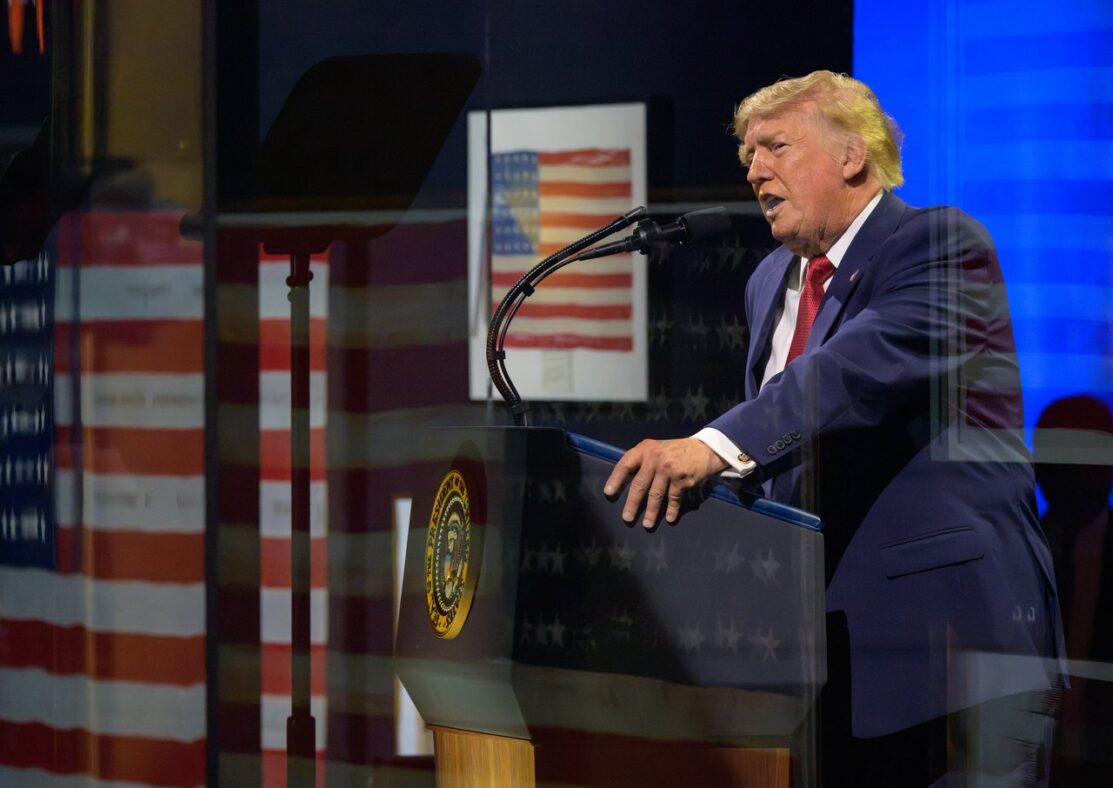
The United States Institute of Peace (USIP) has filed an emergency motion to stop President Donald Trump’s latest attempt to place his name prominently on a historic federal building. On Thursday, USIP officials asked a federal judge to block plans to carve President Trump’s name into the facade of their iconic headquarters in Washington, D.C., signaling a fresh legal challenge amid mounting controversies over the president’s efforts to affix his brand to major public institutions.
Background of the Naming Controversy
The controversy over President Trump’s name on national landmarks is not new. Late last year, the U.S. State Department quietly announced plans to rename or co-brand several federal buildings and cultural institutions with the president’s name, sparking backlash from both lawmakers and the public. The USIP headquarters, known for its distinct modernist architecture and symbolic role in promoting global peace, became one of the latest targets after the State Department included it in the naming initiative.
The USIP’s emergency legal filing comes just months after the Kennedy Center in Washington, D.C. fought off a similar attempt to rebrand its venue with Trump’s name, underscoring a pattern of resistance from institutions wary of politicizing their historic status.
USIP’s Legal Motion and Arguments
In the emergency motion submitted Thursday, USIP’s legal team argues that carving President Trump’s name onto the building’s facade would irreparably damage the institution’s reputation and violate longstanding policies protecting the integrity of federally funded cultural landmarks. The motion stresses that the headquarters’ design and mission are intended to remain politically neutral, promoting peace and diplomacy without partisan influence.
USIP’s lawyers contend that the unilateral naming plan bypassed required congressional approvals and public consultation processes. They assert that the president’s directive threatens to undermine USIP’s credibility both domestically and internationally, a risk that cannot be undone once the physical alteration is made.
Political and Public Reactions
The emergency motion has triggered varied responses in political and public spheres. Republican supporters of President Trump argue that naming buildings after sitting presidents is a tradition that honors their service and legacy. Some conservatives point to Trump’s second term as a justification for marking his impact on federal institutions.
However, many Democrats, bipartisan cultural leaders, and advocacy groups have criticized the move as an inappropriate politicization of national landmarks. Critics highlight that the effort appears self-aggrandizing and distracts from the institutions’ missions. Local leaders in Washington, D.C., and experts on public architecture warn that such branding could set a troubling precedent for future administrations.
Broader Implications for Federal Institutions
This dispute reflects a broader tension over how public spaces and institutions are named and memorialized in the United States, especially under a highly polarized political climate. Federal agencies and cultural organizations traditionally follow established protocols involving congressional authorization and stakeholder input before renaming or dedicating buildings.
The Trump administration’s push to rapidly affix the president’s name without these steps challenges those norms and raises questions about executive authority over national symbols.
Legal experts predict that if the court sides with USIP, it could reinforce protections against politically motivated renaming efforts. Conversely, a ruling in favor of the administration might embolden similar efforts and prompt other agencies to seek branding opportunities tied to political figures.
As the case unfolds, all eyes remain on the federal judiciary to determine whether the USIP’s emergency motion will halt construction plans or pave the way for an unprecedented presidential imprint on a major peace-promoting institution.