President Trump Orders DOJ Not to Appeal Ruling Loosening Firearm Restrictions
President Trump has instructed the Justice Department not to appeal a court ruling easing federal restrictions on certain firearms and silencers.
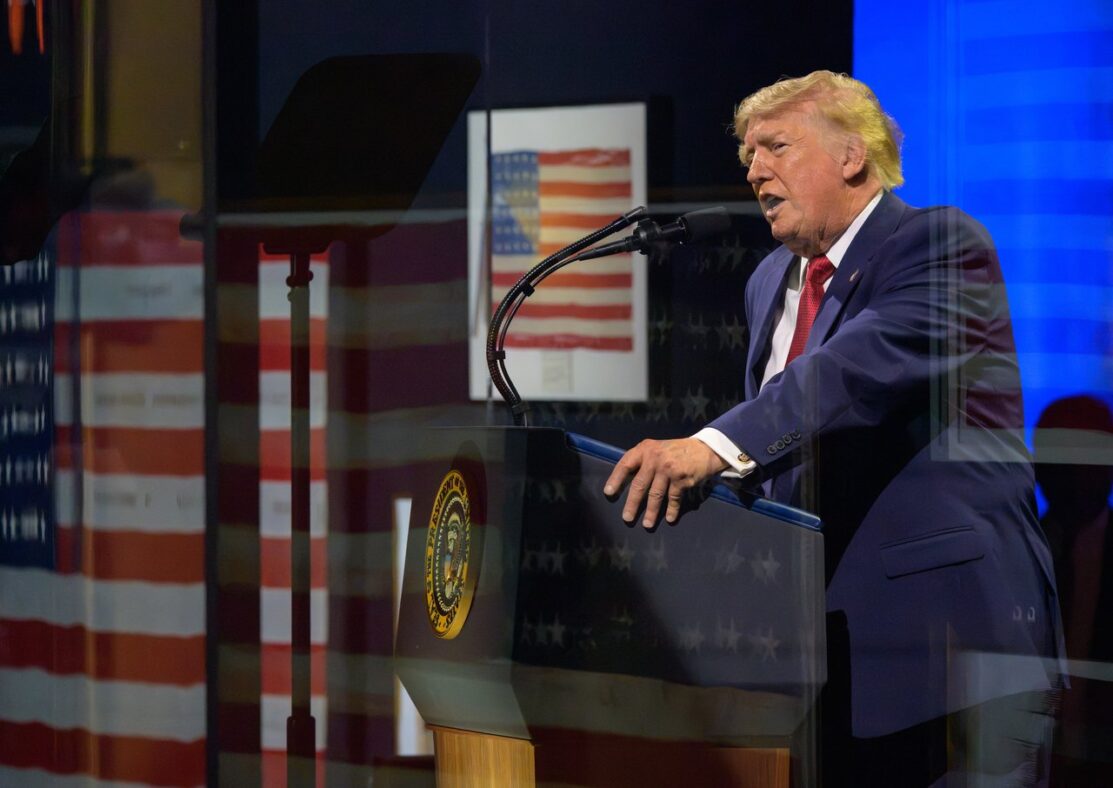
NASA/Bill Ingalls/NASA
President Donald Trump has instructed the Department of Justice (DOJ) not to appeal a recent federal court ruling that loosens restrictions on short-barreled firearms and silencers, a decision that has significant implications for gun laws nationwide, including in North Carolina. The order follows a U.S. District Court mandate in Texas that struck down key provisions of the National Firearms Act (NFA) of 1934, which had regulated these weapons through registration and taxation.
Federal Court Ruling Eases Access to Short-Barreled Firearms and Silencers
On August 24, 2026, Judge James Wesley Hendrix of the U.S. District Court for the Northern District of Texas issued an order that makes it considerably easier to buy and sell short-barreled shotguns, short-barreled rifles, and firearm silencers. The ruling found that key regulatory provisions in the NFA, which imposed registration and tax requirements on these firearms, were unconstitutional because the tax provisions no longer generated revenue after the One Big Beautiful Bill Act of January 2026 set the tax rate on most NFA firearms to zero.
Judge Hendrix wrote that since the tax provisions under the NFA no longer generated revenue, the regulatory framework could not be justified under Congress’s taxing power. Consequently, parts of the NFA’s restrictions were blocked nationwide, paving the way for expanded access to these firearms and accessories.
President Trump’s Directive to the Justice Department
According to sources cited by CBS News, President Trump personally directed the DOJ not to appeal Judge Hendrix’s ruling. This decision represents a significant shift in federal firearms policy during Trump’s second term. The DOJ has confirmed it will not contest the ruling and will instead inform Congress of its intentions.
A Justice Department spokesperson told PEOPLE magazine that the Bureau of Alcohol, Tobacco, Firearms and Explosives (ATF) will soon issue guidance to implement the court’s decision. This guidance is expected to clarify how the ruling will affect firearm sales and ownership nationwide.
White House officials emphasized that individuals prohibited from purchasing firearms under existing federal laws remain barred from doing so, despite the court’s relaxation of NFA regulations. They also affirmed that all federal criminal penalties for unlawful firearm possession will continue to be enforced rigorously.
Implications for North Carolina and Local Communities
The ruling and the administration’s acceptance of it could affect gun ownership and law enforcement in North Carolina, including Wayne and Duplin counties. Short-barreled rifles and silencers, often subject to strict regulation, are now more accessible under federal law, raising concerns among law enforcement officials and gun control advocates about public safety and crime.
Local sheriff’s offices and police departments may need to adjust their enforcement practices in response to the new legal landscape. Meanwhile, gun rights supporters in North Carolina have welcomed the decision as a victory for Second Amendment freedoms.
Congressional Response and Upcoming Deadline
The deadline for the Justice Department to file an appeal to the court’s ruling is October 5, 2026. With President Trump’s directive not to appeal, it appears unlikely that the federal government will seek further judicial review. However, members of Congress may pursue legislative action to address or counter the ruling’s effects.
Some Republican lawmakers have expressed support for the ruling, aligning with the administration’s stance, while Democratic representatives warn that loosening restrictions on so-called “gangster weapons” could exacerbate gun violence.
The DOJ’s upcoming guidance from the ATF will be closely watched by stakeholders across the political spectrum, firearm industry representatives, and public safety officials.
The decision marks a notable development in national firearms policy under President Trump, signaling a continued prioritization of gun rights amid ongoing debates over regulation and public safety.