President Trump Threatens Jail Over California Ballots in Midterm Fight
President Trump warns California officials of jail if they count ballots from alleged noncitizens amid DOJ lawsuit over election integrity.
NASA/John Kraus/NASA
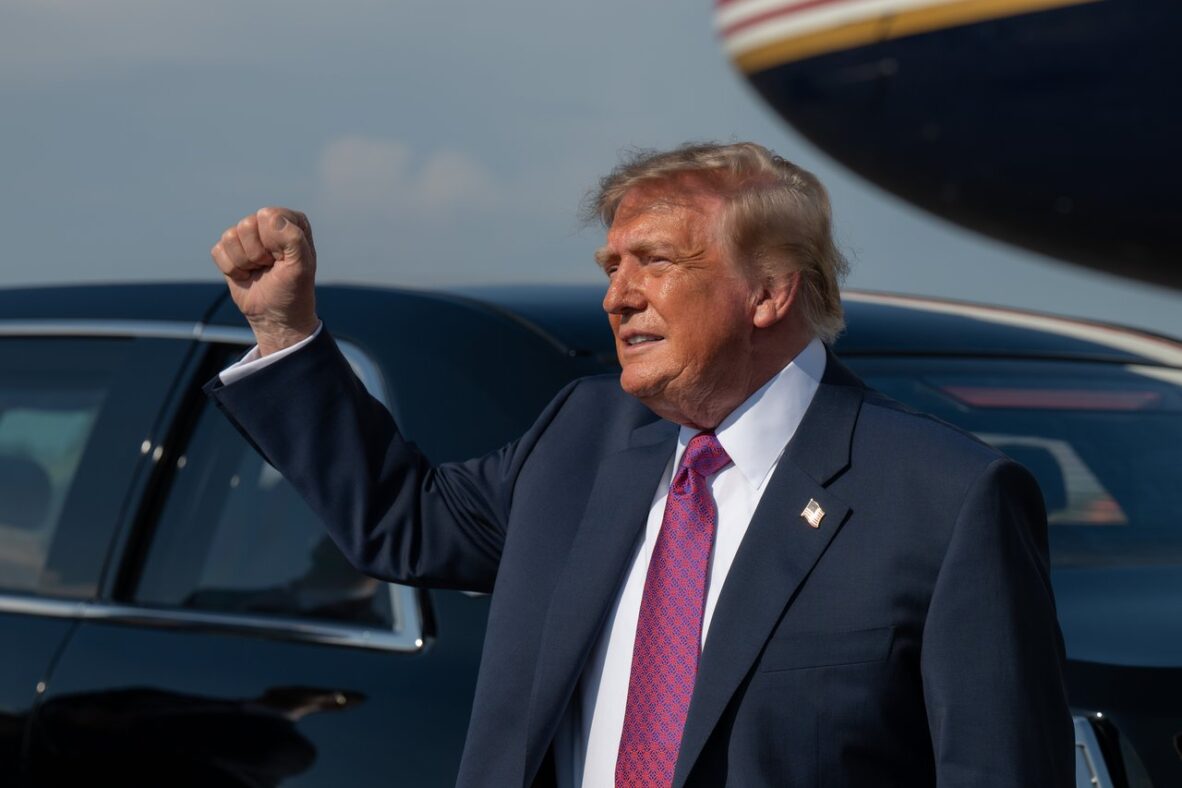
President Donald Trump has escalated tensions over California’s 2026 midterm election by threatening jail time for officials who count ballots cast by individuals the Department of Justice (DOJ) alleges may be noncitizens. This move comes as the DOJ filed a lawsuit against California after the state refused to act on a list of more than 20,000 suspected noncitizen voters.
Trump’s Jail Threat and DOJ Lawsuit
On a Truth Social post, President Trump declared, “They will all go to jail for a long period of time,” referring to California election officials. The post shared a DOJ letter sent to Los Angeles County officials warning them that counting ballots from alleged noncitizens risks federal criminal prosecution. The DOJ’s lawsuit, filed on Thursday, seeks to block California from counting mail-in ballots cast by suspected noncitizens until their citizenship status can be verified.
The DOJ contends California refused to review or discard ballots from individuals on a USB drive containing more than 20,000 names flagged as likely noncitizens. The state was given 48 hours to act after receiving the list on Tuesday but declined, citing concerns over the list’s security and reliability. The department also defended the list’s security, noting it was hand-delivered.
California Officials Respond to DOJ Claims
California Secretary of State Shirley Weber and Los Angeles County Clerk Dean Logan both pushed back against the DOJ’s demands. Weber called the allegations “vague,” stating the National Voter Registration Act prohibits systematic voter-roll removals within 90 days of a federal election. She criticized the 48-hour deadline as “an emergency of the DOJ’s creation” and emphasized that ballots had already been delivered and voting was underway.
Weber wrote, “California’s election administration will continue to be governed by applicable federal and state law, not by unsubstantiated claims and outrageous demands.” She added that if the federal government has proof certain registered voters are ineligible, she would welcome reviewing it but refused to disenfranchise voters based on an unsupported belief about their citizenship. Logan echoed this stance, saying, “We cannot withhold or refuse to count ballots based solely on unverified allegations, nor can we disregard the legal requirements governing our election.”
DOJ’s Position and Legal Arguments
The DOJ’s complaint argues that federal law criminalizing noncitizen voting supersedes California election procedures. It asserts that continuing to count ballots from those suspected noncitizens without verification amounts to “knowingly facilitat[ing] unlawful voting.” Acting U.S. Deputy Attorney General Trent McCotter warned in a letter to Los Angeles County counsel that officials who knowingly tabulate ballots cast by individuals identified as noncitizens risk becoming “aiders and abettors to a federal crime.” The DOJ criticized California’s refusal to accept an “encrypted thumb drive from a federal agent” as demonstrating a “total lack of commitment” to cooperating on election integrity.
Political and Legal Implications Ahead of Midterms
The dispute intensifies the ongoing battle over election integrity just weeks before the midterm elections. President Trump has made election security a key issue, and the DOJ’s aggressive legal approach reflects the administration’s priority to challenge what it sees as vulnerabilities in voting processes.
California officials stand firm on protecting voter rights and the integrity of their election system, resisting federal pressure they view as politically motivated and legally unfounded. The legal battle in the U.S. District Court for the Central District of California will determine whether ballots flagged by the DOJ are counted or withheld pending citizenship verification.
The conflict highlights the tension between federal enforcement efforts and state election autonomy as the nation approaches a critical election cycle.