Rep. Ilhan Omar’s Lawyers Claim Authorities Ignored Judge’s Search Restrictions
Rep. Ilhan Omar’s lawyers accuse federal authorities of violating court limits during her D.C. home search and call it a political attack.
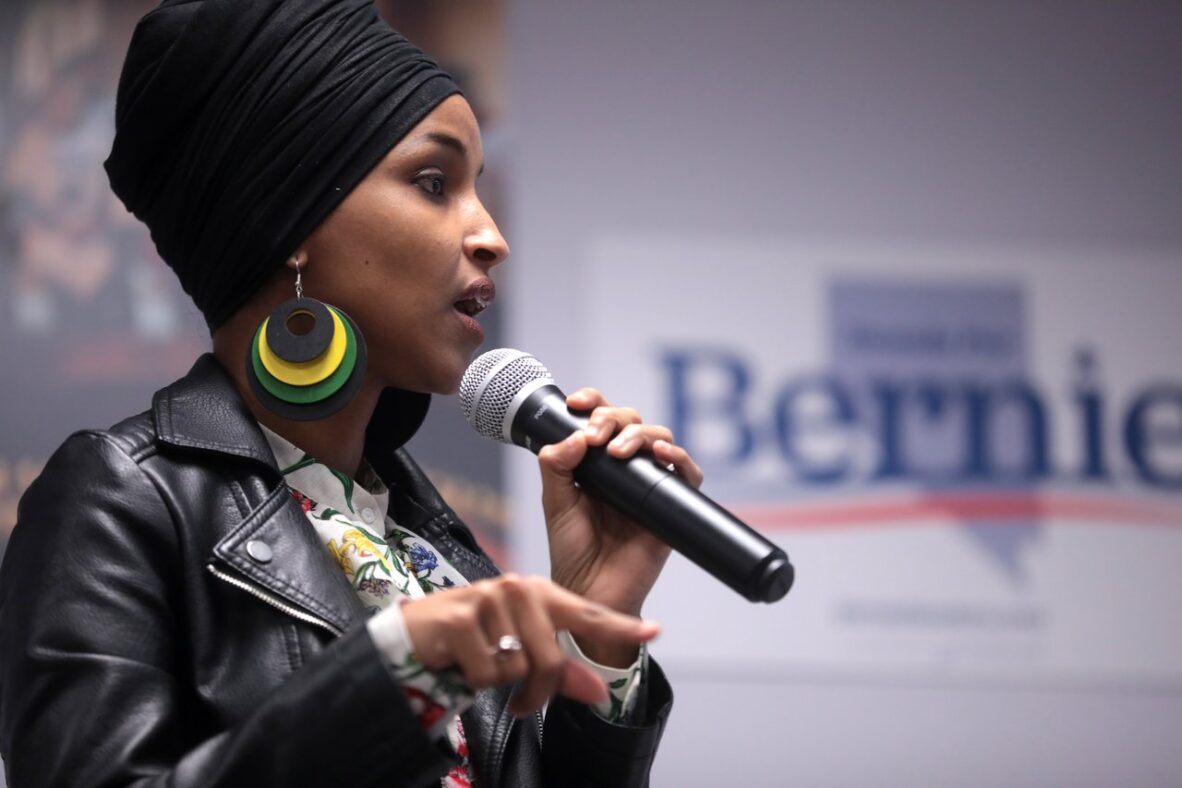
Gage Skidmore from Surprise, AZ, United States of America/Wikimedia Commons
Lawyers representing Rep. Ilhan Omar (D-Minnesota) accused federal authorities on Friday of disregarding court-imposed restrictions during a search of her Washington, D.C., residence earlier this week. The legal team demanded the immediate return of all property seized in the search, arguing that the investigation is a politically motivated effort targeting one of President Donald Trump’s most vocal critics.
Claims of Ignored Court Restrictions
In a letter sent to prosecutors at the Justice Department, attorneys Amy Jeffress and Joshua Matz outlined their allegations that federal agents failed to adhere to specific instructions mandated by a U.S. magistrate judge. The search, which took place on Monday, was subject to conditions including providing Omar’s lawyers with a copy of the warrant and contacting the House Office of General Counsel before executing the search. According to the letter, these steps were not followed, preventing Omar from consulting with congressional legal counsel about legislative materials that might be protected from seizure.
The warrant remains under seal, but several news organizations, including The Washington Post, have petitioned for its release. Sources familiar with the document say the judge, Matthew J. Sharbaugh, limited the warrant’s scope to comply with the Constitution’s speech and debate clause, which protects congressional legislative work from executive intrusion.
Context of the Investigation
The Department of Homeland Security’s investigative branch, Homeland Security Investigations, is probing whether Omar or her family submitted false information on decades-old immigration paperwork to obtain legal status and citizenship. Omar, who was born in Somalia and became a naturalized U.S. citizen in 2000, has vehemently denied any wrongdoing, calling the probe a politically driven attack by the Trump administration.
Her lawyers stated, “There is no legitimate basis for any suggestion that she has violated any law concerning her citizenship status.” They further argued that the Justice Department has pursued politically motivated investigations against opponents of President Trump, despite lacking a proper legal predicate.
Legal and Political Ramifications
The letter from Omar’s legal team is the first formal response to the search and suggests potential legal arguments if charges are filed. It claims agents violated Justice Department policies that discourage public investigative actions involving political candidates to avoid partisan influence. The search occurred as Omar seeks reelection for a fifth term in November.
Agents seized boxes of documents, Omar’s cellphone, and her passport during the search. The lawyers also requested that authorities preserve any video or audio recordings made during the investigation. They allege agents prevented Omar from contacting her legal counsel for over an hour after the search began.
The Justice Department dismissed the accusations, describing the letter as “riddled with false allegations and inaccuracies.” A spokesperson said, “Our attorneys and law enforcement partners complied with all court orders and legal obligations, as they always do.” The Department of Homeland Security deferred questions to the Justice Department.
Constitutional Concerns and Congressional Protections
Before issuing the warrant, Magistrate Judge Sharbaugh expressed concerns about possible constitutional violations, particularly regarding protections afforded to members of Congress under the speech and debate clause. The warrant’s restrictions were designed to prevent executive overreach into legislative materials.
Omar’s attorneys emphasized that these protections were ignored, and the required advisement to Omar about waiving legislative immunity was not given. They contend these missteps violate constitutional rights and undermine the separation of powers.
The case continues to unfold with significant implications for congressional privilege, executive authority, and the intersection of law enforcement with political processes.
The legal dispute adds to the heightened tensions between Omar and the Trump administration as the November election approaches, spotlighting the contentious political climate surrounding investigations into prominent figures.
As of now, no charges have been filed against Rep. Omar, and the outcome of this investigation and its legal challenges remains uncertain.