Republicans Face Warning as Four Safe Seats Shift Toward Democrats Ahead of 2026 Midterms
Four GOP safe seats shift toward Democrats in latest ratings, signaling challenges for Republicans ahead of the 2026 midterms.

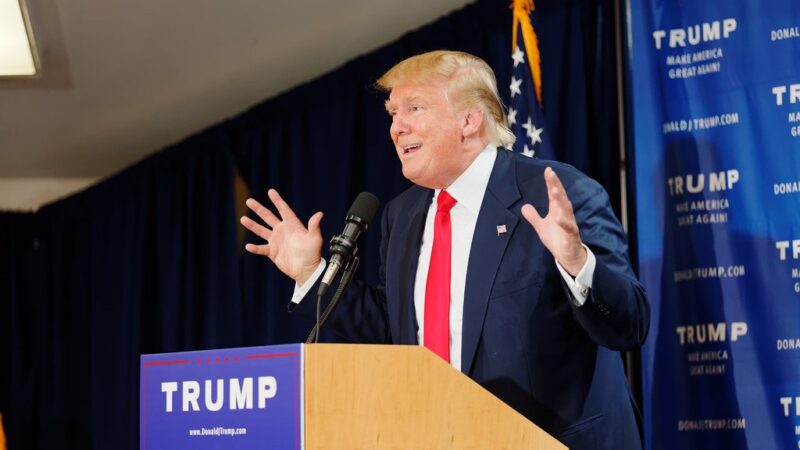
Unknown authorUnknown author/Wikimedia Commons
Republicans are receiving a stark warning as four Congressional districts once considered safe have shifted toward Democrats in the latest Sabato’s Crystal Ball ratings. This shift comes amid declining approval ratings for President Donald Trump and growing Democratic momentum leading into the November 2026 midterm elections.
Shifts in Sabato’s Crystal Ball Ratings Signal Competitive Races
On September 16, Sabato’s Crystal Ball updated its race ratings, moving eight key House contests in favor of Democrats. Notably, four of these seats previously classified as “safe Republican” districts are now rated as “likely Republican” or more competitive, a sign that Democrats are expanding the battleground into traditionally conservative areas.
The affected districts include Arkansas’ 2nd, Nevada’s 2nd, New York’s 21st, and Ohio’s 10th, all of which backed President Trump by double-digit margins in the 2024 election. While Republicans remain favored in these races, the narrowing margins reflect increasing Democratic enthusiasm and voter dissatisfaction with the current administration’s handling of economic issues.
Democrats Capitalize on Low GOP Enthusiasm and Economic Concerns
President Trump’s approval rating has dipped to historic lows amid growing frustration over inflation and the cost of living, factors Democrats are leveraging to gain ground. RealClearPolitics’ latest generic ballot averages show Democrats leading by 8.6 points nationally, their largest advantage this cycle and a nearly two-point increase since last month.
Democratic Congressional Campaign Committee Communications Director Courtney Rice emphasized the public’s growing discontent, stating, “Americans are sick of rising prices and broken promises, and they’re ready to elect Democrats to the House Majority in November.” Meanwhile, Republicans have struggled to rally their base, with efforts such as the recent Texas convention failing to significantly reverse the downward trend in enthusiasm.
Key Districts to Watch in the 2026 Midterms
The districts moving toward Democrats feature diverse political landscapes but share common challenges for GOP incumbents:
- Arkansas’ 2nd District: Republican Rep. French Hill faces Democrat Chris Jones, an engineer and former gubernatorial candidate, in a district that mixes Little Rock’s Democratic leanings with conservative rural areas. Trump won this district by nearly 16 points in 2024.
- Nevada’s 2nd District: A traditionally Republican stronghold that includes much of northern Nevada, now rated as more competitive due to changing voter sentiment.
- New York’s 21st District: A large, mostly rural district where GOP margins are tightening, prompting a downgrade in forecast.
- Ohio’s 10th District: Once considered safely Republican, this district now shows signs of becoming a battleground as Democrats ramp up efforts.
These shifts highlight the possibility of unexpected upsets if Democratic enthusiasm continues to rise and Republican turnout remains subdued.
Political Analysts See Larger Implications for November
Kyle Kondik, managing editor of Sabato’s Crystal Ball, warned that Republicans are facing an “enthusiasm problem” that could jeopardize their slim House majority. With Republicans currently holding 218 seats versus Democrats’ 214 and one independent, flipping just a few seats would give Democrats control of the House.
“Those waiting for a Republican recovery in the polls will have to keep waiting, and the wait may be for Godot,” Kondik wrote. “The post-Labor Day period has seen the Democrats generally doing well in surveys, including an 8.5-point lead in the New York Times/Siena University generic ballot poll.”
House Speaker Mike Johnson, speaking at a Washington press conference on September 15, reiterated GOP confidence but acknowledged the challenges ahead as the party works to mobilize voters and defend key districts.
As November approaches, these shifting ratings underscore the volatile political landscape. Republicans must address voter concerns and reinvigorate their base to hold onto their majority, while Democrats are poised to capitalize on growing dissatisfaction and expand their reach into once-secure GOP territory.