Saudi Arabia Faces Largest Oil Threat as Iran-Backed Houthis Escalate Attacks
Saudi Arabia confronts unprecedented oil production risks as Iran-backed Houthis intensify attacks near vital Red Sea shipping lanes.
Wikimedia Commons
Saudi Arabia is confronting its most serious threat to oil production since the kingdom’s founding in 1932 as Iran-backed Houthi forces in Yemen escalate cross-border attacks and seize strategic territory near the Red Sea’s Bab el-Mandeb Strait, experts warn. These developments in September 2026 have raised alarm over the stability of a critical global oil supply route and the potential for wider regional conflict.
Escalation of Houthi Attacks Targets Saudi Oil Infrastructure
In recent weeks, the Houthis have intensified drone and missile attacks on Saudi oil infrastructure, including a significant strike that forced the temporary closure of the East-West oil pipeline. This pipeline is crucial for transporting oil from the Persian Gulf to the Red Sea port of Yanbu, which facilitates shipments to Asian markets. The increased aggression near the Bab el-Mandeb Strait—one of the world’s most vital maritime chokepoints—threatens to disrupt global oil shipments and heighten tensions in an already volatile region.
Hussain Abdul-Hussain, research fellow at the Foundation for Defense of Democracies, described the situation as “the biggest threat to Saudi oil production since the kingdom was founded.” He emphasized that the Houthis’ territorial gains near the strait could effectively create a blockade, undermining Saudi Arabia’s ability to export oil through the Red Sea.
Iran’s Role and Regional Implications
Experts widely believe Iran has instigated the Houthis’ recent moves as part of a broader strategy to pressure Saudi Arabia and other Gulf oil exporters. With the United States maintaining strict sanctions and a blockade on Iran’s own oil exports, Tehran appears intent on sending a message that either all regional oil producers export, or none will. This has contributed to Iran’s previous efforts to block the Strait of Hormuz and now to the Houthis’ push on the Red Sea route.
Abdul-Hussain highlighted that Iran’s strategy aims to disrupt Saudi Arabia’s oil shipments through the Bab el-Mandeb, which Saudi Arabia began relying on after switching exports away from the Strait of Hormuz. This escalation underscores the geopolitical stakes of control over critical maritime passages and the risk of a broader conflict involving key regional powers.
U.S. Response and Saudi Defense Efforts
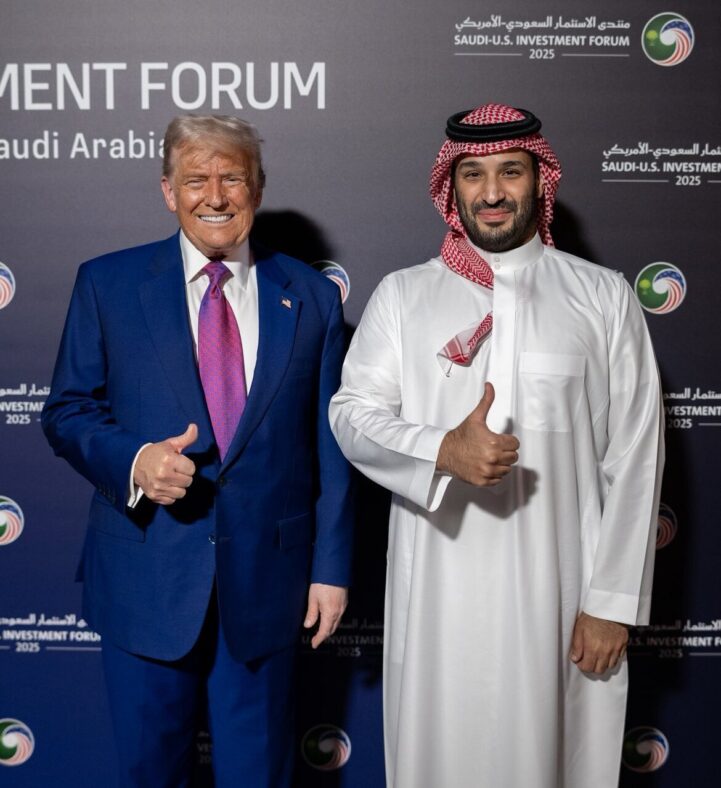
Despite Saudi Crown Prince Mohammed bin Salman urging President Donald Trump to take military action against the Houthis, the White House appears hesitant to engage directly in the conflict. President Trump has stated publicly that the Houthis have communicated they do not seek confrontation with the United States, suggesting Washington will limit its involvement to advisory and support roles rather than direct military engagement.
U.S. officials expect Saudi Arabia to rely on its own military capabilities, bolstered by decades of American arms sales and training, to protect its shipping lanes and oil infrastructure. The Houthis have publicly declared they are targeting only Saudi vessels and navigation, avoiding attacks on international or U.S. shipping, which complicates Washington’s calculus on intervention.
Global Energy Markets on Alert
The heightened threat to Saudi oil exports has sent ripples through global energy markets, with concerns over supply disruptions prompting volatility in oil prices. Analysts warn that prolonged instability around the Bab el-Mandeb Strait could exacerbate supply chain uncertainties, affecting not only regional economies but also global consumers.
Energy experts are closely monitoring the situation, recognizing that any successful Houthi blockade or sustained damage to Saudi infrastructure could have far-reaching consequences for oil availability and pricing worldwide.
As the conflict unfolds, Saudi Arabia, supported by cautious U.S. diplomacy, faces a critical test in safeguarding its oil exports—a cornerstone of its economy and a vital component of global energy security.