Supreme Court Rejects Trump’s Emergency Bid, Clearing Manhattan Prosecutors’ Access to Tax Records
The Supreme Court denies Trump’s emergency request, allowing Manhattan DA to pursue his tax and financial records.
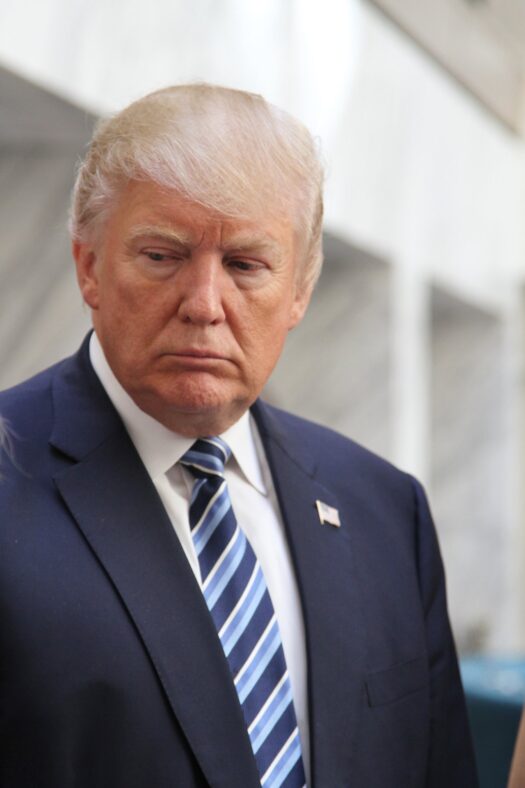
Gedalia Vera/Wikimedia Commons
On September 1, 2026, the U.S. Supreme Court declined President Donald Trump’s emergency application to block access to his tax and business records, effectively removing the last immediate legal hurdle for Manhattan prosecutors seeking those documents. The decision clears the way for the Manhattan District Attorney’s office to obtain years of Trump’s financial records, including personal and corporate tax returns, as part of an ongoing investigation into potential financial misconduct.
Supreme Court’s Role in Trump’s Legal Battle
Trump’s emergency request was a procedural move asking the Supreme Court to halt enforcement of a subpoena targeting his accounting firm while his broader challenges to the investigation continued. The court’s brief order denied this request without a signed opinion or recorded dissents. Though short, the ruling carries significant consequences by allowing prosecutors to access records previously withheld.
This ruling does not make Trump’s tax returns public but permits their confidential review by prosecutors and a grand jury as part of a criminal investigation. The Supreme Court’s denial signals the exhaustion of Trump’s immediate legal options to prevent the subpoena’s enforcement, marking a pivotal moment in a lengthy legal saga.
Background of the Legal Dispute
The fight over Trump’s financial records has spanned over 18 months and multiple court battles. Manhattan District Attorney Cyrus R. Vance Jr. issued a subpoena seeking eight years’ worth of Trump’s personal and corporate tax returns, along with other financial documents, to investigate suspected financial improprieties.
Trump initially challenged the subpoena on presidential immunity grounds, arguing that a sitting president could not be compelled to comply with a state criminal subpoena. However, the Supreme Court rejected that broader immunity claim in July 2026, affirming that no one, including a president, is categorically exempt from such legal processes.
Following that ruling, Trump continued contesting the subpoena, claiming it was overly broad and politically motivated. Lower courts ultimately rejected those arguments, leading to the emergency application to the Supreme Court as a last-ditch effort to delay access to the records.
What Manhattan Prosecutors Are Investigating
Manhattan prosecutors are investigating whether Trump and the Trump Organization manipulated property values on financial statements, which could have implications for lending and tax filings. These allegations focus on potential financial wrongdoing, not proven guilt. The subpoenaed records are considered crucial evidence in determining whether fraudulent practices occurred.
The investigation remains confidential, and the subpoenaed documents are subject to grand jury secrecy rules. The Supreme Court’s ruling allows prosecutors to continue their inquiry without further immediate legal interference from Trump’s team.
Understanding the Emergency Application
Trump’s emergency application to the Supreme Court is a legal tool designed to request rapid court intervention, often to pause or temporarily block a lower court’s ruling. It does not imply a national emergency or confer any special presidential authority.
In this case, the request aimed to prevent enforcement of the subpoena during ongoing legal challenges. The Supreme Court’s swift denial showed that the justices did not find sufficient reason to delay the subpoena’s execution, signaling confidence in the lower courts’ rulings upholding the subpoena’s validity.
Implications Moving Forward
With the Supreme Court’s rejection of Trump’s emergency bid, Manhattan prosecutors are now fully empowered to obtain the requested tax and financial records. This development could accelerate the investigation and possibly lead to further legal actions depending on what the records reveal.
While this ruling does not determine guilt or innocence, it represents a critical step in the ongoing scrutiny of Trump’s financial dealings. The case underscores the judiciary’s role in balancing legal process against claims of executive privilege or immunity.
The legal battle over Trump’s finances remains a closely watched saga with potential wide-ranging political and legal consequences. For now, Manhattan’s investigation moves forward with access to the key documents it has sought for years.