Tesla Ends Cybertruck Production After Disappointing Sales and Quality Issues
Tesla halts Cybertruck production after selling only 70,000 units amid quality problems and political backlash.
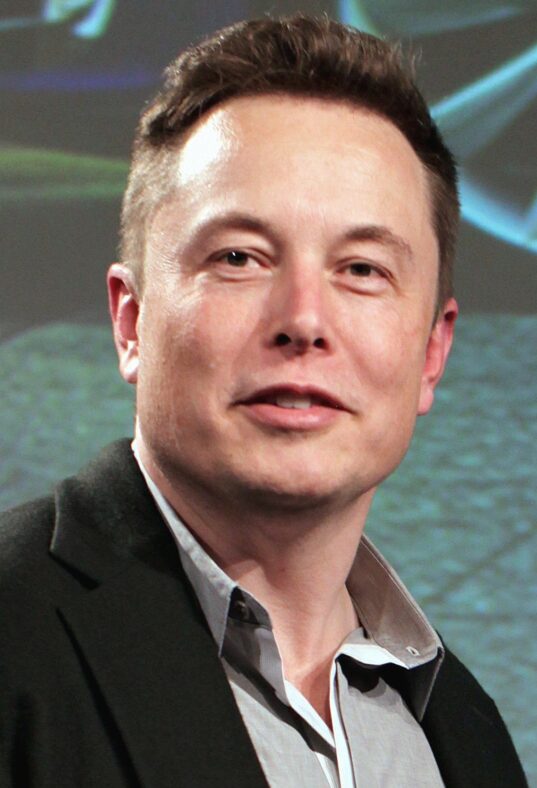
Steve Jurvetson/Wikimedia Commons
Tesla has officially ended production of its controversial Cybertruck, CEO Elon Musk announced on Friday, citing the vehicle’s failure to meet sales expectations and widespread quality issues. Introduced in November 2023 with high hopes of selling 250,000 units annually, the Cybertruck ultimately sold only around 70,000 vehicles before production was halted in favor of a new self-driving taxi project called the Cybercab.
Sales Far Below Expectations
When the Cybertruck launched, Elon Musk predicted it would become a massive hit, with annual sales reaching 250,000 units. However, Tesla managed to sell just around 70,000 Cybertrucks between the vehicle’s release in November 2023 and the recent announcement. The vehicle’s futuristic design and bold concept attracted initial curiosity but failed to translate into sustained consumer demand. Early sightings, such as a matte black model with a “To the Moon” decal in Brooklyn neighborhoods like Williamsburg and Crown Heights, hinted at a niche but limited market.
Quality and Practicality Challenges
Despite its eye-catching exterior and bullet-proof side panels, the Cybertruck was plagued by numerous issues that undermined its appeal. The electric systems were prone to software glitches, with some trucks reportedly shutting down completely when exposed to wet conditions. Its unconventional shape made practical tasks like hauling, loading, or towing difficult. In 2025, Tesla recalled 46,000 Cybertrucks due to a side panel component that fell off in cold weather. Automotive reviewers and mechanics widely criticized the truck for ill-fitting bodywork and poor production quality. While the doors were indeed bulletproof to a limited extent, this feature did little to compensate for the vehicle’s other flaws.
The Cybertruck as a Cultural Symbol
The Cybertruck became more than just a vehicle; it was a statement piece in a turbulent era marked by economic uncertainty and polarized politics. Designed by Elon Musk, the world’s richest person through a mix of government subsidies and viral marketing, the truck embodied a paranoid mix of climate anxiety, gun culture, and video-game aesthetics. The vehicle’s bullet-proof design and aggressive look resonated with a segment of America’s extremist and right-wing subcultures, especially those overlapping with crypto enthusiasts and supporters of former President Donald Trump.
After Musk’s open backing of Trump’s 2024 presidential campaign, including a $300 million investment in a dark money group called America PAC, owning a Cybertruck became a politically charged act. Many owners added pro-Trump and right-wing decals or tinted their windows with American flags to express their alignment. Conversely, some early buyers felt compelled to display stickers reading “I bought this before Elon went crazy” to avoid vandalism.
Elon Musk’s Political Fallout and Corporate Shift
Musk’s political involvement intensified after Trump’s inauguration, when Musk took charge of the Department of Governmental Efficiency (DOGE). The department’s actions included firing thousands of federal employees and dismantling agencies like USAID, which contributed to large-scale humanitarian crises abroad. These moves, combined with Musk’s controversial online rants, alienated many and further tainted the Cybertruck’s image.
With the Cybertruck’s failure clear, Tesla is shifting focus to the Cybercab, a new autonomous taxi concept. This pivot reflects Musk’s pattern of ambitious promises that rarely meet expectations, as seen previously with Tesla’s “Fully Self Driving” feature claims in 2017, which have yet to deliver true hands-free cross-country trips.
The Cybertruck will likely be remembered as a product of its era—a flashy, flawed symbol of tech hubris and cultural division rather than the revolutionary vehicle it aimed to be.
As the final Cybertrucks roll off the line in Texas, many in the automotive world and beyond might quietly cheer the end of an era defined by overhyped promises, political controversy, and questionable quality.