SpaceX Starship Launch Aborted Seconds Before Liftoff as Stock Hits New Low
SpaceX aborts Starship launch seconds before liftoff after engine issues, while shares plunge below IPO price for first time.
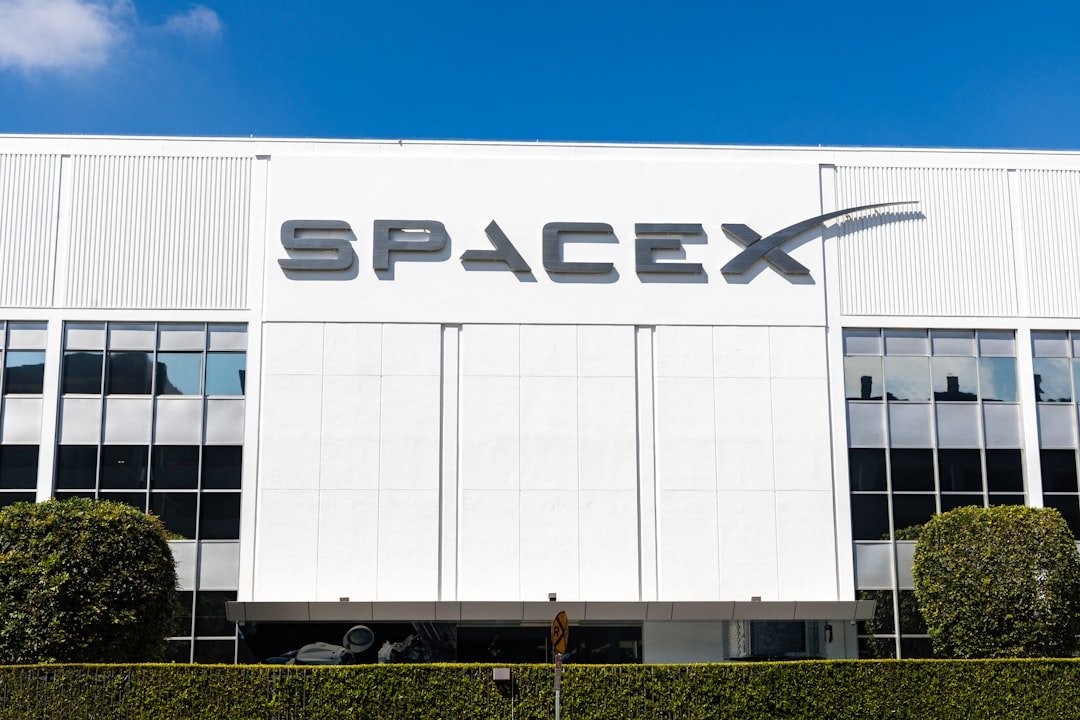
Sven Piper/Unsplash
SpaceX’s much-anticipated Starship launch was abruptly aborted just seconds before liftoff on July 16, 2026, after several engines on the company’s massive Super Heavy booster failed to ignite. The launch attempt, conducted at SpaceX’s Starbase facility in Texas, came amid growing investor unease as the company’s stock price fell below its initial public offering (IPO) level for the first time.
Launch Aborted Due to Engine Failures
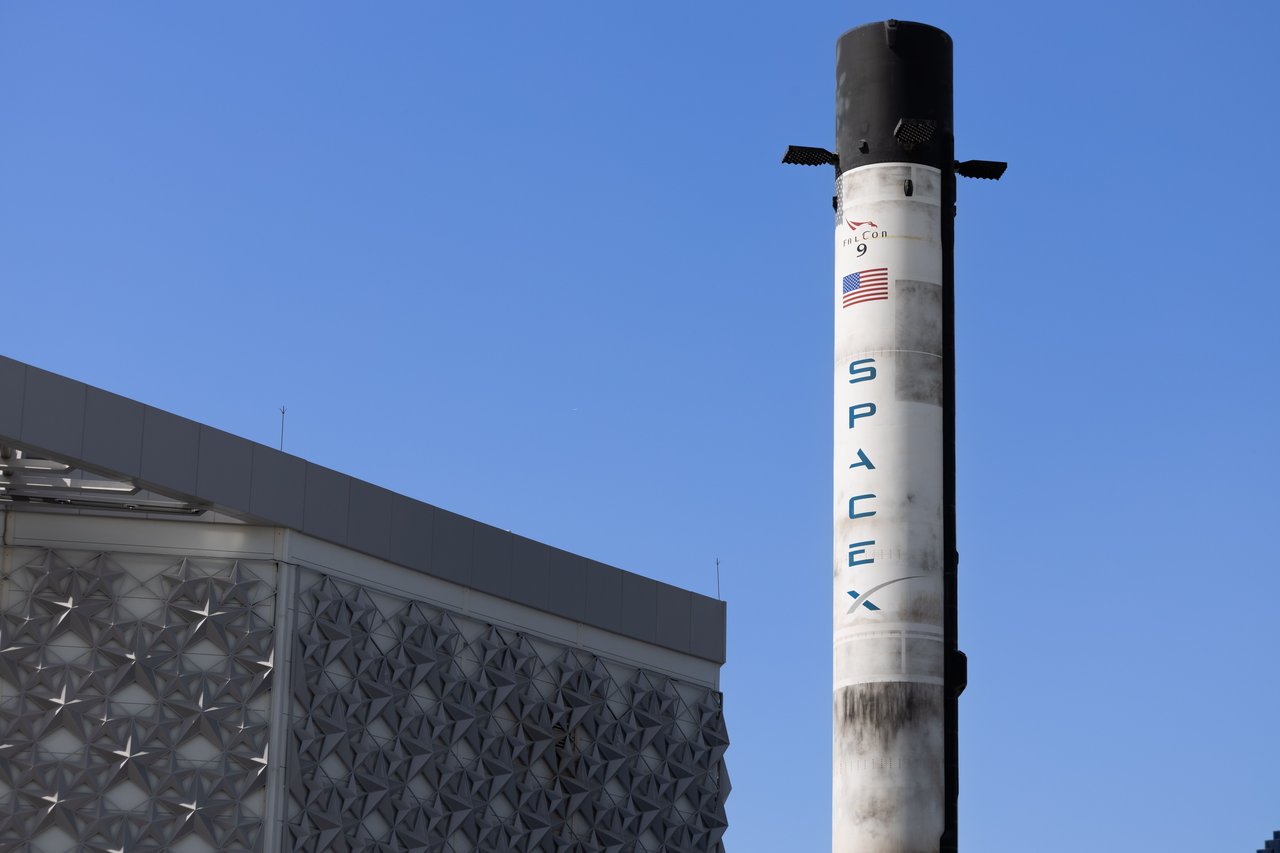
The launch abort was triggered when some of the Raptor engines on the Super Heavy booster did not start, activating an automatic safety shutdown just moments before the rocket was set to lift off. Elon Musk, SpaceX CEO, confirmed on his social media platform X that two of the engines will be removed and replaced to ensure a reliable flight in future attempts.
This launch was notable for carrying the next-generation Starlink V3 satellites, which are approximately twice the size of previous versions and boast more than ten times the capacity. The mission was designed to deploy 20 of these satellites, which would extend solar arrays and antennas, and connect with the broader Starlink constellation via high-capacity lasers. Despite the launch failure, the satellites were scheduled to follow a suborbital trajectory and are expected to burn up upon reentry approximately 20 minutes after deployment.
Stock Price Plunges Below IPO Level

The launch failure coincided with a significant drop in SpaceX’s stock, which slipped below its IPO price of $135 for the first time since going public on June 12, 2026. The shares have fallen nearly 40% over the past month, and in pre-market trading on the day of the aborted launch, the stock declined a further 6%.
SpaceX’s valuation is closely tied to the success of the Starship program, which remains unproven as fully mission-ready despite multiple test flights. The recent stock decline has impacted Elon Musk’s personal net worth, which, according to the Bloomberg Billionaires Index, has dropped from over $1 trillion at IPO to approximately $833 billion.
Starship’s Critical Role for NASA and Starlink
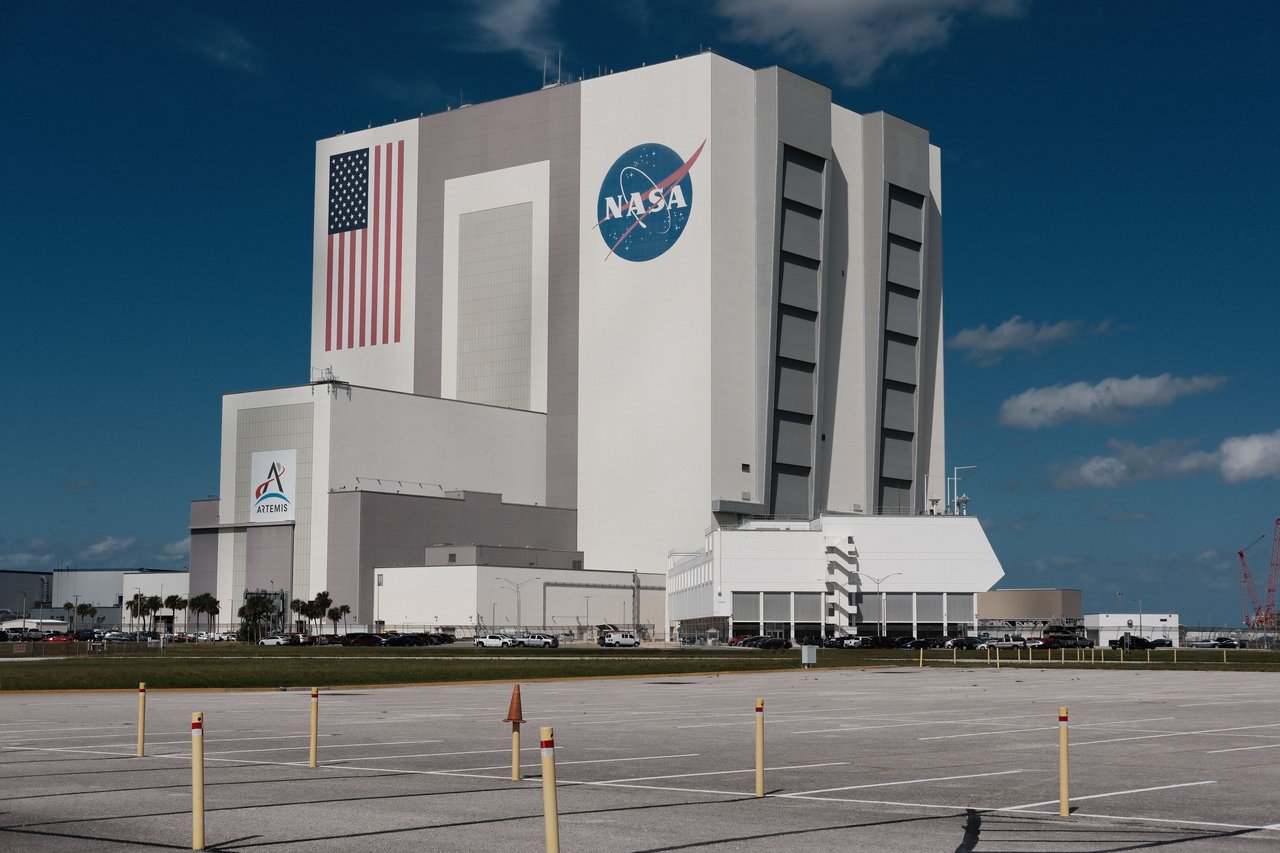
SpaceX’s Starship rocket is central to the company’s ambitious future plans, including a multi-billion-dollar NASA contract to send astronauts to the Moon. Additionally, Starship is expected to play a vital role in expanding SpaceX’s Starlink satellite internet network, which currently generates the majority of the company’s revenue.
The May 2026 Starship launch successfully lifted off and deployed dummy Starlink V3 satellites, but the rocket’s first stage suffered multiple engine failures during descent, causing it to crash into the Gulf of Mexico. This incident prompted the Federal Aviation Administration (FAA) to launch a public safety investigation.
Next Steps and Outlook

SpaceX announced that the next Starship launch attempt could occur as soon as next week, though no exact date has been confirmed. The company is focused on replacing faulty engines and ensuring the reliability of the Super Heavy booster to avoid further setbacks.
Despite the recent challenges, industry analysts note that successful Starship flights will be critical for SpaceX to maintain investor confidence and meet its contractual and commercial goals. Until then, the company faces increasing pressure to demonstrate operational readiness of its flagship rocket.
The Starship program remains a high-stakes venture for SpaceX, balancing technological innovation with the financial realities of public market scrutiny and regulatory oversight.