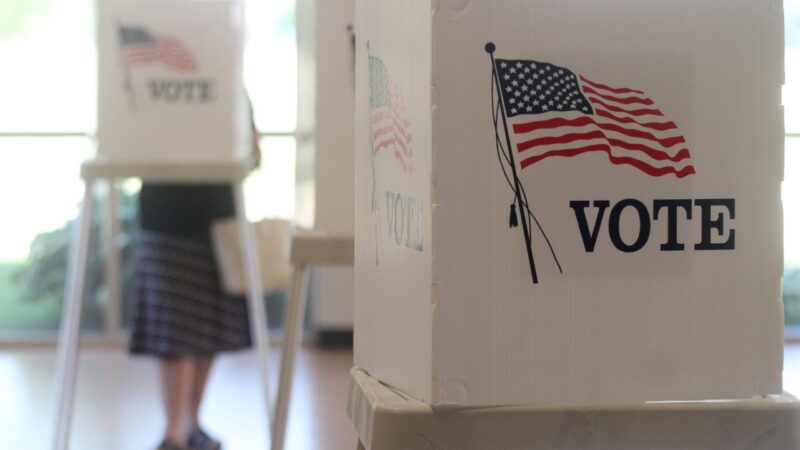
7 Shocking States Losing Home Insurance That Could Trigger Market Chaos
Home insurance cancellations are rising sharply in 7 states, sparking expert warnings of a looming housing crisis in 2026.

Kampus Production/Pexels
Homeowners across the United States are facing a new and troubling reality in 2026: skyrocketing home insurance cancellations. These cancellations are not only hitting budgets but are also threatening the stability of the housing market in key states. Experts warn this could ignite a broader housing crisis if urgent action is not taken. Here are the 7 states where the insurance crunch is most severe and what it means for the future of homeownership.
1. Florida: The Insurance Exodus Amid Rising Climate Risks

Florida leads the nation in home insurance cancellations in 2026, driven primarily by increasing hurricane activity and flood risks. Insurers are pulling back aggressively, fearing mounting claims from severe weather events. Despite the state’s $900 million budget boost toward housing affordability, many homeowners are struggling to secure or maintain coverage. This insurance gap is forcing buyers and sellers to rethink their plans, contributing to growing market instability.
2. Texas: Skyrocketing Premiums and Insurer Withdrawals
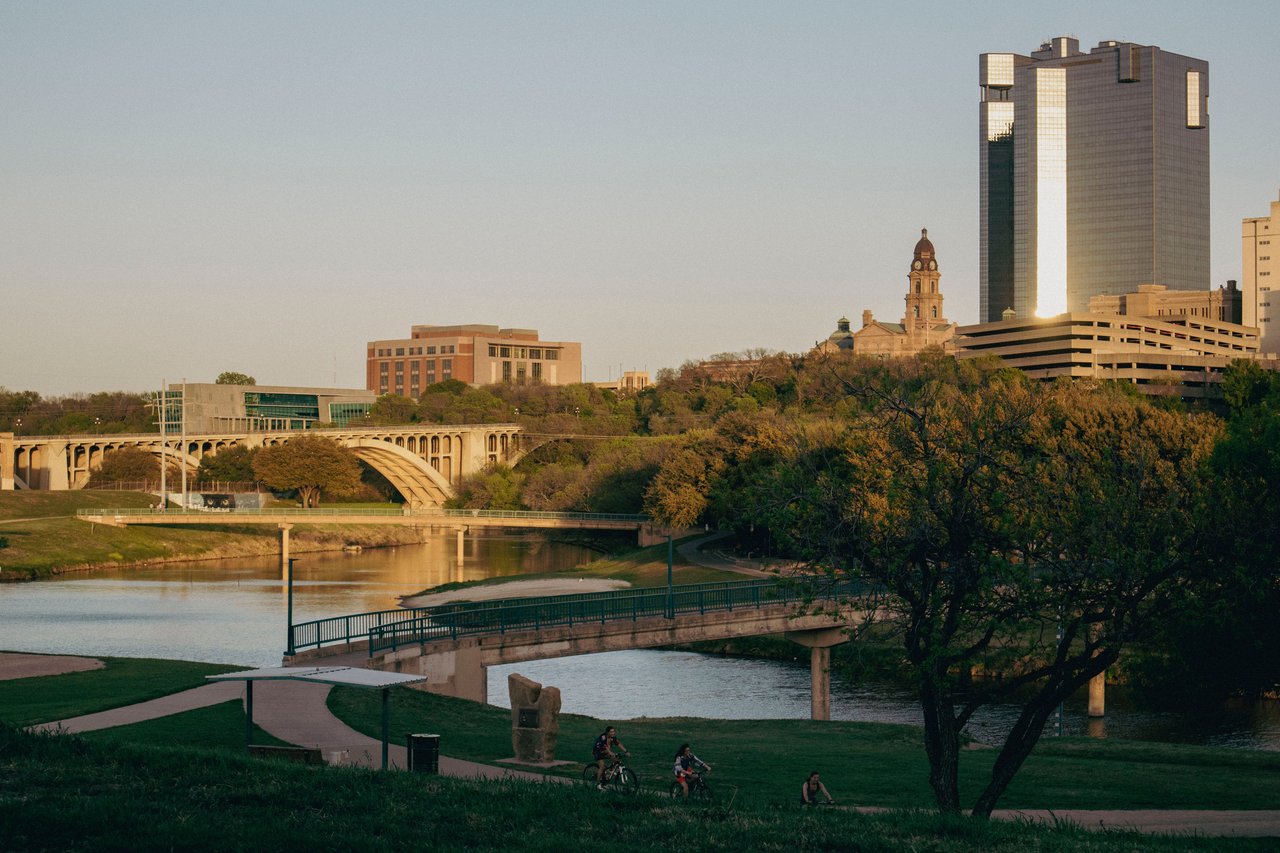
Texas homeowners face some of the highest insurance costs nationwide, with many insurers exiting the market in 2026 due to increased wildfire and hailstorm claims. The state’s rapid population growth and sprawling suburbs exacerbate risks and costs. As insurers tighten underwriting standards, thousands of homeowners are seeing policies canceled or premiums rise by double digits, squeezing affordability and threatening the housing market’s resilience.
3. California: Wildfires Fueling a Wave of Cancellations
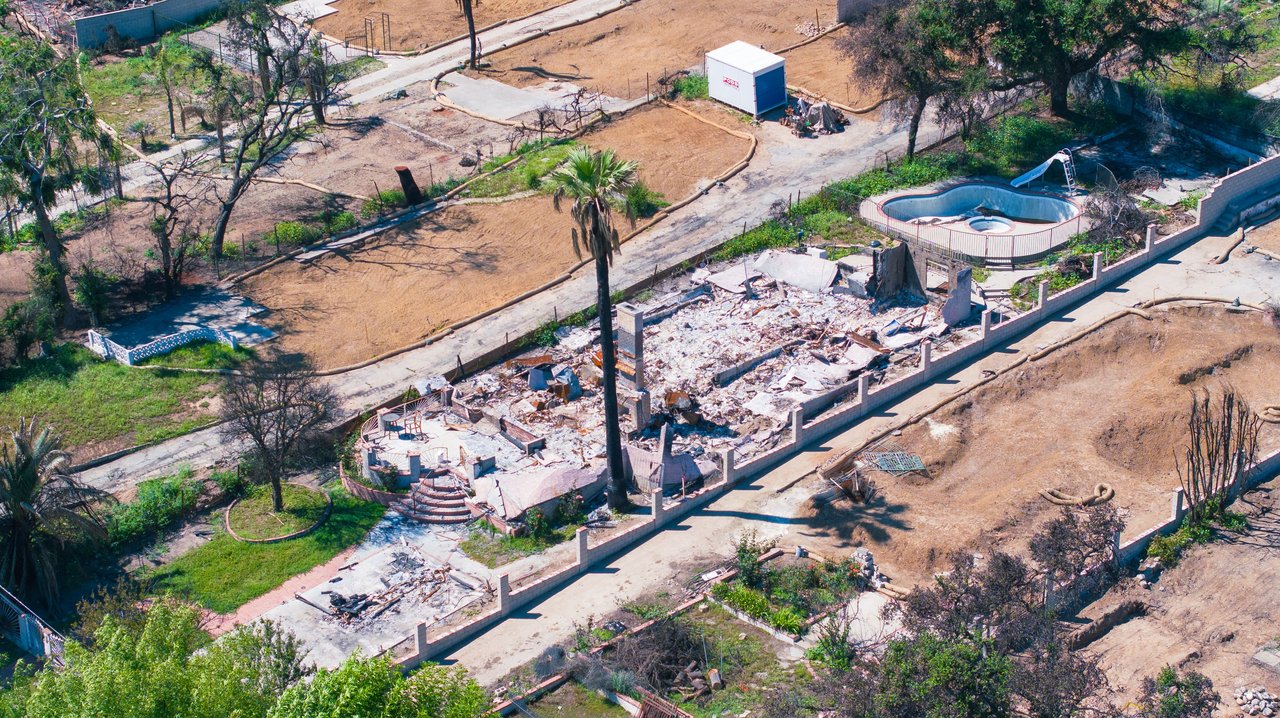
In 2026, California’s wildfire season has intensified, prompting a surge in home insurance cancellations, especially in high-risk zones. Insurers deem many properties uninsurable or demand prohibitively high premiums. This trend is pushing homeowners toward self-insurance or leaving properties uninsured, raising fears of market devaluation and lending challenges that could ripple throughout the state’s housing economy.
4. Louisiana: Hurricane Damage and Market Withdrawal
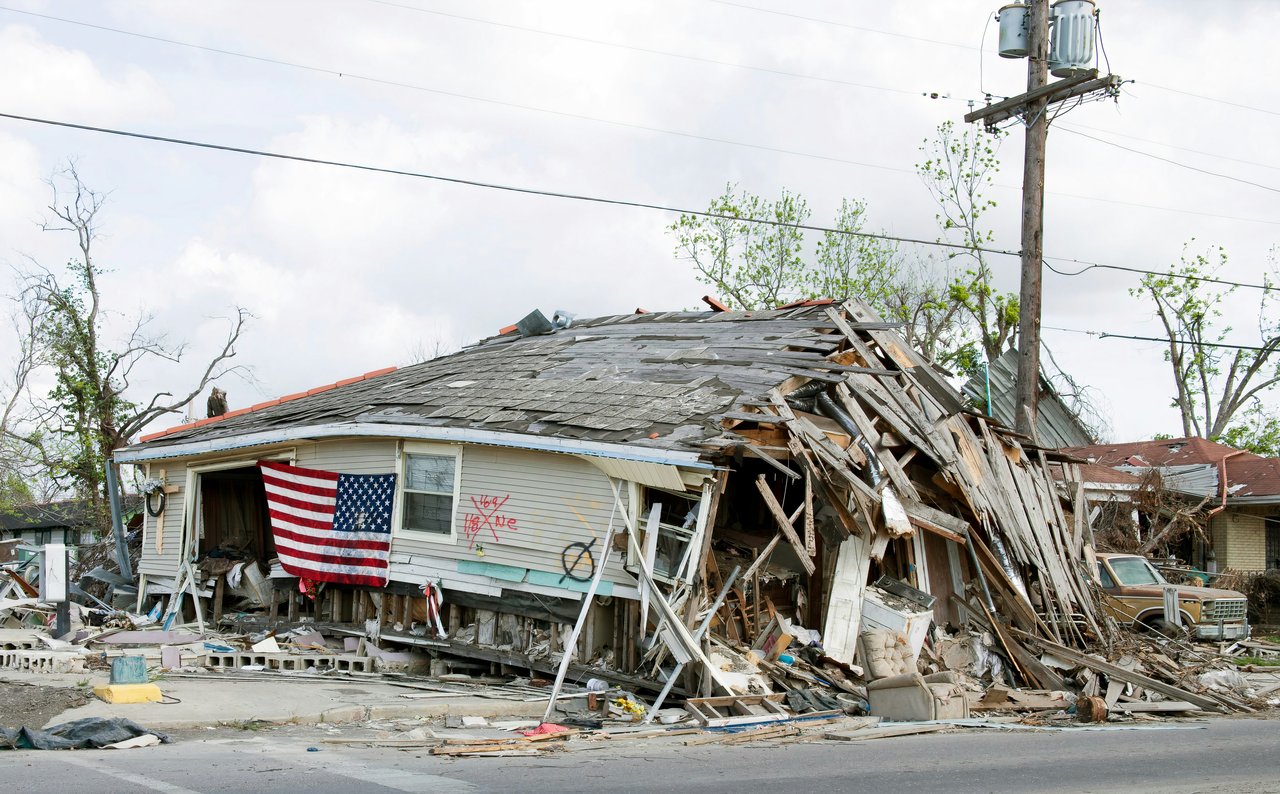
Louisiana’s coastal regions are witnessing a sharp increase in insurance cancellations as repeated hurricane damage exhausts insurers’ risk tolerance. The state’s vulnerability to flooding and storm surges has led many carriers to either leave or severely restrict coverage availability. This leaves many homeowners without viable insurance options, undermining property values and complicating mortgage approvals.
5. New York: Urban Risks and Escalating Insurance Costs
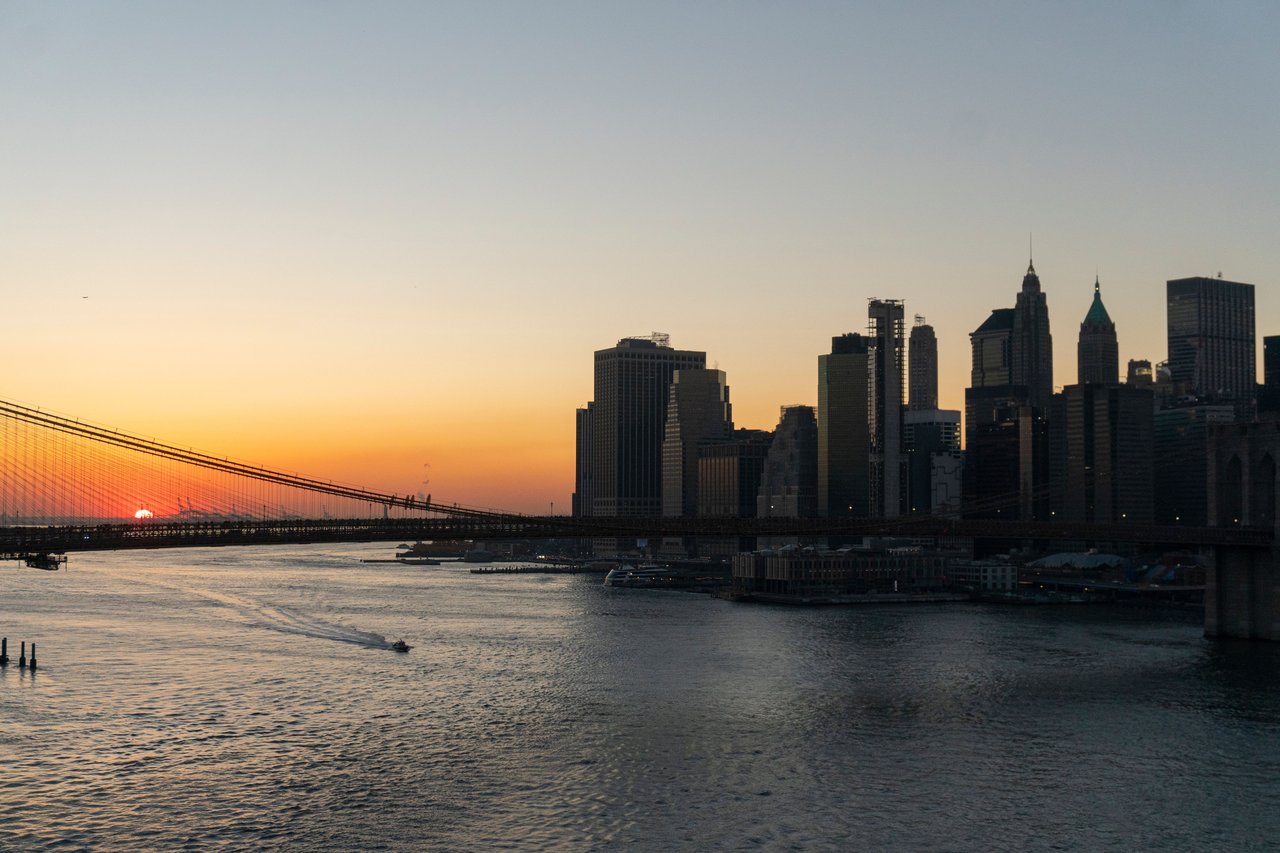
New York is experiencing a less-publicized but critical spike in home insurance cancellations in 2026, particularly in flood-prone and older urban neighborhoods. Rising claims related to extreme weather and aging infrastructure have caused insurers to hike rates or cancel policies. This pressure is squeezing middle-class homeowners and could slow the city’s housing market recovery amid broader economic challenges.
6. Colorado: Wildfire Threats Push Insurers Out
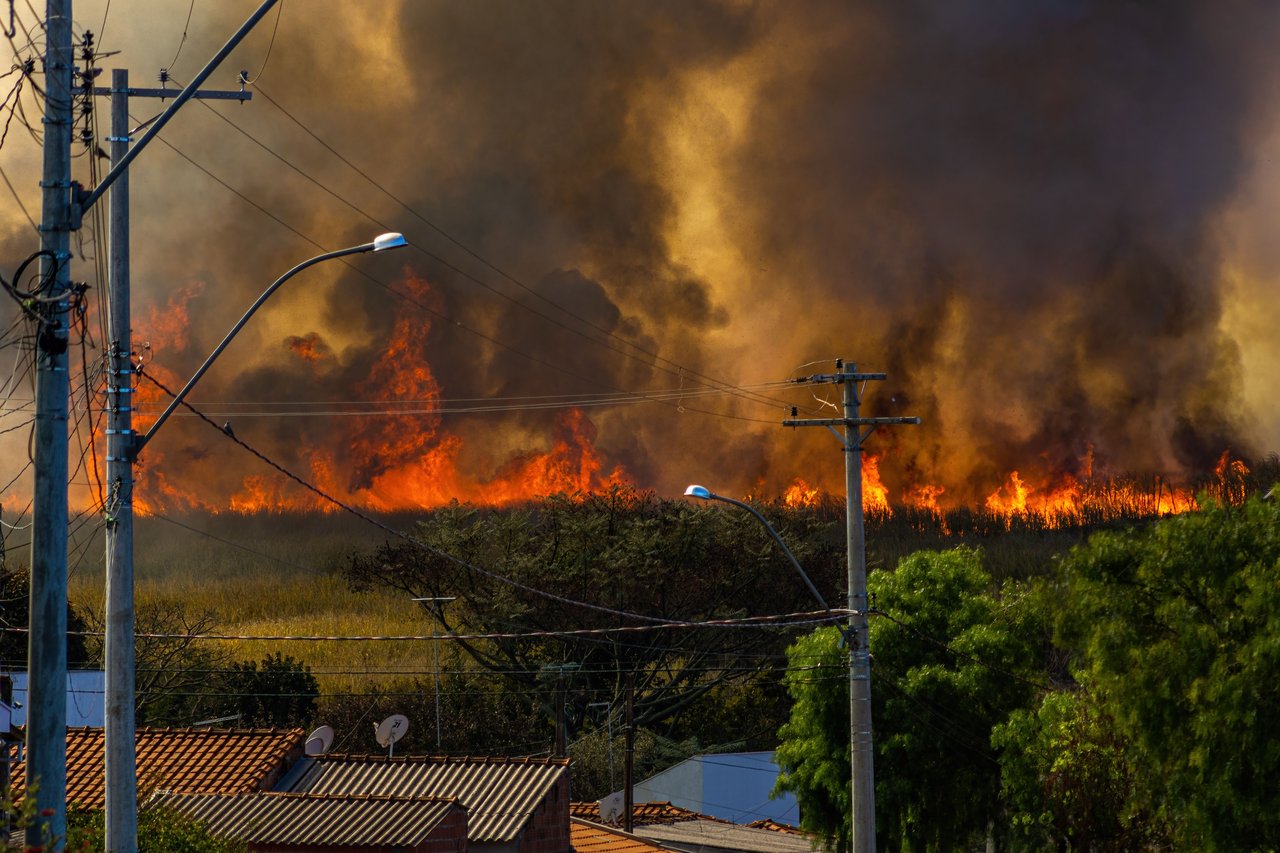
Colorado’s booming housing market is under threat as insurers pull back from wildfire-prone areas in 2026. The increasing frequency and severity of wildfires have led to a wave of cancellations and refusals to renew policies. This has left many homeowners scrambling for coverage alternatives, threatening the affordability and stability of housing in key mountain communities.
7. Oregon: Insurance Market Retreat in High-Risk Zones
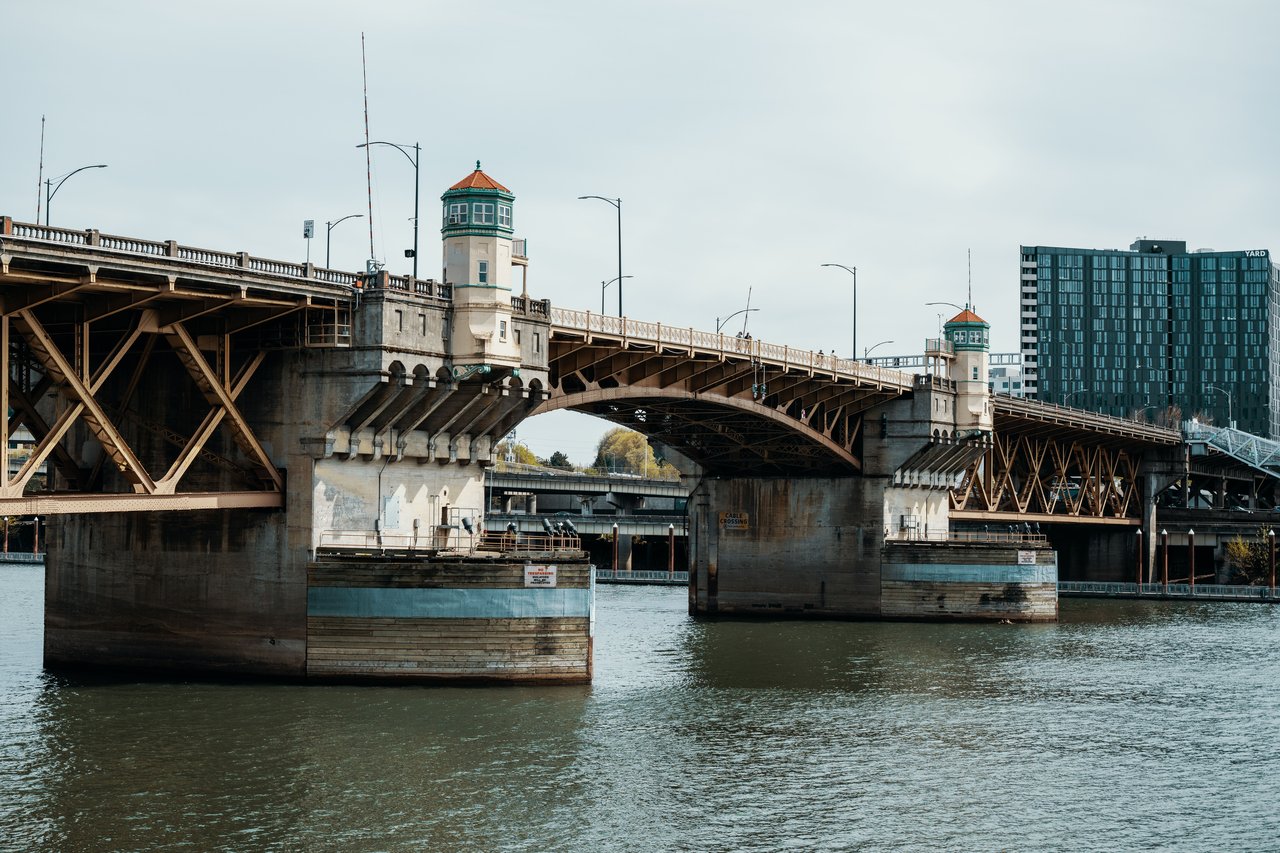
Oregon is facing a growing insurance crisis as insurers retreat from areas vulnerable to wildfires and floods. In 2026, cancellations are rising sharply in both rural and suburban markets, driven by escalating claims and risk assessments. This trend is contributing to a tightening housing market, with buyers hesitant to purchase uninsured properties and lenders becoming more cautious.
The surge in home insurance cancellations across these seven states highlights a growing crisis that could destabilize the broader housing market in 2026. With insurers pulling back, homeowners face rising costs and limited options, potentially sparking a wave of foreclosures and stalled sales. Addressing this challenge requires coordinated policy responses and innovative insurance solutions to protect both homeowners and the market’s health.