Tom Homan Confirms ICE Has No Plans to Sweep Polling Sites in 2026 Midterms
ICE’s Tom Homan tells Fox News there are no plans to conduct immigration sweeps at polling locations during the 2026 midterm elections.
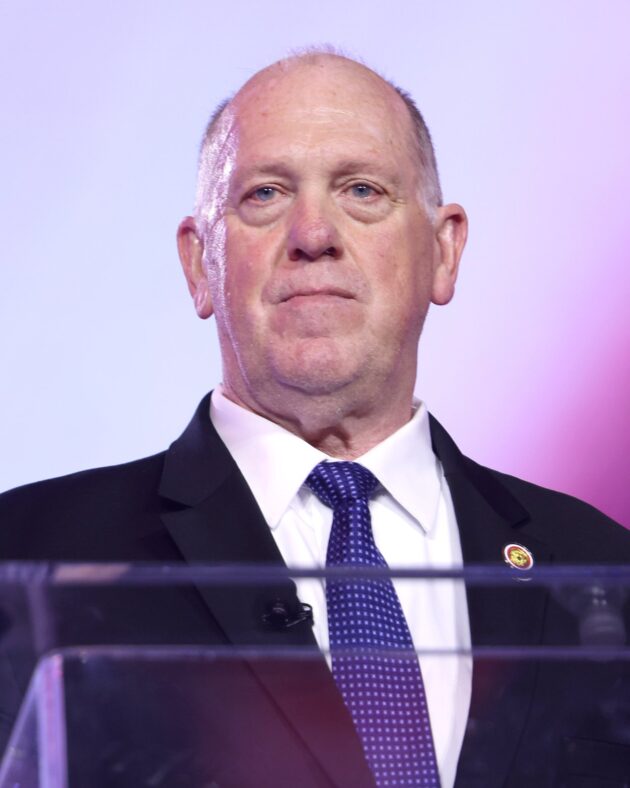
Gage Skidmore/Wikimedia Commons
Tom Homan, the former acting director of Immigration and Customs Enforcement (ICE), clarified on Fox News this past Sunday that there are no operational plans for ICE to conduct immigration enforcement sweeps at polling locations during the November 2026 midterm elections. The announcement challenges widespread fears and political claims suggesting that ICE might target voters at the polls.
Homan Addresses Claims of ICE Raids at Polling Places
During an interview on Fox News’ The Sunday Briefing, anchor Jacqui Heinrich raised concerns about allegations that ICE would be raiding polling stations to detain noncitizens. Homan firmly denied these claims, stating, “I have not seen any operational plans or discussions on any immigration enforcement operation at polling places.” He described these allegations as fear tactics and attempts to undermine ICE and the Trump administration’s commitment to election integrity.
Homan emphasized that there is no agenda to intimidate voters or conduct enforcement actions at polling sites, calling the rumors “just another attempt to smear ICE.” His remarks were met with visible surprise from Heinrich, who acknowledged that this clarification strikes at the heart of ongoing legal battles involving Latino civil rights groups concerned about voter intimidation.
Legal Context and Civil Rights Concerns
The controversy surrounding ICE’s presence at polling locations stems in part from a Civil War-era law that prohibits the deployment of armed forces or officials at election sites. Several Latino advocacy organizations have cited this law in lawsuits that argue the mere threat of ICE enforcement at polls creates a chilling effect on voter turnout, particularly among immigrant communities.
Heinrich asked Homan if even the threat of enforcement could suppress voters, to which Homan replied that ICE professionals operate with discretion and avoid sensitive locations such as churches, hospitals, and polling places. He stressed that enforcement actions are reserved for serious criminal or national security threats, not routine immigration checks at voting sites.
ICE’s Enforcement Approach and Election Integrity
Homan highlighted that ICE’s approach remains focused on professionalism and targeting significant public safety threats. He pointed out that in recent years, there has been no recorded instance of ICE conducting enforcement actions at polling places or other sensitive locations. This stance aligns with the Trump administration’s stated goal of ensuring fair elections without compromising voter access or safety.
He further noted that President Donald Trump’s administration supports election integrity measures, including voter ID laws and proper election monitoring, but opposes tactics that could intimidate or deter lawful voters. Homan’s comments aim to reassure the public that immigration enforcement will not interfere with the democratic process during the 2026 midterms.
Reactions and Implications for the Midterms
Homan’s clear denial of ICE plans to sweep polling places could influence public perception and legal arguments surrounding election security and voter rights. Latino civil rights groups and Democratic leaders who have expressed concerns about enforcement actions at polls may need to reconsider the basis of their claims in light of these statements.
Meanwhile, Republicans and supporters of President Trump may view this announcement as validation that the administration seeks to balance immigration enforcement with protecting voters’ rights. With the midterms approaching in November 2026, ensuring public confidence in the fairness and safety of elections remains a critical issue across North Carolina and the nation.
As election day nears, voters and advocacy groups alike will be watching closely to see if ICE maintains this stance and refrains from any enforcement activities near polling sites. For now, Tom Homan’s remarks provide a significant update that challenges narratives about potential voter intimidation linked to immigration enforcement.
The 2026 midterm elections continue to be a focal point for discussions about election integrity, voter access, and immigration policy, especially in states like North Carolina that play a pivotal role in national politics.