IRGC Soldiers Killed in Intense Clashes with Militants in Southeastern Iran
Iran’s IRGC and Baluch militants fought nine hours of fierce gunfire in Saravan, leaving soldiers and militants dead amid escalating regional tensions.
Hossein Zohrevand/Wikimedia Commons
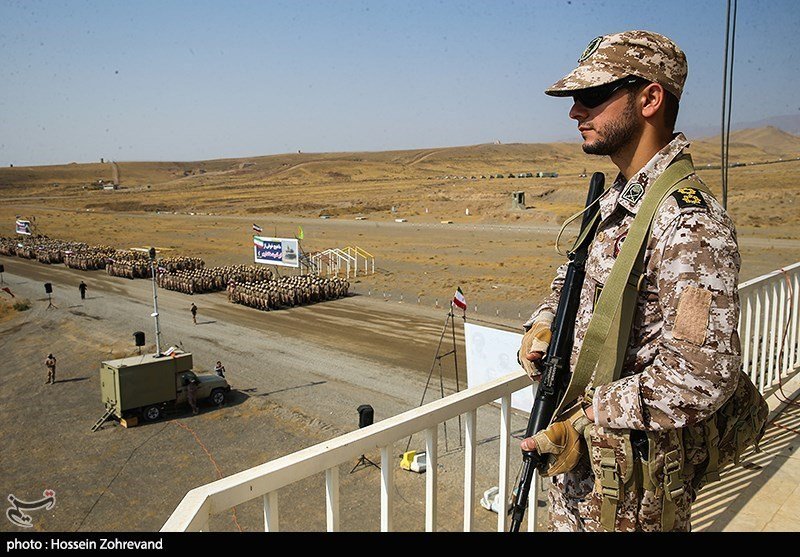
Soldiers from Iran’s Islamic Revolutionary Guard Corps (IRGC) were killed during rare, prolonged clashes with armed Baluch militants in the Bakhshan district of Saravan, located in southeastern Iran’s Baluchistan province. The gunfire erupted early on Saturday, September 12, 2026, and continued for approximately nine hours, turning rural neighborhoods into a war zone.
Details of the Clashes in Saravan
The confrontation began around 4 a.m. and involved hundreds of IRGC personnel, police, and intelligence forces engaging with militants identified as members of the newly formed Popular Fighters Front. Residents reported heavy use of weapons, including rocket-propelled grenades (RPGs), and drone surveillance to track militant positions. The combat led to significant destruction, including homes hit by RPG rounds and ambulances rushing to assist the wounded.
According to the IRGC’s Quds Base ground forces, the operation targeted a “professional terrorist team” plotting assassinations in Saravan. The IRGC confirmed that two of its soldiers were killed and several militants were killed or captured, with large caches of weapons, ammunition, and explosives seized during the raid.
The Role of the Popular Fighters Front and Militant Dynamics
The Popular Fighters Front, a coalition announced late last year by the Sunni militant group Jaish al-Adl, claimed responsibility for the clashes. The group said Iranian forces attacked one of its units, prompting reinforcements to break the initial siege and extract some fighters. They reported four of their members killed and six successfully withdrawn, while claiming to have inflicted nine fatalities and 21 injuries among security forces.
Jaish al-Adl, designated a terrorist organization by both Iran and the United States, has long operated in this volatile region. Its formation traces back to 2012 as a successor to Jundallah, notorious for cross-border attacks and kidnappings. The Popular Fighters Front aims to intensify the armed resistance against Iran’s clerical leadership, especially in the marginalized Baluchistan province.
Context of Unrest in Sistan and Baluchistan Province
Sistan and Baluchistan is among Iran’s most impoverished and restive provinces, marked by ethnic tensions and economic hardship. It serves as a critical smuggling corridor and has witnessed repeated violent clashes between security forces and local groups. Human rights observers highlight systematic discrimination against the ethnic Baluch population, with disproportionate casualties and executions reported during confrontations.
The province was a flashpoint during the nationwide protests following the death of Mahsa Amini in 2022. The crackdown in Zahedan, the provincial capital, resulted in the deaths of over 100 demonstrators, according to local activists. The unrest was further inflamed by accusations against regional security officials, including an alleged sexual assault of a teenage Baluch girl in the port city of Chabahar.
Ongoing Security Situation and Aftermath
Despite the cessation of the main battle on Sunday, residents reported renewed one-sided gunfire near military posts in Bakhshan, as security forces remained heavily deployed and access to the battle sites was restricted. The situation remains tense with roads blocked and security operations continuing amid fears of further escalation.
The latest confrontation underscores the persistent volatility in Iran’s southeastern border regions and the continuing armed resistance by Baluch factions against the Islamic Republic’s control. Observers caution that without addressing the underlying ethnic and economic grievances, such violent episodes may continue to flare.
As Iran grapples with internal unrest and external pressures, the deadly clashes in Saravan highlight the challenges facing the regime in maintaining stability in its most marginalized provinces.