Top House Democrat Says Kimberly Guilfoyle Should Be Removed if Lobbying Allegations Are True
Rep. Gregory Meeks urges removal of U.S. ambassador Kimberly Guilfoyle amid scrutiny over lobbying ties with Greek firm Aktor.
Gage Skidmore/Flickr
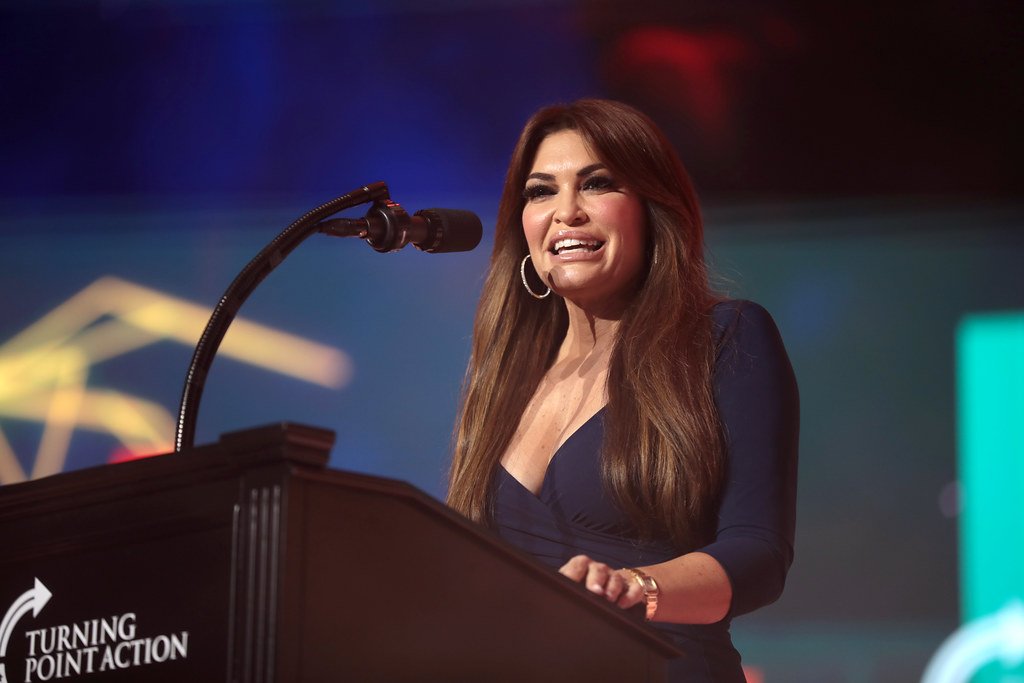
Rep. Gregory Meeks, the leading Democrat on the House Foreign Affairs Committee, has called for the removal of Kimberly Guilfoyle as U.S. ambassador to Greece if the recent allegations involving her work with a lobbyist for Greek infrastructure company Aktor prove to be accurate. This demand follows congressional inquiries and media reports raising questions about Guilfoyle’s conduct while promoting energy projects linked to Aktor.
Congressional Scrutiny and Requests for State Department Review
On October 1, Rep. Meeks sent a letter to Secretary of State Marco Rubio seeking detailed information about Guilfoyle’s interactions with Christos Marafatsos, a registered lobbyist for Aktor. The letter questioned whether Marafatsos was authorized to attend official government meetings alongside the ambassador and whether foreign officials were informed about his commercial affiliation. Meeks emphasized that Guilfoyle should be removed if the allegations hold true but did not assert that she had broken any laws or department rules. Meanwhile, Sen. Jeanne Shaheen of New Hampshire, the top Democrat on the Senate Foreign Relations Committee, independently requested a review of potential misuse of Guilfoyle’s official position and steps the State Department might take to prevent conflicts of interest.
Lobbyist’s Role in Official Diplomatic Engagements
Marafatsos, who is not a State Department employee, has been involved in multiple meetings with Guilfoyle and foreign officials, sometimes leading participants to mistake him for her chief of staff. He is a registered lobbyist paid $160,000 through June 2026 by Aktor to establish connections with various U.S. government entities, including the State Department. A photograph published by The Wall Street Journal showed Marafatsos seated next to Guilfoyle during an April meeting with Bulgarian President Iliana Iotova. The presence of a paid lobbyist at official diplomatic meetings without clear disclosure is at the heart of lawmakers’ concerns.
Energy Projects and Alleged Diplomacy Efforts
Guilfoyle has been a proponent of the Vertical Gas Corridor, a strategic network aimed at transporting American liquefied natural gas (LNG) through Greece, Bulgaria, Romania, and beyond to reduce European dependence on Russian energy supplies. Aktor participates in this initiative through its joint venture Atlantic-SEE LNG Trade with DEPA Commercial, a Greek state-backed energy company. Guilfoyle reportedly promoted Aktor and related projects during multiple official engagements in Southeast Europe, raising questions about the appropriateness of her close association with a company lobbyist.
Additional Allegations and Congressional Concerns
In addition to the lobbying issues, Meeks cited reports that Guilfoyle made comments at a March dinner suggesting that the United States could influence political changes in other countries, including Romania and Greece. These remarks, attributed to an attendee, implied the potential collapse of Romania’s government and similar instability in Greece. Meeks asked the State Department whether these statements reflected official U.S. policy. Furthermore, Meeks requested disclosure of any financial interests Guilfoyle might have in the businesses involved, though none have been publicly established.
State Department and Embassy Response
A U.S. Embassy official in Greece denied any ethical breaches by Guilfoyle, affirming that she adhered to State Department ethics guidelines. Secretary of State Marco Rubio also defended her, describing Guilfoyle as an effective advocate for President Donald Trump’s agenda. The congressional inquiries remain ongoing, with the State Department tasked with determining whether further internal review or action is necessary based on the evidence provided.
As the investigation progresses, the outcome may have significant implications for diplomatic ethics and the conduct of U.S. ambassadors abroad, particularly regarding their relationships with commercial interests and lobbyists.