Trump’s False Claim About Winning California Flatly Debunked Again
President Trump falsely insists he would have won California if not for a ‘crooked’ system, despite overwhelming evidence to the contrary.
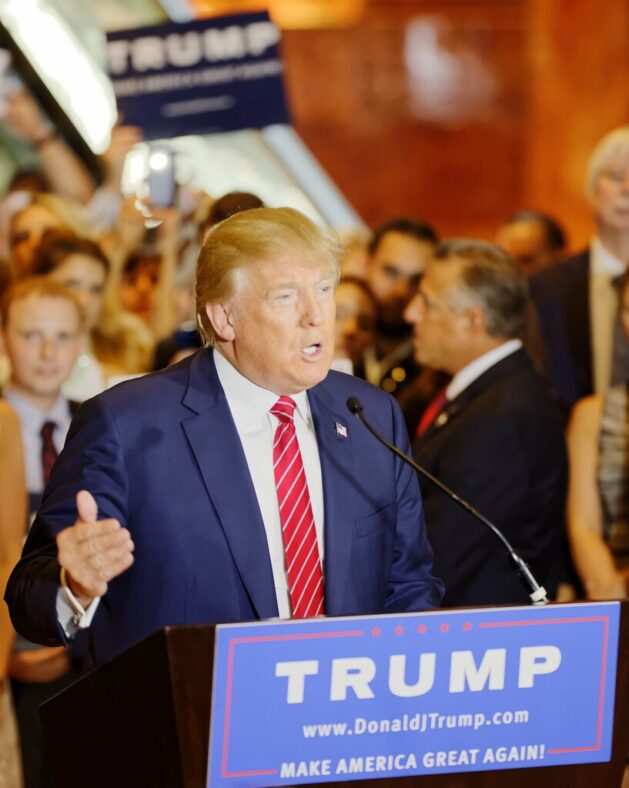
Michael Vadon/Flickr
On Wednesday, President Donald Trump once again asserted that he would have won California in the 2026 presidential election if the state’s election system were honest. This claim, widely debunked by independent fact-checkers and election experts, continues to fuel controversy despite clear evidence disproving it.
President Trump’s Claim on California’s Election Integrity
During a public statement, President Trump said, “California’s a very crooked election system, and if we had an honest election, Republicans would win. I would have won.” He emphasized that despite receiving millions of votes, the state’s alleged dishonesty prevented his victory. This is not the first time President Trump has made this assertion; he has repeated variations of this claim multiple times since the 2026 election cycle began.
Fact-Checkers and Experts Disprove the Claim
Multiple sources, including CNN’s lead fact-checker Daniel Dale, have thoroughly debunked President Trump’s allegation. California’s election results show that no Republican presidential candidate has won the state since George H.W. Bush in 1988. In the 2026 election, President Trump lost California by a margin of approximately 20 points, translating to over three million votes behind the Democratic opponent. In prior elections, his losses were even more considerable—29 points in 2020 and 30 points in 2016.
Election experts emphasize that California’s voting system, which includes extensive mail-in ballots, undergoes rigorous security and verification processes. The state’s consistent Democratic lean in major statewide elections—including gubernatorial and presidential races—reflects voter demographics and political trends rather than any systemic corruption or fraud.
Republican Performance in California and Broader Political Context
The Republican Party’s difficulty in winning California is well documented. No Republican has succeeded in a major statewide election since Arnold Schwarzenegger’s gubernatorial victory in 2006. The state’s political landscape has evolved significantly, with a growing, diverse electorate strongly favoring Democratic candidates. President Trump’s claims often focus on mail-in voting, which he has criticized vehemently, despite reportedly using mail ballots himself on occasion.
The broader national political environment under President Trump’s second term sees Republicans holding the White House, Senate, and House. Yet, California remains a Democratic stronghold, with Governor Gavin Newsom and other state leaders continuing to dismiss claims of election rigging as baseless and an affront to voter trust.
Public Reaction and Political Fallout
President Trump’s continued repetition of this disproven claim has drawn sharp criticism from various quarters. On social media platforms like X, critics have labeled the statement as one of the most “ludicrous lies” of his political career. California Governor Gavin Newsom openly mocked the president for his refusal to accept election results, calling it a “sore loser” stance that undermines democratic norms.
These developments highlight the ongoing challenges in American political discourse, where misinformation can persist despite clear contradictory evidence. The controversy over California’s election system is emblematic of a broader struggle over trust in electoral processes nationwide.
President Trump’s unfounded claim about California’s election integrity remains a flashpoint in the 2026 political landscape, underscoring the sharp partisan divides and the critical need for transparent, fact-based public dialogue.