Trump Claims ‘Best Poverty Numbers Ever,’ Economists Offer Stark Reality Check
President Trump touts record-low poverty, but economists say data tells a more complex and troubling story.
Daniel Torok/Wikimedia Commons
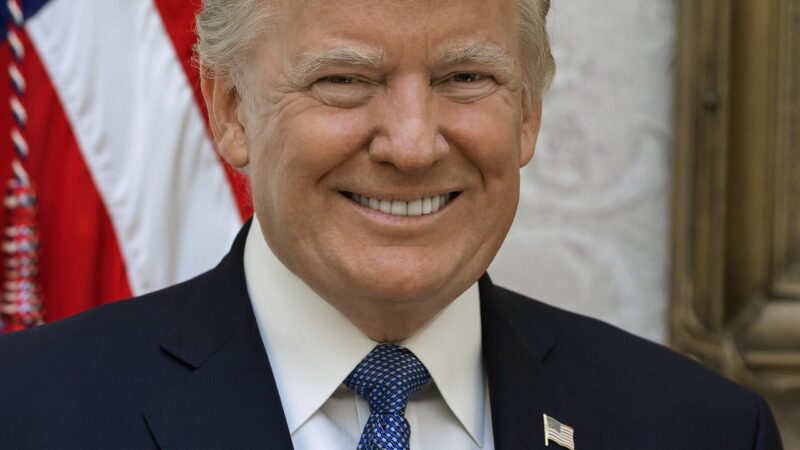
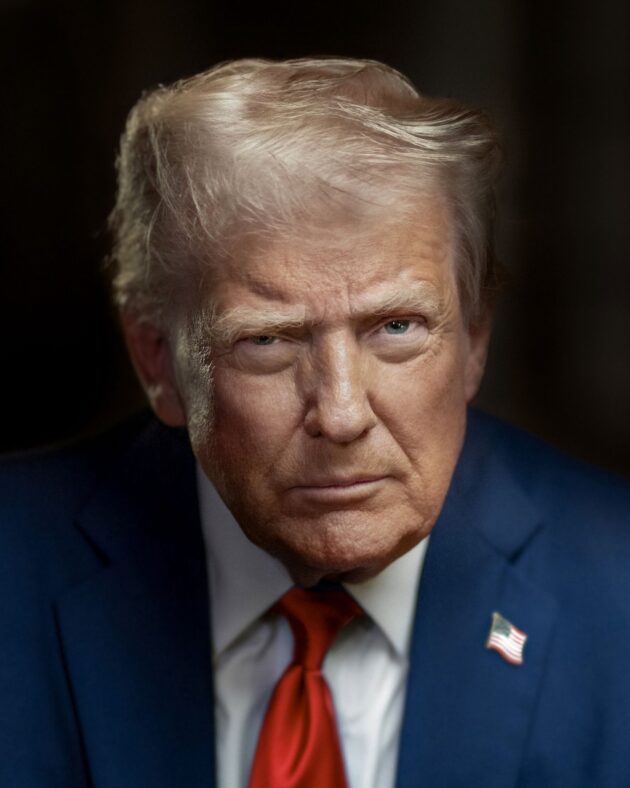
President Donald Trump recently declared that the United States is experiencing the “best poverty numbers ever,” highlighting economic gains during his administration. However, numerous economists and analysts have challenged this statement, pointing to data that suggests persistent poverty issues and widening inequality despite some gains. This debate comes amid ongoing national discussions about economic policy and social welfare as the country approaches the final year of Trump’s second presidential term.
Trump’s Poverty Claims and Administration Highlights
During a speech on September 25, 2026, President Trump asserted that the nation’s poverty rate is at historic lows, crediting his economic policies, including tax cuts and deregulation, for lifting millions out of poverty. The White House released statistics showing a reported poverty rate of 10.1% in the first half of 2026, a figure the administration claims is the lowest in U.S. history. Trump emphasized job creation, wage growth, and expanded opportunity zones as key factors behind these numbers.
White House officials also pointed to strong stock market performance and record-low unemployment rates as indicators of broad-based economic health that should correlate with reduced poverty levels. The administration’s messaging frames these statistics as proof that their approach to economic growth benefits all Americans, particularly those in historically underserved communities.
Economists Question the Accuracy and Context of Poverty Data
Leading economists from top universities and think tanks have pushed back against the administration’s interpretation, arguing that the poverty data is more nuanced and less positive than portrayed. Dr. Linda Carver, an economist at Duke University, explains that while official poverty rates appear to have decreased, the measurements do not fully account for factors such as rising costs of housing, healthcare, and inflation, which disproportionately impact low-income families.
Additionally, some experts highlight that the official poverty measure may undercount those struggling just above the poverty line but still facing significant economic hardship. Supplemental poverty measures, which factor in government assistance and regional cost differences, suggest that the true extent of economic distress remains high, with millions still lacking access to adequate resources and services.
“The headline poverty rate doesn’t capture the full reality of economic insecurity,” said Carver. “Many families are one paycheck away from crisis, and the widening wealth gap means that gains are not evenly distributed.”
Impact on North Carolina and Local Communities
In regions like Wayne and Duplin counties, local officials report mixed experiences that reflect the national debate. While some sectors, such as manufacturing and agriculture, have seen job growth, many families continue to face poverty-related challenges such as food insecurity and limited access to healthcare.
Mount Olive city council member Teresa Jenkins notes that despite federal claims, many residents in the area have not seen meaningful improvements in their living standards. “We’re seeing pockets of progress, but poverty remains a stubborn issue here,” Jenkins said. “Affordable housing and wage stagnation are still major concerns.”
Local non-profits report increased demand for food aid and assistance programs, indicating persistent economic strain even as unemployment numbers suggest improvement. These contradictions highlight the difficulty of translating broad federal statistics into lived community realities.
Broader Economic Trends and Political Implications
The debate over poverty numbers also plays into broader political narratives as President Trump and Republicans prepare for the 2026 midterm elections. Supporters argue that the administration’s economic policies have delivered historic prosperity, while critics contend that economic growth has disproportionately benefited the wealthy.
Economic inequality, wage stagnation for the middle class, and the rising cost of living remain key issues for voters, particularly in swing districts and rural areas. Analysts suggest that how the public perceives these poverty statistics could influence voting behavior and policy debates going forward.
Policy experts recommend a more comprehensive approach to measuring poverty and economic well-being that includes cost of living adjustments and access to essential services. Such measures could provide a clearer picture of who is truly benefiting from the current economy.
As the nation balances optimism with realism, the conversation around poverty rates in 2026 underscores the complexity of economic progress and the ongoing challenge of ensuring prosperity reaches all Americans.