Senate Passes Major Overhaul of College Sports Rules to Streamline Governance
The Senate has approved a comprehensive reform of college sports rules aimed at improving governance and athlete protections nationwide.
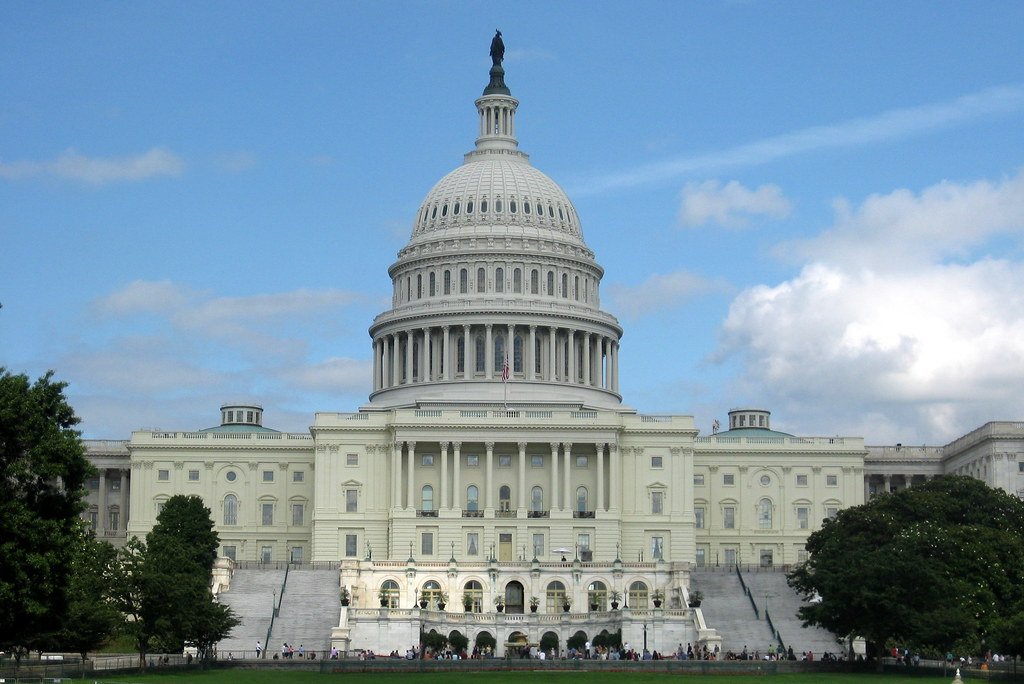
wallyg/Flickr
The U.S. Senate approved a sweeping overhaul of college sports regulations on September 28, 2026, aiming to bring clarity and order to a system long criticized for its complexity and inconsistency. The bipartisan legislation, hailed by advocates as a landmark step forward, seeks to standardize athlete compensation rules, strengthen academic requirements, and reform governance structures across collegiate athletics nationwide.
Key Provisions of the New College Sports Reform
The newly passed bill introduces several significant changes to the governance and operation of college sports programs. Among the highlights are:
- Establishing a national collegiate sports regulatory body to unify oversight, replacing the patchwork system dominated by the NCAA and conference-specific rules.
- Standardizing Name, Image, and Likeness (NIL) compensation policies to ensure fair and transparent athlete earnings across all states.
- Introducing stricter academic eligibility standards to emphasize student-athlete education and graduation rates.
- Enhancing health and safety protocols, including expanded concussion management and mental health services.
- Mandating greater financial transparency from athletic departments to prevent misuse of funds.
Senators from both parties emphasized the need for these reforms to protect student-athletes and restore public trust in college sports.
Bipartisan Support and Political Context
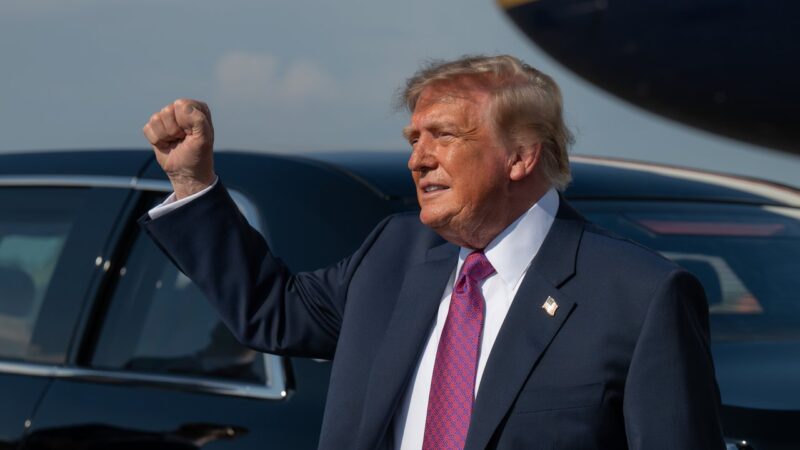
The legislation received strong bipartisan backing, reflecting growing concern in Congress over the fractured and often controversial landscape of college athletics. President Donald Trump, now in his second term, issued a statement praising the Senate’s action as “a crucial step to bring order and fairness to one of America’s most beloved institutions.”
Republicans and Democrats alike pointed to high-profile scandals involving recruitment violations and athlete exploitation as catalysts for the reform. Senate Majority Leader John Thune called the bill “a long overdue effort to put student-athletes first and ensure accountability at every level.”
With Republicans controlling the White House, Senate, and House, the bill is expected to pass the House with minimal resistance and be signed into law shortly.
Impact on Athletes and Collegiate Programs
Student-athletes and university officials have expressed cautious optimism about the reform’s potential benefits. The standardized NIL rules, in particular, are expected to eliminate disparities that have caused confusion and legal battles among schools and athletes.
“For years, we’ve seen a patchwork of different rules that left athletes and programs struggling to comply,” said a spokesperson for the National College Athletes Association. “This legislation is a game-changer that should help athletes focus more on their sport and education, rather than navigating complicated regulations.”
Universities will need to adjust administrative practices to meet new transparency and compliance requirements, but many athletic directors welcome the clearer framework. Some smaller programs hope the reforms will level the playing field, reducing the competitive advantage of larger schools with more resources.
Next Steps and Implementation Timeline
Following final approval by the House, the bill will move quickly to President Trump’s desk for signature. The law includes phased implementation, giving schools and governing bodies up to two years to comply fully with the new standards.
Federal agencies are expected to collaborate with existing collegiate sports organizations to establish the new national regulatory body. Public engagement and education campaigns are planned to ensure athletes, coaches, and administrators understand the changes.
Experts caution that while the overhaul addresses many longstanding issues, challenges will remain in balancing commercial interests with athlete welfare and academic integrity.
Ultimately, this legislative milestone marks a significant transformation in college sports governance, aiming to bring order to what many have called a chaotic and inconsistent system.
As the reforms take effect, stakeholders across the country will be watching closely to see how these changes reshape the future of collegiate athletics.