Trump Confronts Defense Secretary Hegseth at Camp David Over Iran Missile Shortages
President Trump clashed with Defense Secretary Hegseth at Camp David over critical missile shortages impacting U.S. military options against Iran.
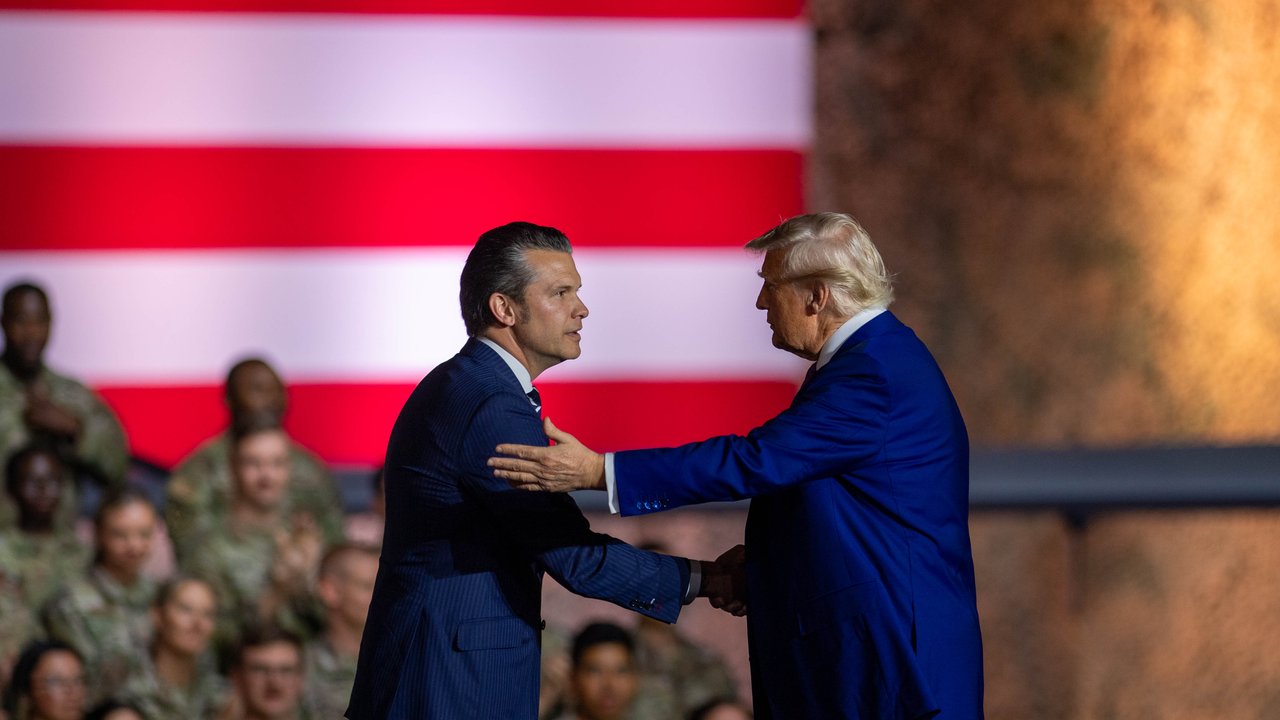
U.S. Air Force photo by Master Sgt. J.D. Strong II/Wikimedia Commons
President Donald Trump confronted Defense Secretary Pete Hegseth at Camp David last week over alarming shortages of critical munitions that are limiting U.S. military options against Iran, sources familiar with the exchange revealed. The tense discussion unfolded during a Cabinet meeting on Friday, highlighting mounting frustrations over the depletion of key missile stockpiles amid ongoing conflict in the Middle East.
Missile Shortages Undermine Military Strategy Against Iran
The United States faces severe shortages in long-range guided missiles and air-defense interceptors, which have significantly affected strategic decisions on additional large-scale strikes against Iran. Sources say these depleted munitions inventories contributed to President Trump’s recent decision to pull back from what he described as the “biggest attack since World War II,” a plan he later paused amid reports of potential new negotiations over the Strait of Hormuz.
In the initial month of the conflict, U.S. forces expended more than 850 Tomahawk cruise missiles, over 1,000 Patriot and THAAD air defense interceptors, and roughly 1,300 tactical ballistic missiles (ATACMs). The ATACM supply, also in high demand by Ukraine, is effectively exhausted, leaving limited options for replenishment in the near term due to long manufacturing lead times that can extend up to two years.
Camp David Showdown: Trump Demands Accountability
During the meeting, President Trump expressed sharp frustration with Secretary Hegseth, accusing him of being misled about the severity of the munitions shortage. According to insiders, Hegseth defended his handling of the issue but placed some blame on his deputy, Stephen Feinberg, for failing to keep the President fully informed. This confrontation underscored rising tensions between Trump and his defense chief, who was an early proponent of military action against Iran, assuring a swift victory that has yet to materialize.
White House Press Secretary Karoline Leavitt later dismissed reports of discord, stating, “This is 100% fake news. Literally never happened. And President Trump has the utmost confidence in Secretary Hegseth.” Meanwhile, Pentagon spokesman Sean Parnell refuted claims that Hegseth misled the administration or blamed others for the shortages, calling such reports “fictional.”
Wider Implications for U.S. and Allied Defense Capabilities
The depletion of missile stockpiles in the Iran conflict has ripple effects beyond the Middle East. Ukraine, heavily reliant on Western air defense systems to counter Russian long-range attacks, is facing a critical shortage of interceptors as well. Western stockpiles are strained, creating challenges for replenishment and forcing adjustments in how the U.S. employs its remaining defensive munitions.
Officials report that the scarcity of interceptor missiles has led to a more selective approach in responding to incoming threats, prioritizing targets based on strategic importance rather than engaging every threat automatically. These tactical changes reflect the broader impact of the ongoing munitions crisis on U.S. military operations globally.
Conflict Stalemate and Regional Concerns Persist
More than five months into the conflict, the war between the U.S. and Iran remains at a stalemate, with 18 American service members killed and hundreds wounded. The prolonged fighting has raised alarm among Arab neighbors about the economic fallout and the closure of the vital Strait of Hormuz, a key global oil transit route. Despite announcements of new production deals for critical munitions like Patriot missiles, immediate relief is unlikely due to production timelines.
The confrontation at Camp David exemplifies the high stakes and internal pressures facing U.S. leadership as they navigate a protracted conflict with Iran amid diminishing resources and mounting geopolitical risks.