JD Vance’s Anti-Fraud Pledge Backfires Amid Questions on Trump’s Record
Vice President JD Vance vows to crack down on financial fraud, but critics ask why Trump’s own past isn’t under scrutiny.
Emily J. Higgins/Wikimedia Commons
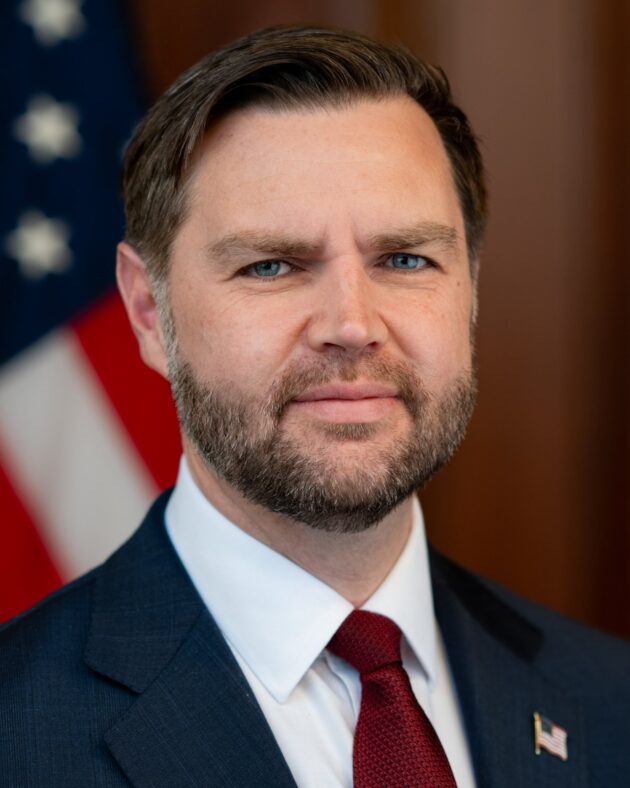
Vice President JD Vance’s recent promise to pursue financial fraudsters has drawn widespread attention — but not for the reasons he intended. Speaking on national television this week, Vance vowed to lock up anyone stealing public money, regardless of their background or status. However, his remarks quickly sparked criticism as many questioned whether that crackdown would extend to President Donald Trump, who has a well-documented history of financial scandals and pardons for convicted fraudsters.
Vance’s Strong Words Against Fraud
During a Fox News appearance on August 4, 2026, Vice President JD Vance delivered a stern message to those committing financial crimes against the American people. “I don’t care where you came from. I don’t care what your name is,” Vance told host Laura Ingraham. “If you are committing fraud against the American people, all of us in public leadership should be trying to stop it and try to throw you in prison for enriching yourself off of the American taxpayer.”
The vice president’s comments were widely reported and initially met with approval from those frustrated by ongoing financial corruption. Vance’s pledge suggested a renewed commitment from the administration to target fraudsters and restore integrity to public finances.
Critics Point to Trump’s Pardons and Legal History
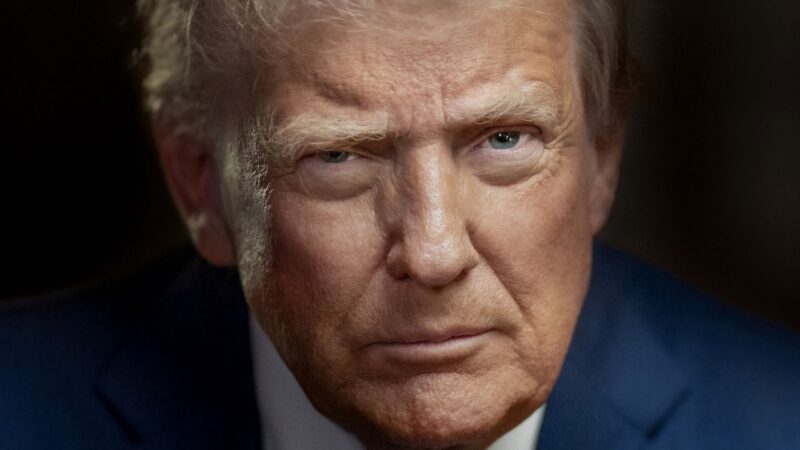
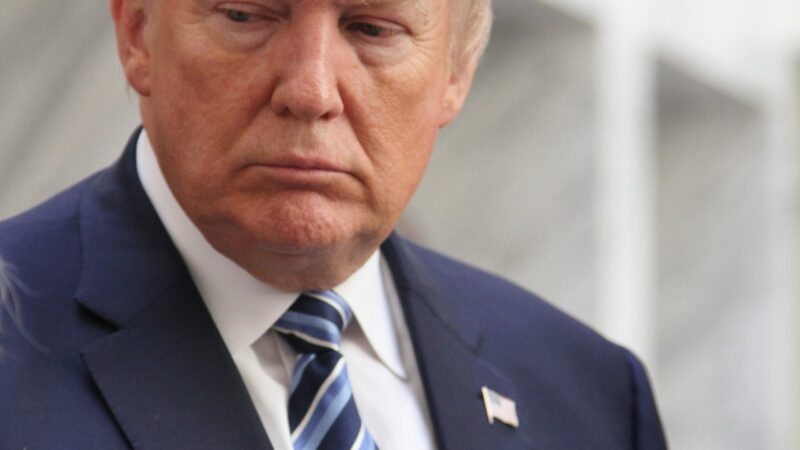
Despite Vance’s tough talk, critics were quick to highlight a glaring inconsistency: the president himself. Since returning to office, President Donald Trump has granted pardons to numerous individuals convicted of financial crimes, including money laundering and fraud. This reality has led many observers to question how aggressively Vance’s promise will be applied within the White House.
Trump’s own legal troubles have continued to attract scrutiny. In 2026, courts reaffirmed rulings involving fraudulent business practices tied to Trump’s companies. His organization was found guilty of tax fraud in a landmark case, and previous settlements include a $25 million payout related to Trump University fraud allegations. Additionally, Trump admitted in 2019 to misusing charitable funds, resulting in a $2 million settlement with multiple charities.
Ongoing Financial Controversies Surround Trump
Beyond legal convictions and settlements, Trump’s financial dealings have raised eyebrows in recent years. Reports indicate he profited over $1 billion from cryptocurrency investments while many individual investors suffered losses. Furthermore, Trump purchased shares in companies shortly before the administration announced policies benefiting those firms, raising questions about potential conflicts of interest.
Media outlets have not shied away from highlighting these concerns. Last month, The Wall Street Journal’s editorial board accused Trump and his family of “profiting off the presidency in ways that demean the office,” underscoring the persistent allegations of financial self-enrichment tied to his time in government.
Public Skepticism Grows Over Vance’s Promise
The disconnect between Vance’s pledge and Trump’s record has fueled skepticism among political analysts and the public alike. Many wonder whether the vice president will truly pursue an aggressive crackdown on fraud if it means scrutinizing the president and his associates. Critics argue that without addressing the administration’s own history, such promises risk being seen as political theater rather than genuine reform.
As the administration moves forward, the question remains whether Vance’s tough stance will translate into action that applies equally to all, or if political realities will limit the scope of enforcement.
JD Vance’s promise to hunt down financial fraudsters has set a high bar for accountability, but the shadow of President Trump’s financial controversies threatens to overshadow those efforts. The coming months will test whether the administration can convincingly separate rhetoric from reality when it comes to fighting fraud at the highest levels of power.