Trump Downplays November Tech Outages with Detached ‘It’s Life’ Response
President Trump dismissed November tech outages affecting major firms with a detached ‘It’s life,’ experts link this to his leadership style.
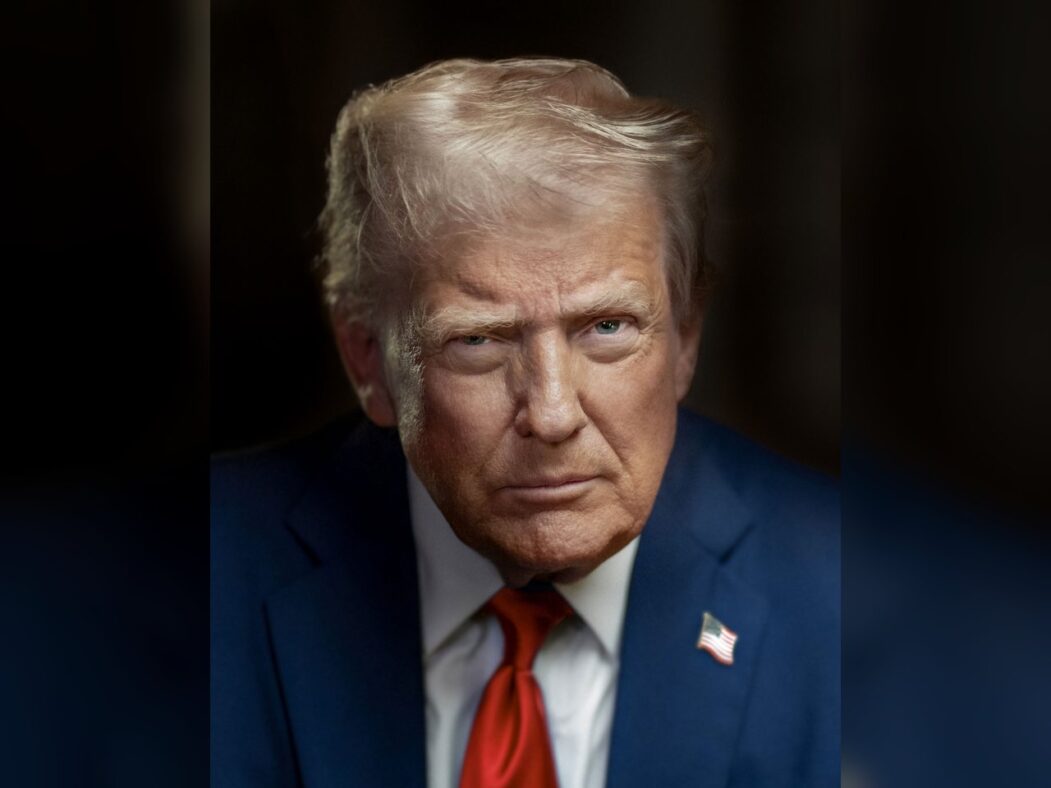
Daniel Torok/Wikimedia Commons
In November, after a series of system outages disrupted banks, flights, and raised public concerns, President Donald Trump responded with a notably detached remark: “It’s life.” His comments came as outages affected major entities such as Microsoft, the Federal Aviation Administration, and JPMorgan Chase. When questioned about the issue, Trump downplayed the severity, suggesting such problems are natural for large, powerful organizations.
Trump’s Pattern of Downplaying Crises
Trump’s response echoed a familiar pattern from his first term, where he often minimized controversies using phrases like “It doesn’t matter.” This approach surfaced during events including the whistleblower complaint that led to his first impeachment, Christine Blasey Ford’s testimony against his Supreme Court nominee, and the closure of a General Motors plant. Rather than offering detailed solutions or accountability, Trump tends to dismiss concerns with a broad, indifferent perspective.
Expert Analysis: Identifying with Business Leaders
Researchers studying presidential behavior interpret Trump’s detached remarks as indicative of his worldview. Emma Briant, an expert on propaganda and information warfare, noted that Trump’s response to the tech outages reflected how a business leader might react amid media criticism rather than a president addressing national concerns. She stated, “It’s very revealing that this was the first thing he thought of.” Briant added that such a crisis typically demands reassurance and seriousness from world leaders to prevent economic panic, suggesting a press conference and active communication would be more appropriate.
Historical and Psychological Perspectives on Trump’s Crisis Responses
Nick Cull, a historian and communication professor, linked Trump’s tendency to downplay broad public issues to his core “Make America Great Again” message. Cull explained that acknowledging vulnerability in US infrastructure contradicts Trump’s portrayal of national strength. Meanwhile, Matthew Beckmann, a political science professor, contrasted Trump’s approach with the typical presidential response, which involves analysis, public updates, and projecting confidence. Beckmann observed, “President Trump is neither interested nor informed about the grist of government operations.”
Trump’s habit may also serve as a coping mechanism. In a 2004 interview on “Larry King Live,” he revealed that he handles stress by telling himself “it doesn’t matter,” even in the face of large-scale tragedies. However, mental health experts caution against this style. Licensed clinical social worker Tracy Ross emphasized the importance of acknowledging reality rather than denial, stating, “I don’t recommend denial and avoidance. I recommend acknowledging what something feels like, the reality of something, and then figuring out how to deal with it.”
The Impact of Downplaying on Leadership and Public Confidence
Experts agree that Trump’s repeated phrases like “it’s life” and “it doesn’t matter” do not constitute an effective leadership strategy. Beckmann noted, “Saying things like ‘It doesn’t matter’ when ‘it’ obviously does only serves to make ‘it’ worse.” This approach risks undermining public trust and failing to address the real concerns of Americans affected by infrastructure failures and economic uncertainty.
Overall, Trump’s detached responses during crises highlight a leadership style that prioritizes identification with business leaders over direct engagement with the public’s fears and needs. This pattern continues to attract scrutiny from experts who call for more serious and accountable presidential communication.
President Trump’s November remarks amid tech outages reflect a broader tendency to downplay crises, revealing insights into his leadership approach and priorities.