Ken Paxton Highlights Chinese Land Deals Amid Donor Industry Ties
Texas AG Ken Paxton made Chinese land deals a key campaign issue, but many top donors have ties to the Chinese tech industry.
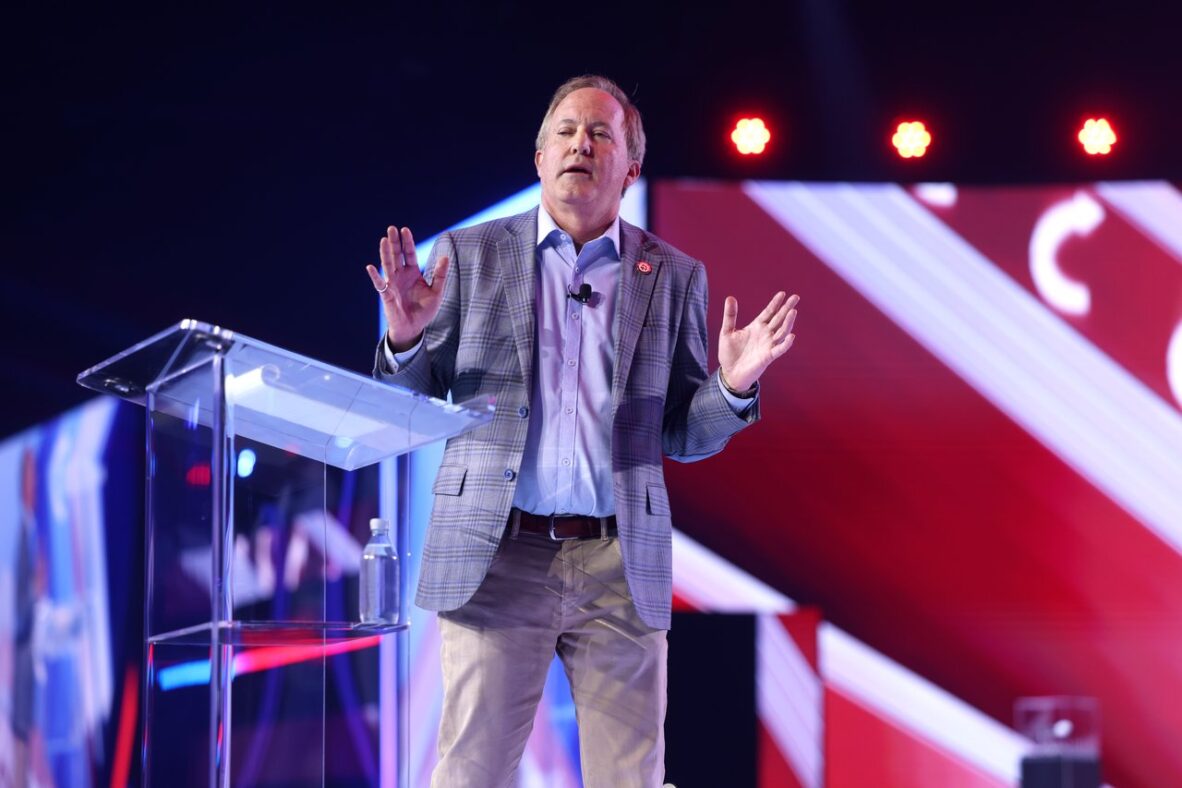
Gage Skidmore/Wikimedia Commons
Texas Attorney General Ken Paxton has made Chinese land acquisitions a central theme in his 2026 re-election campaign, accusing foreign interests of threatening U.S. national security. However, an exclusive Mount Olive Chronicle investigation reveals that several of Paxton’s major campaign donors maintain substantial business connections to the Chinese technology and land sectors, raising questions about the consistency of his public stance.
Paxton’s Campaign Focuses on Chinese Land Deals
Throughout 2026, Paxton has repeatedly highlighted Chinese investments in American real estate, particularly agricultural land, as a threat to Texas and national security. At rallies and in campaign ads, he has criticized what he describes as “foreign encroachment” and vowed to crack down on Chinese entities allegedly buying up critical land near military bases and infrastructure. Paxton’s messaging is in line with the broader Republican emphasis on countering China’s economic influence, a key point for many voters in Texas and beyond.
His campaign has also promoted legislation aimed at increasing transparency and restrictions on foreign ownership of land in Texas. These moves have garnered attention from conservative media outlets and helped Paxton solidify his image as a hardline defender against Chinese influence.
Donor Ties to Chinese Tech and Land Industries
Despite Paxton’s rhetoric, a review of campaign finance records and corporate disclosures shows that some of his top contributors have significant business dealings with Chinese firms or operate in industries closely linked to China’s land acquisition strategies. Contributors include venture capitalists investing in Chinese agricultural technology startups, real estate developers with partnerships in China, and executives involved in joint ventures with Chinese companies.
One notable donor, identified as a major funder of Paxton’s campaign, is linked to a private equity firm that owns stakes in Chinese agritech companies focused on land management and resource optimization. Another donor’s company reportedly collaborates with Chinese state-owned enterprises on infrastructure projects, including land development initiatives. These connections have drawn scrutiny from political analysts who question how Paxton reconciles these ties with his public warnings.
Political and Ethical Implications
Experts in political ethics note that such donor relationships are not unusual but can create perceptions of conflict, particularly when campaign messaging targets the same sectors where donors have interests. “It raises concerns about whether policy positions are influenced by political expediency or donor relationships,” said Dr. Helen Markham, a political ethics professor at the University of North Carolina.
Paxton’s campaign team responded to inquiries by emphasizing that campaign contributions do not dictate his policy decisions. A spokesperson stated, “Attorney General Paxton remains committed to protecting Texas from foreign threats, regardless of any donor affiliations. Our focus is on transparency and safeguarding our state’s interests.” However, critics argue that the overlapping interests warrant greater disclosure and public scrutiny.
Broader Context in 2026 U.S.-China Relations
The issue of Chinese land acquisition has become a flashpoint in U.S. political discourse in 2026, especially with the Trump administration taking a firm stance on China. President Donald Trump’s second term has intensified efforts to counter Chinese economic influence, including tighter restrictions on foreign investments in critical sectors.
Paxton’s emphasis on Chinese land deals aligns with this national security narrative, appealing to voters concerned about China’s expanding global footprint. Yet, the discovery of donor ties complicates the narrative, reflecting the complex interdependence between U.S. and Chinese business interests even amid political tensions.
As the 2026 election cycle progresses, Texans and political observers alike will be watching how Paxton addresses these apparent contradictions. The balance between firm rhetoric and donor realities may prove pivotal in his campaign’s credibility and voter trust.