Trump Elevates Stephen Miller to Chief of Staff Amid Midterm Setback
President Trump names immigration hawk Stephen Miller chief of staff after midterm losses, signaling a combative, uncompromising approach.
U.S. Secretary of Defense/Wikimedia Commons
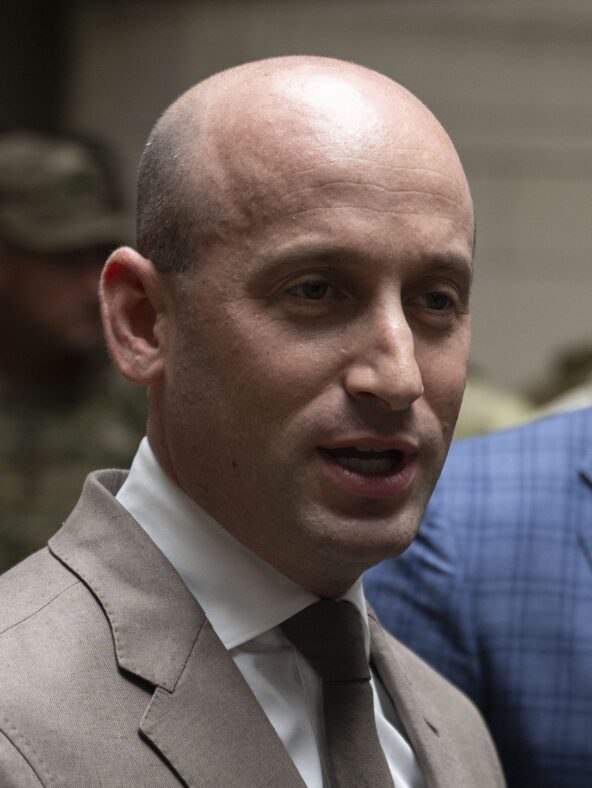
Days after suffering a decisive midterm defeat, President Donald Trump has appointed Stephen Miller, a key architect of his administration’s hardline immigration policies, as White House chief of staff. Known for his uncompromising stance on immigration and a fierce loyalty to Trump, Miller’s elevation marks a clear signal that the president intends to double down on controversial policies despite voter backlash.
Stephen Miller: The Face of Trump’s Immigration Agenda
Stephen Miller, 41, is widely recognized as an immigration hawk and a driving force behind Trump’s campaign for mass deportations and the push to end birthright citizenship. His role during Trump’s second term has been pivotal, especially as deputy chief of staff for policy, where he has helped shape a broad range of administration policies beyond immigration.
Miller’s aggressive immigration enforcement strategies have sparked significant controversy, including intense public backlash following federal immigration operations that resulted in two deaths in Minneapolis earlier this year. After the second shooting, Miller labeled the deceased, Alex Pretti, a “domestic terrorist,” a characterization that unraveled amid scrutiny. Despite this, Miller’s approach remains unyielding.
Political Context and Midterm Implications
The appointment comes in the wake of a midterm election in which Democrats won control of both the House and Senate in a sweeping victory. The election results reflected widespread dissatisfaction with Trump’s policies on immigration, the economy, and foreign affairs—areas where Miller’s influence has been substantial.
On election night, President Trump expressed a hope to collaborate with Democrats, specifically citing immigration as a potential bipartisan issue. However, Miller’s promotion suggests the administration may pursue a more combative stance, especially as Latino voters shifted heavily toward Democrats in the midterms.
Democrats have promised an aggressive oversight campaign targeting Trump administration officials, with numerous congressional hearings and subpoenas expected. Senate Minority Leader Chuck Schumer condemned Miller’s elevation, stating, “Stephen Miller is the architect of the most barbaric, inhumane policies of this administration. Trump couldn’t have made a worse choice.”
Foreign Policy and Military Posturing
Miller’s influence extends beyond immigration. He has been a key figure in Trump’s assertive foreign policy, including the military’s involvement in hemispheric affairs. He famously declared that “nobody’s going to fight the United States militarily over the future of Greenland” and championed the effort to remove Venezuelan leader Nicolás Maduro, saying the U.S. was “using its military to secure our interests unapologetically in our hemisphere.”
This hardline posture reflects Miller’s broader philosophy of unapologetic and muscular use of American power, signaling that Trump’s second term will continue to embrace aggressive tactics both domestically and abroad.
Miller’s Style and Relationship with Trump
Known for his fiery rhetoric and combative style, Miller rarely works with Democrats and frequently lashes out at opponents. Sources close to the administration note that his new role as chief of staff shows Trump is preparing for an intense political battle over the next two years.
Before polls closed on November 3, Miller posted on social media urging voters to “Send a message to the corrupt media, corrupt Democrats and corrupt leftwing politicians who want to steal your future and destroy the inheritance of your children. Get to the polls and protect the ones you love.” This combative tone aligns with the president’s praise of Miller as “very good politically” and a “great manager” during his departure from the White House on November 6.
Miller’s long association with Trump dates back to the 2016 campaign, where he served as a policy adviser and speechwriter. His wife, once a spokesperson for Elon Musk during Musk’s tenure at the Department of Government Efficiency, now hosts a podcast featuring administration officials.
President Trump’s choice of Miller to replace outgoing Chief of Staff Susie Wiles signals a shift toward a more confrontational and ideologically driven White House, even as the president faces a hostile Congress and record-low approval ratings.