Trump’s Russian Diesel Import Plan Falters as Tankers Divert Course
President Trump’s plan to import Russian diesel faces setbacks as tankers change course amid legal warnings and political opposition.
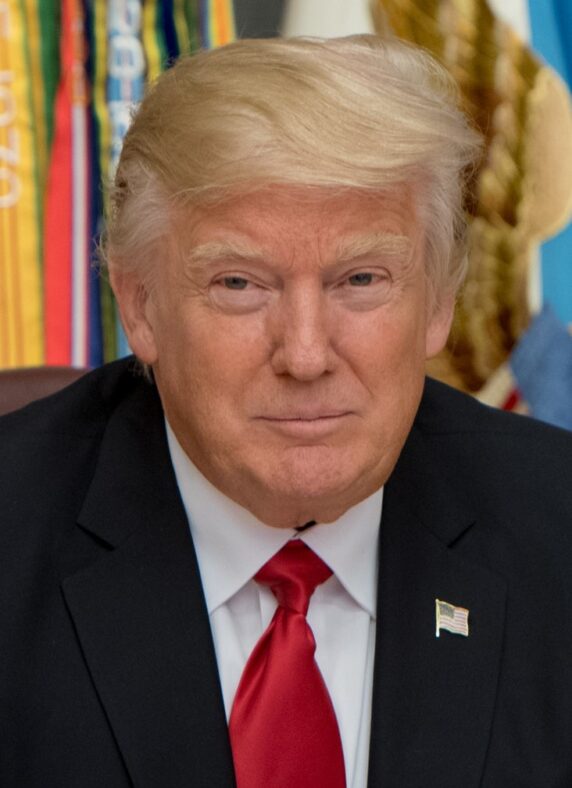
DOD photo by U.S. Air Force Staff Sgt. Jette Carr/Wikimedia Commons
President Donald Trump’s initiative to import Russian diesel into the United States has encountered significant obstacles this week, with two sanctioned tankers initially heading to US ports diverting to other destinations after state and federal officials warned of potential legal consequences. The unfolding situation raises questions about the viability of the October agreement with Russia amid bipartisan resistance and regulatory uncertainty.
Agreement Details and Initial Shipments
On 9 October, President Trump announced an agreement with Russian President Vladimir Putin to release over 300,000 metric tonnes of Russian diesel to US and global markets immediately, with plans for larger shipments thereafter. This marked a potential shift, as the US has banned Russian energy imports since the 2022 invasion of Ukraine. However, the arrangement has yet to result in a confirmed delivery to the US.
Two sanctioned tankers, the Russian-flagged Talisman and the Sierra Leone-flagged Leruo, departed the Baltic port of Primorsk last month with declared destinations on the US East Coast. By Thursday, marine tracking data from Kpler and MarineTraffic.com showed both vessels had altered course: one towards Brazil and the other to the Mediterranean. A third tanker currently in the North Atlantic changed its destination from New York to “for orders,” leaving its final unloading location uncertain.
Legal and Political Pushback
Despite the Treasury Department’s temporary authorization for Russian diesel transactions usually restricted under US sanctions, New Jersey Governor Mikie Sherrill instructed state port and terminal operators to reject ships carrying the fuel. In a letter dated Monday, she warned that “any effort to profit from the illegal trade in Russian fuel will be met with harsh penalties.” Sherrill argued that the Trump administration lacked authority to override a Congressional import ban enacted more than four years ago and pledged to use state powers to block handling of Russian fuel.
Adding to the resistance, a bipartisan group of senators urged President Trump to cancel the deal, asserting the US “should not provide Putin with a financial lifeline.” Lawmakers have cautioned major banks, port authorities, and fuel distributors about possible civil and criminal liabilities as well as congressional investigations if they facilitate the imports.
Administration’s Position and Industry Concerns
The Trump administration maintains that its authorization complies with all applicable laws. The Treasury Department stated on Thursday that its Office of Foreign Assets Control’s exemption for the sale, delivery, unloading, and importing of Russian diesel, valid until 7 April, is consistent with prior actions.
An unnamed Trump administration official told reporters that the shipments en route could ease diesel price pressures for Americans and align with the agreement between Putin and Trump, though the official did not confirm if any Russian fuel would reach the US directly.
Diesel prices have hit record highs amid the Iran war, impacting sectors like trucking and agriculture, which rely heavily on diesel for production and transport. President Trump has publicly blamed Ukrainian President Volodymyr Zelensky for diesel price spikes, criticizing Ukraine’s drone attacks on Russian refineries that have reduced diesel production.
Uncertainty Over Shipments and Market Impact
Marine analysts remain skeptical about the shipments reaching US buyers. Matt Smith, an analyst at Kpler, noted, “Because of regulatory, sanctions concerns, we may not see this cargo discharge on the US Atlantic coast.” He highlighted the hesitancy in bringing Russian diesel ashore due to legal and sanctions implications. The third tanker in the North Atlantic could also change course, adding to the uncertainty.
Kremlin spokesman Dmitry Peskov confirmed that details about commercial shipments are unavailable but stated that “all the diesel will find its buyers.” Meanwhile, Putin’s special envoy Kirill Dmitriev dismissed reports of tanker diversions as “Fake” and posted on X that tankers destined for the US “continue on course.”
With no disclosure from either the White House or the Kremlin about written agreements, pricing, payment terms, or involved companies, the future of Russian diesel imports to the US remains in flux as political and legal challenges mount.
The evolving situation underscores the complexity of balancing energy needs, international sanctions, and domestic regulatory authority amid ongoing geopolitical tensions.