Trump Faces Backlash for Political Remarks at Fallen Soldier Ceremony
Donald Trump draws sharp criticism after using a fallen soldier’s tribute to promote his agenda at a public rally.
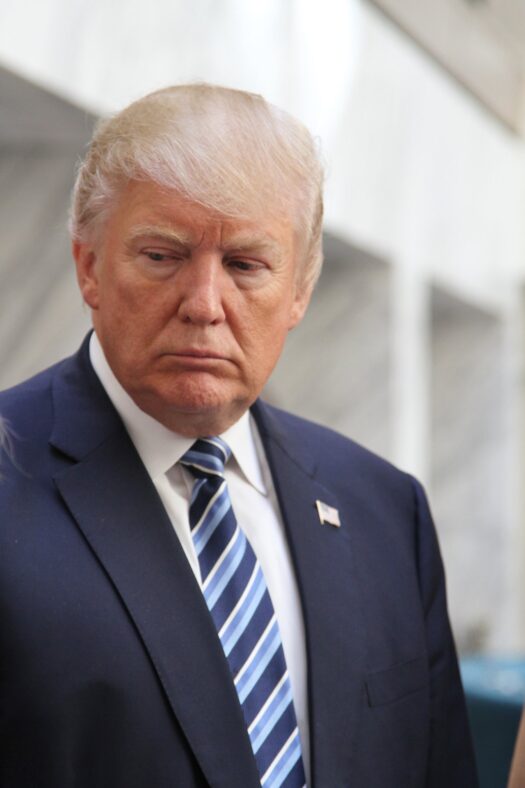
Gedalia Vera/Wikimedia Commons
President Donald Trump is facing intense criticism following his remarks at a dignified transfer ceremony for Army 1st Lt. Tyler James Feehan, who was killed in an Iranian missile strike on July 17, 2026. The event, held at Dover Air Force Base and later at a rally in Georgia, drew ire from Gold Star families and the public for what many called an inappropriate politicization of a solemn military tribute.
Details of the Ceremony and Trump’s Speech
On July 20, 2026, Trump attended the dignified transfer of 25-year-old Lt. Feehan’s remains alongside three other fallen soldiers at Dover Air Force Base. Feehan, from Hawaii, was among four U.S. service members killed when Iran launched a missile and drone attack on the Muwaffaq Salti Air Base in Jordan. The others included Pvt. Isabella Gonzales of Texas, Sgt. Angel S. Rampersad of New York, and Michael Emmanuel Swinton of North Carolina, who died during a controlled detonation of an Iranian drone in Iraq.
Following the ceremony, Trump flew Feehan’s family to a rally at Wheeler High School in Marietta, Georgia, where he paid tribute to the fallen soldier in front of his grieving parents and uncle. Trump described the ceremony as “the toughest thing I do” and said he would carry Feehan’s memory forever. However, it was his subsequent comments that sparked immediate controversy.
Controversial Remarks Spark Outrage
During the rally, Trump told the crowd, “He’s looking down right here, he’s so proud.” He then shifted focus to his administration’s achievements, stating, “Together we are making our country safer and stronger and far more successful than it has ever been before. That’s happening before your very eyes. That’s why I call it the golden age.” Critics argued this politicized the sacrifice of a fallen soldier and was deeply disrespectful to the family and the solemnity of the event.
Social media erupted with divided reactions. Some users condemned Trump’s remarks as disrespectful and accused him of exploiting the tragedy for political gain. Comments such as “He’s the reason that kid is dead” and “Disrespectful person, he’s the one that’s put lives in danger” were common. Conversely, a segment of supporters praised the tribute, calling it heartfelt and moving.
Gold Star Families Respond
The backlash has grown louder as Gold Star families from previous conflicts shared their dismay. One family member accused Trump of initiating the conflict that led to the deaths, saying, “He is the one who chose to throw them into this unnecessary conflict in the first place.” Others expressed frustration over the repeated use of dignified transfers for political theater, noting this was not the first instance of such behavior.
Feehan’s family released a statement after his death expressing their grief: “Our hearts are shattered. Tyler James Feehan, our son, our ‘Tivo,’ was taken from us far too soon, alongside other American heroes lost or wounded in this same tragic attack.” They have not publicly responded to Trump’s remarks.
Context of the Conflict and U.S. Military Losses
The July 17 attack marked a significant escalation in tensions between the United States and Iran. The strike on the Jordanian airbase killed multiple U.S. soldiers and heightened concerns about further destabilization in the Middle East. The deaths of Feehan, Gonzales, Rampersad, and Swinton have renewed discussions about the risks American service members face amid ongoing geopolitical conflicts.
Military and political analysts have noted the delicate balance required when honoring fallen soldiers, emphasizing that such moments should respect the families’ grief without becoming platforms for political messaging. The recent controversy underscores the challenges of navigating public mourning and political communication in a polarized environment.
As the debate continues, communities across North Carolina and beyond remain focused on honoring the sacrifices of those who serve, while grappling with the broader implications of the conflict and its human cost.