President Trump Announces End to Biden-Era Methane Emission Regulations
At a Texas rally, President Trump declared termination of Biden methane rules, promising $45bn savings and energy boosts.
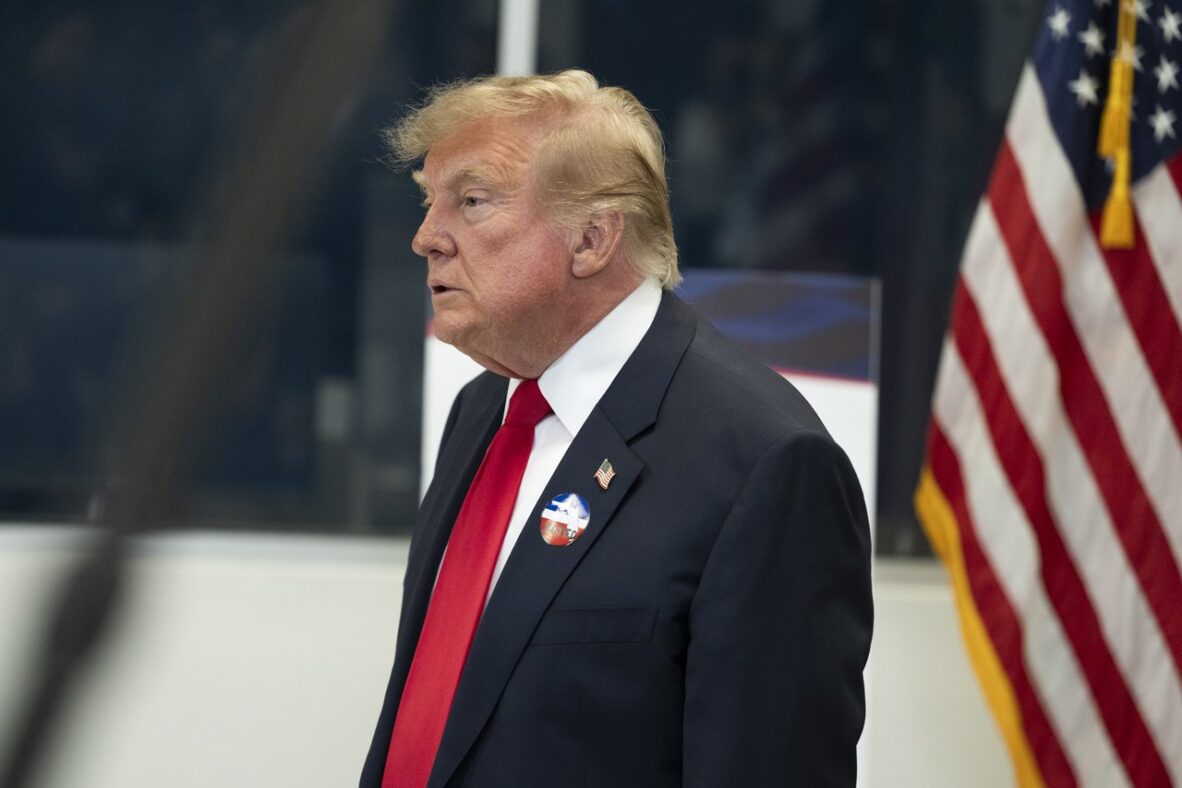
The White House/Wikimedia Commons
President Donald Trump announced Tuesday evening at a rally in Lubbock, Texas, that his administration is “terminating” methane emission regulations implemented during the Biden administration. The rules, aimed at curbing leaks from oil and gas operations, are being scrapped to reduce costs for consumers and energy producers, according to Trump.
Trump Cites Economic and Energy Gains
Speaking at the rally, President Trump described the Biden-era methane regulations as “expensive and unnecessary” and blamed them for causing prices to “skyrocket” for small oil and gas operators. He claimed the termination of these “crippling regulations” would save consumers and producers $45 billion and unlock 210 million barrels of oil, equating to roughly 10 days of U.S. petroleum consumption.
EPA Administrator Supports the Rollback
EPA Administrator Lee Zeldin issued a press release praising the move as a step to “end the war on oil and natural gas” by revising regulations under the Clean Air Act. The EPA projects the proposal will yield an additional 210 million barrels of oil and 1.41 trillion cubic feet of natural gas.
Criticism from Environmental Groups and Health Advocates
Environmental advocates condemned the proposal, warning of its harm to public health and the environment. Darin Schroeder, methane legal and regulatory director at Clean Air Task Force, called the EPA’s plan unlawful and urged the agency to rescind it and implement the 2024 methane rule without delay. The 2024 rule required oil and gas operators to cut methane leaks, flaring, and venting for the first time nationwide on existing facilities.
Harold Wimmer, president and CEO of the American Lung Association, emphasized the health risks of methane leaks, citing pollutants like volatile organic compounds and carcinogens such as benzene and formaldehyde. He warned that the rollback would allow polluting industries to avoid cleanup, damaging communities facing poorer air quality and climate impacts.
Industry Influence and Regulatory Reversals
The rollback aligns with oil and gas industry interests. At a rally earlier in Corpus Christi, Trump acknowledged Harold Hamm, founder of Continental Resources, which opposed some methane rule provisions including limits on routine flaring. Industry groups and corporations reportedly worked behind the scenes to weaken methane regulations, meeting with EPA officials at least 38 times during the current administration’s first year, according to records obtained by watchdog group Fieldnotes.
Julia Kane, a Fieldnotes researcher, criticized the EPA under Trump for granting oil and gas corporations extraordinary access and delaying strong regulations despite public claims of cooperation. Since March 2025, when the EPA announced it would no longer enforce methane rules, operators have leaked, vented, or flared $7 billion worth of natural gas.
Broader Environmental and Regulatory Context
The 2024 methane rule was the first to set nationwide limits on methane emissions from existing oil and gas facilities, following an earlier 2016 rule that applied only to new and modified sources. Methane contributes to at least a quarter of today’s global warming, and the U.S. led the world last year in methane emissions from oil and gas.
In March 2025, EPA Administrator Zeldin stated the agency was reconsidering Biden-Harris methane regulations to “ensure that they do not prevent America from unleashing energy dominance and continuing our trajectory as a leader in clean energy and emissions reductions.” Environmental Defense Fund senior director Rosalie Winn criticized the Trump administration for enabling polluting industries by curtailing federal climate efforts across major sectors.
The debate over methane regulation exemplifies ongoing tensions between energy production, environmental protection, and public health as the U.S. continues to navigate climate and energy policy challenges.