Trump Faces New Crisis as U.S. Oil Reserves Near Depletion Amid Middle East Conflict
As U.S. oil reserves dwindle amid escalating Middle East tensions, President Trump’s campaign faces mounting pressure over fuel shortages and war costs.

Daniel Torok/Wikimedia Commons
President Donald Trump’s aggressive stance against Iran in mid-2026 has encountered an unexpected obstacle: America’s rapidly diminishing oil reserves. As tensions escalate with Iran-backed Houthi forces targeting Saudi oil shipments in the Red Sea, the U.S. faces a critical shortage of fuel and funds to sustain its military campaign. This new energy squeeze threatens to destabilize global oil markets and complicate Trump’s efforts to pressure Tehran into reopening the Strait of Hormuz.
New Front Opens in Middle East Conflict
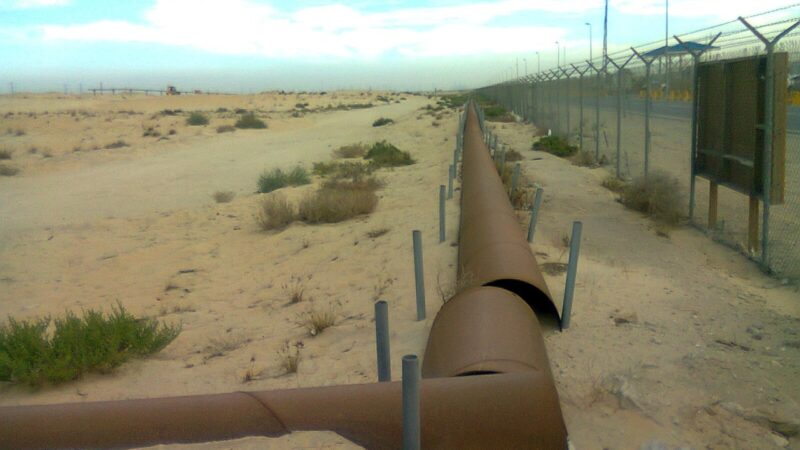
In July 2026, Houthi militants, proxies for Iran, struck two Saudi oil tankers in the strategically vital Red Sea, reinforcing their blockade of the Bab-el-Mandeb shipping lane. This move has forced Saudi Arabia to reroute nearly five million barrels of crude daily through a vulnerable pipeline system across the country’s eastern coast. The escalation adds a dangerous new dimension to the ongoing conflict centered around the Strait of Hormuz, a chokepoint long targeted by Iran.
Iran’s brigadier general Amir Mohammad Akraminia described the recent attacks as a new phase of warfare, signaling Tehran’s readiness to intensify strikes on Saudi infrastructure, including bridges and power plants, in retaliation for any tanker losses. This strategy threatens to disrupt global oil supplies and push crude prices dangerously close to the $100-per-barrel mark.
U.S. Strategic Petroleum Reserve Nears Historic Low
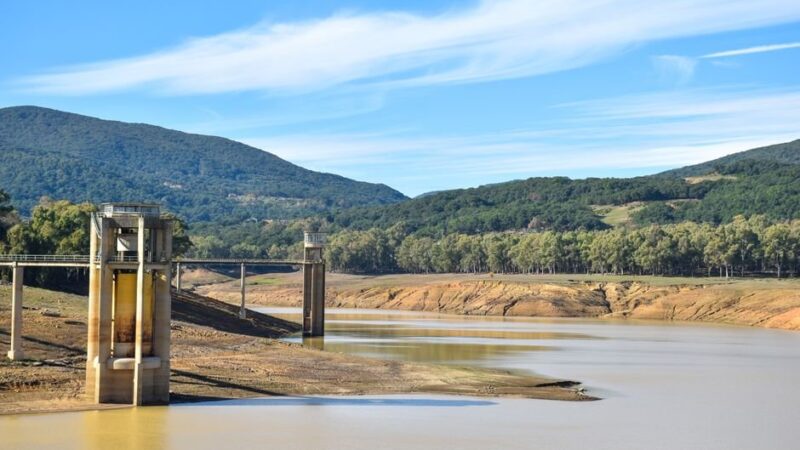
To counteract the tightening oil market, both China and the United States have been aggressively drawing down their strategic petroleum reserves. Since March 2026, the U.S. has released over 105 million barrels of oil, with approximately the same amount reportedly available before the reserve infrastructure risks irreversible damage. As of early July, the reserve holds roughly 319.5 million barrels—the lowest level since 1983.
This rapid depletion comes at a critical moment. With Brent crude prices climbing and supply routes under threat, the U.S. has limited options to stabilize the market. President Trump has publicly linked any potential diplomatic breakthrough with Iran to the reopening of the Strait of Hormuz, while simultaneously threatening harsher military responses to Iranian proxy attacks.
Military Costs and Munitions Shortages Compound Pressure
The conflict’s financial and material toll is mounting. The Pentagon has spent close to $38 billion on the war effort to date, yet continues to face “critical shortfalls” in funding and munitions. Defense Secretary Pete Hegseth’s recent $67 billion request for additional war funding met resistance in Congress, highlighting growing unease over the campaign’s cost and duration.
Despite dwindling resources, the U.S. has intensified its military presence in the region by deploying advanced F-16 and F-35 fighter jets and sending additional aerial refueling tankers to support operations in Israel and surrounding areas. However, air-defense munitions are being rapidly consumed responding to Iranian drone and missile attacks, with replacement timelines stretching into years.
Iran’s Endurance and the Risk of a Ground War
Iran itself faces severe economic strain and a depletion of drone and missile stocks, yet its leadership appears prepared to endure hardships rather than concede. With civilian life already suffering under international sanctions and limited domestic dissent, Tehran’s tolerance for prolonged conflict likely exceeds Washington’s.
Iranian commanders have openly expressed hope that the U.S. will escalate to ground operations, which could lead to heavier casualties and a prolonged war. Brigadier General Akraminia touted the potential effectiveness of such operations, suggesting Iranian forces are preparing for a sustained fight.
President Trump’s campaign to coerce Iran into negotiation hinges on maintaining military pressure without exhausting America’s limited fuel and financial resources. As the November mid-term elections approach, the stakes grow higher, with economic fallout from rising fuel prices threatening to undermine Republican prospects.
With dwindling oil reserves and mounting war costs, Trump faces a narrowing window to either de-escalate or double down on a conflict that risks spiraling beyond control. The world watches cautiously, hoping for a diplomatic resolution amid the fog of war.